
Why Must We Love What Ends?
קייטי הודג'
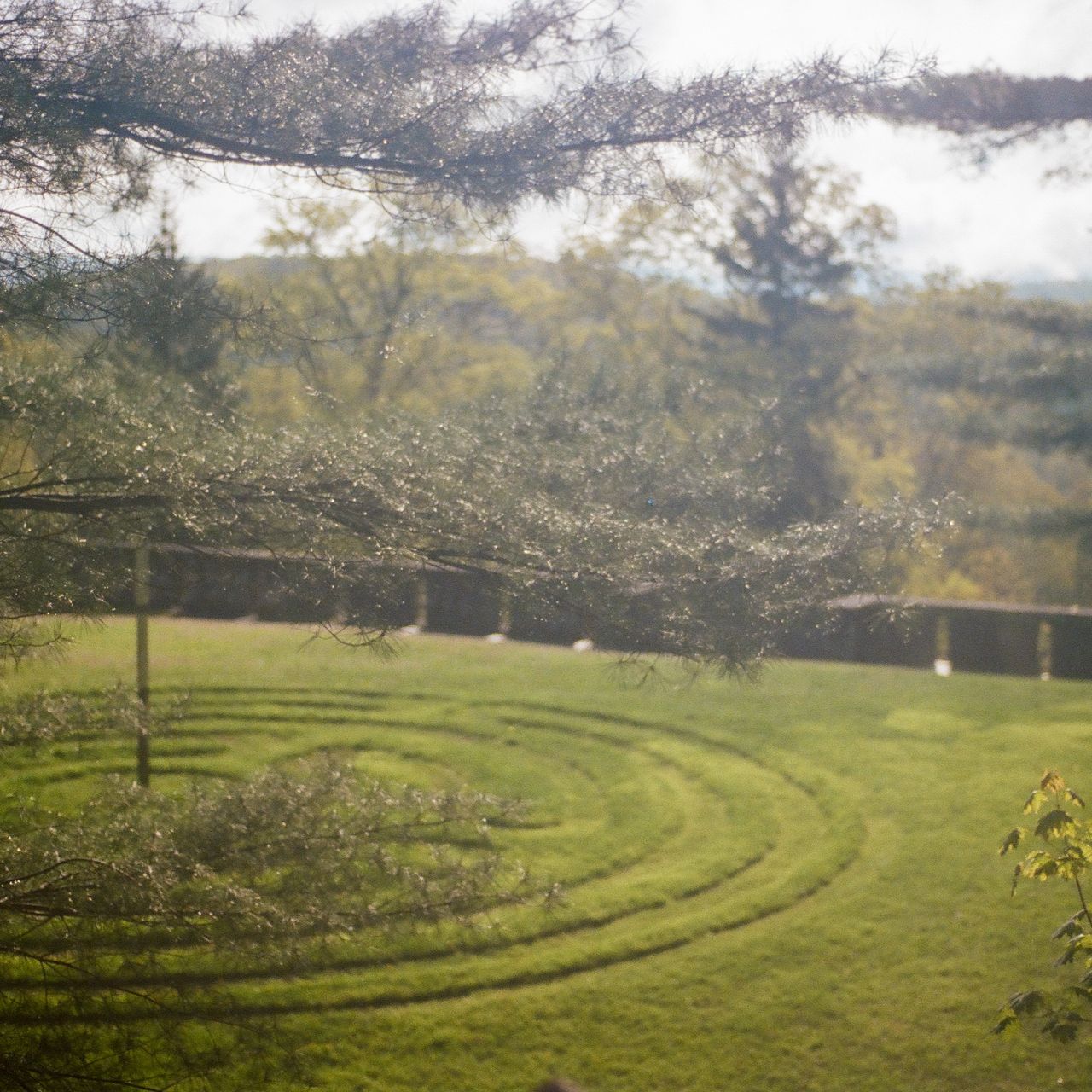
I am 10 years old, barefoot and grinning ear to ear as I shake loose the crawdad that has clamped itself onto my bleeding finger. I’ve caught dozens today, all snatched from the creek that runs through the woods behind my parent’s house. The trick is to come at them from behind, move slow as molasses then, fast as lightning, grip the little crustaceans between thumb and forefinger—just behind the forelegs where they can’t reach you with their claws. On a good day, we’ll catch more than a hundred.
There’s magic here in the foothills of the Blue Ridge Mountains. The summer days are endless, and the water teems with life: minnows dart beneath the surface and water striders skate across it; tree frogs and snakes sun themselves on the rocks. My siblings, friends, and I cool off in the swimming holes and skip stones on the flats. The creek has no official name on any map. Why would it need one? It’s the only creek in the world.
I dream up whole worlds in those woods. We build castles on the bank from branches and twine. Every well-shaped stick is a treasure, transformed in an instant into a sword and me into a warrior. Every tree fallen over the creek’s burbling waters becomes a bridge, and suddenly I am Robin Hood, throwing out witty quips as I spar with Little John; I am Aragorn, holding the bridge at Helm’s Deep against the orcish hordes. At day’s end, the lightning bugs descend like falling stars, and I walk among the roaming constellations until the dinner bell rings.
I was happy in that water, and brave, and full to the brim with life and love for the world.
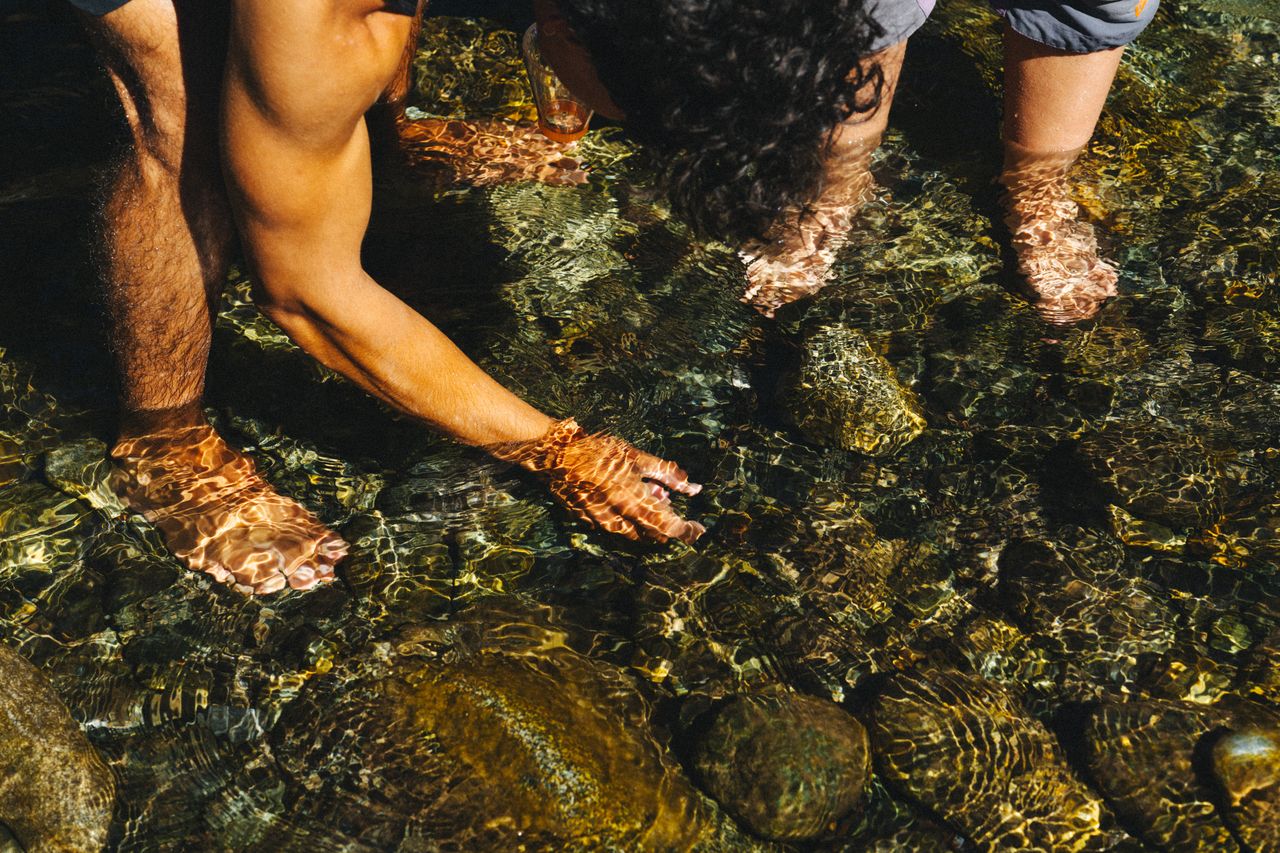
I am 37, barefoot on the banks of the Klamath River in Northern California. A different river, a different time and place. But the joy is familiar—that peculiar alive-ness that a river can cause to bubble up from deep in a soul.
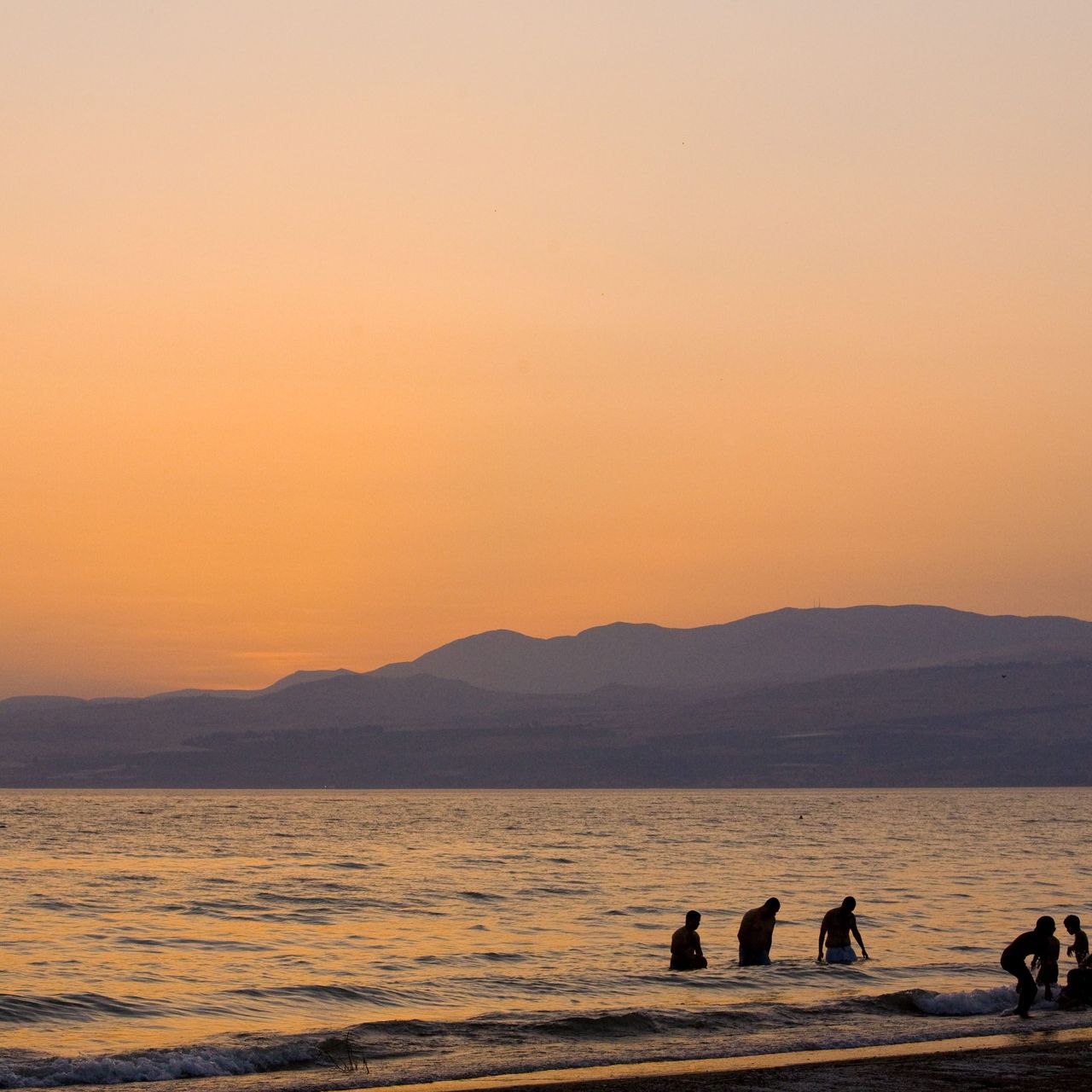
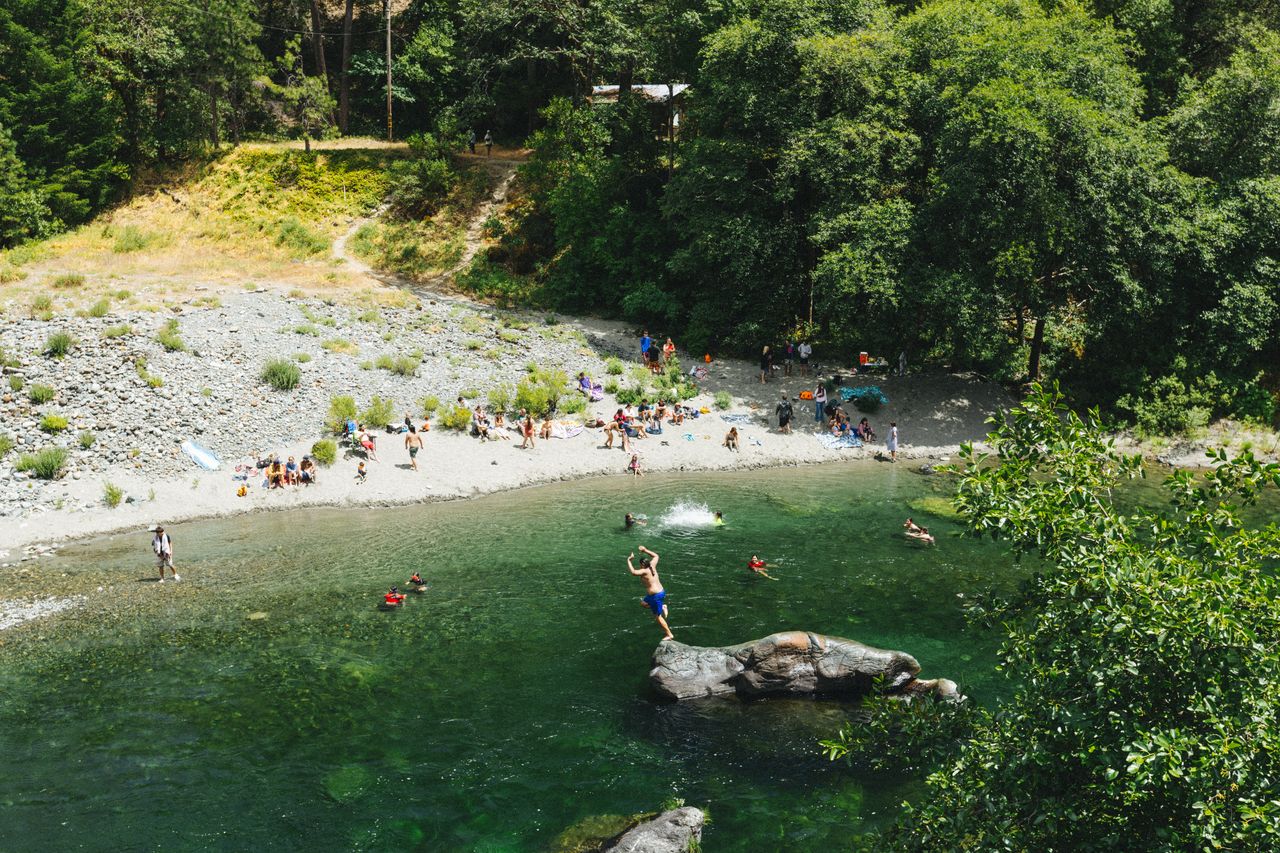
Indigenous kids from across the river basin are nearing the end of the two-week Paddle Tribal Waters leadership and whitewater kayaking program, and today is Community Day. It’s a break from the campers’ now-familiar rhythm of daily instruction in paddling skills, river ecology, and environmental advocacy. Their families are here for a picnic and to hear all about what their sons and daughters, siblings and grandchildren have learned. They swim out to Hippo Rock and clamber up its sides to leap into the water—a contest to make the biggest splash. They skip rocks and point out fish and swap stories on the sunny shore with their toes in the sand. Someone has brought a drum and percussion sticks, and they thump out a rhythm and sing the songs passed down by their people. This meandering bend of the river echoes with their delight, and voices and laughter bounce from the rippling surface to blur with birdsong and the music of the river’s motion—a hydrodynamic symphony.
It wasn’t always this way. The Klamath was dammed for generations—its waters stagnant and green with toxic algae blooms from Southern Oregon through Northern California and into the Pacific. The natural flow of sediments was disrupted, preventing the delivery of rich nutrients to downstream ecosystems. Salmon were cut off from their historical spawning grounds, decimating the population, and the local tribes were cut off from their traditional fisheries.
Author and environmental activist Wendell Berry once wrote, “There are no unsacred places; there are only sacred places and desecrated places.”
For more than a hundred years, the Klamath River Basin was a desecrated place. Moments like this one—where children play in clean, flowing water; where families eat plates of pasta salad and sing together on its banks—such things were impossible, for the water was poison; the river was sick.
The fight to remove the dams lasted decades, led by a coalition of environmental activists, fishermen, and leaders from the Yurok, Karuk, Hoopa Valley, and Klamath Tribes. The result was the largest dam removal in U.S. history. When the last dam came down in 2024, Paddle Tribal Waters led a cohort of students down the river for the first continuous descent from headwaters to sea in more than a century. More than a hundred paddlers joined for different legs of the journey. Many were indigenous folks, native to the Klamath River Basin, but others came from farther flung places: paddlers from Chile, Bolivia, and China. Each had their own home rivers, their own places they loved and sought to defend. The battle for the Klamath had been won, and it served as a beacon of hope, a defiant declaration that not only protection but restoration was possible.
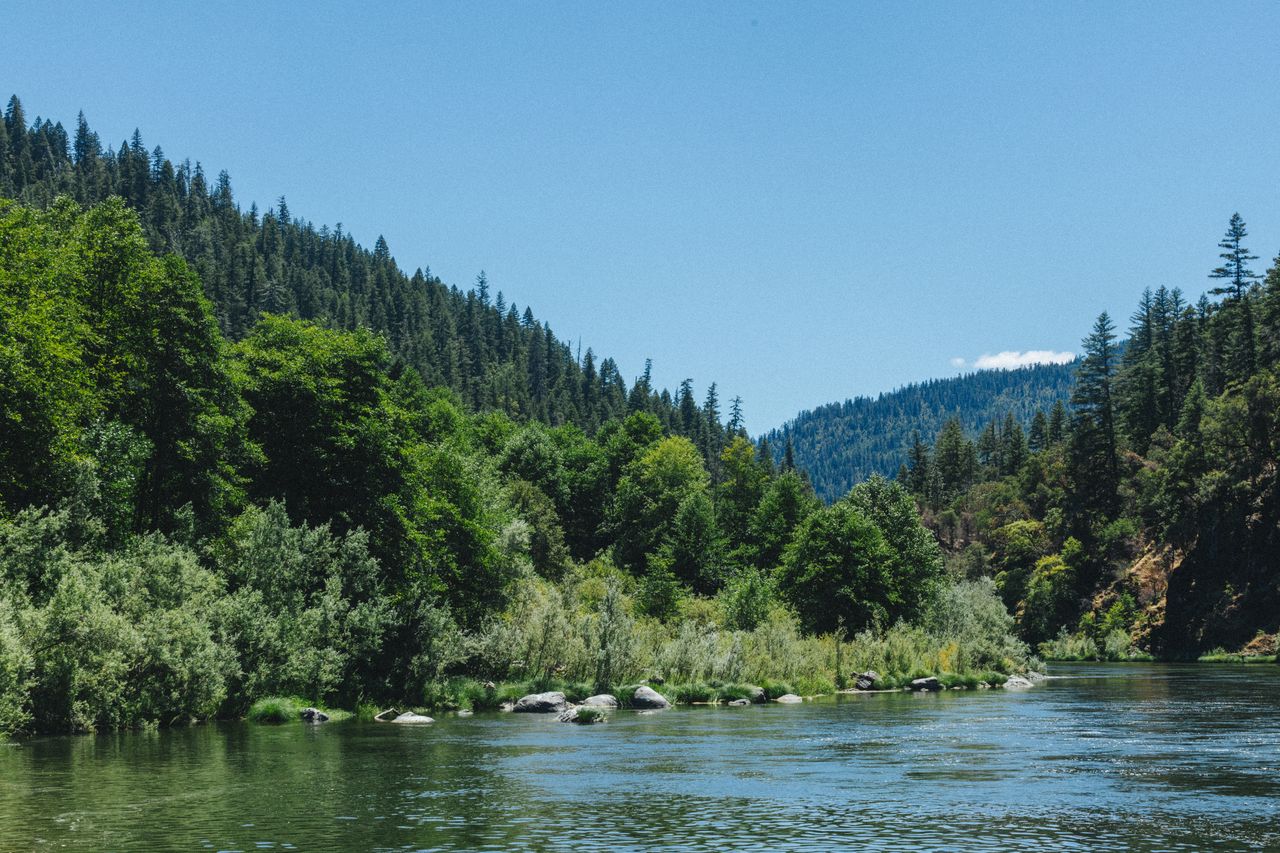
I am 24 years old, sitting in a kayak in a tributary of the Yei River in South Sudan. It is 2012, and it has been less than a year since the fledgling democracy declared its independence from the North, becoming the newest country in the world. For a year, I spend my days welding and writing and working side by side with water engineers, medical professionals, and teachers supporting the local leaders trying to piece together a land ripped apart by more than a century of war, resource exploitation, and intentional underdevelopment. They repair the broken wells and treat the sick and plant the crops and train the teachers. They cobble together the building blocks of a flourishing society, and all the while men in suits angle for power in the capital. There is oil under this rugged earth and money to be made, damn the consequences.
How do you restore a sacred place once it has been desecrated? How do you put back together the broken pieces of a shattered world when the shattering isn’t done and the powerful still hold the hammer?
I am young and idealistic and grappling with the weight of malaria and landmines and kleptocracy and the curse of oil. The river becomes my sanctuary. I come here once a week to paddle and pray among the reeds. The world is so very big and so very broken, and I am so very small. But I learn to be silent and to look closely, to see the tiny worlds hidden in the mundane details of a riverbank: a beetle as small as a speck of sand traversing the mossy bark of a tree; a brightly colored kingfisher swooping low over the water to snatch a dragonfly from the air. There is magic here, hope hid amidst the beauty.
I do not know it yet, but a few short months after I leave, South Sudan will once again collapse into civil war. Much that has been built will burn; what has been cultivated will crumble. Things will fall apart, as they so often do.
When I was a boy, barefoot and wild in that creek in Virginia, I imagined the fight of good versus evil was as straightforward as in the storybooks—that I could simply draw my sword and hold the bridge until reinforcements charged down the hill to turn the tide. But real stewardship in a broken world is not like that. It’s messy and grueling. And sometimes, despite our very best efforts, we look down and realize that the sword in our hands is just a stick, and there are no reinforcements coming to save us, and the bridge falls anyway.
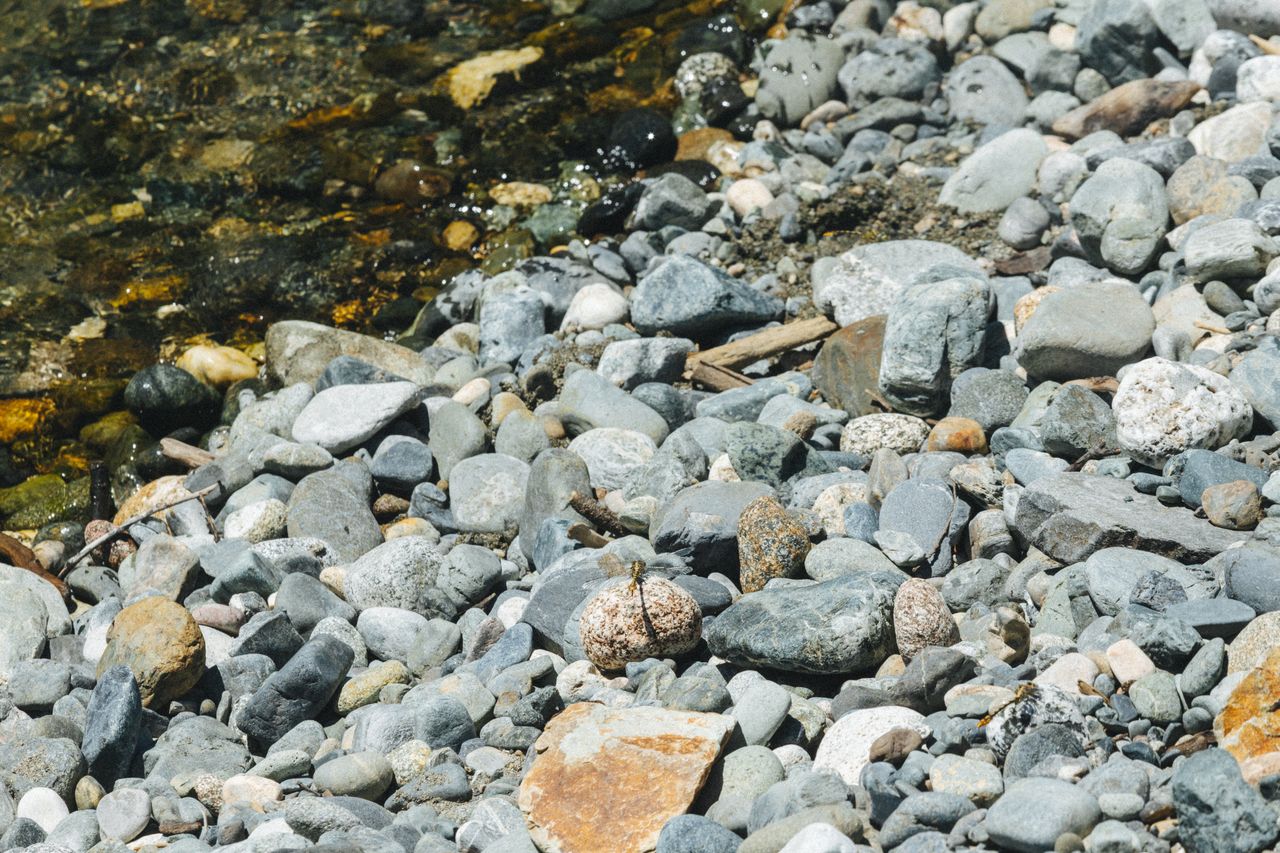
What comes first: love for the world, or rage at those who threaten its beauty? What is stronger?
So many of us have benefited from the natural world’s gifts: the joyful song of burbling river bends, the rugged grandeur of icy mountain peaks, the holy creaking of old growth forest—places where the veil grows thin between earth and heaven or faerie or someplace even stranger and more wonderful, where the walls between worlds have worn down like the knees on an old pair of jeans.
As I have grown older, I have realized just how fragile such places are, how easily the strongholds of holy quiet and awakened imagination can be broken. They can be snatched away in a moment, in the scribbling of a signature or the rumble of a drill.
The freeing of the Klamath is a victory for but one river. There are so many rivers being dammed, so many acres of forest burning each summer as the wildfires grow worse, so many mountains of trash poured into the sea, so many scraps of carbon filling the atmosphere and warming our world, so many glaciers ebbing away. The wild places are under siege, and we are wielding sticks as swords. Things will fall apart, as they so often do.
Even the wins are complicated, weighed down with an uncomfortable nuance.
Hydropower generates more than a quarter of global renewable energy today. It provides a steady solution for power generation at scale with dramatically lower CO2 emissions than coal or natural gas. Rivers hold enormous potential energy—the bigger and more powerful the better—and the value of the mightiest is calculated in megawatts and carbon offset analyses.
Damming the Klamaths of the world, so the argument goes, is and must be part of the solution. Sacrifices must be made for the “greater good.”
The story is the same with mining: green energy infrastructure requires an enormous amount of rare earth minerals. The realpolitik of global environmental survival demands that we dig up and poison the earth to save it from burning—a bitter, paradoxical tradeoff.
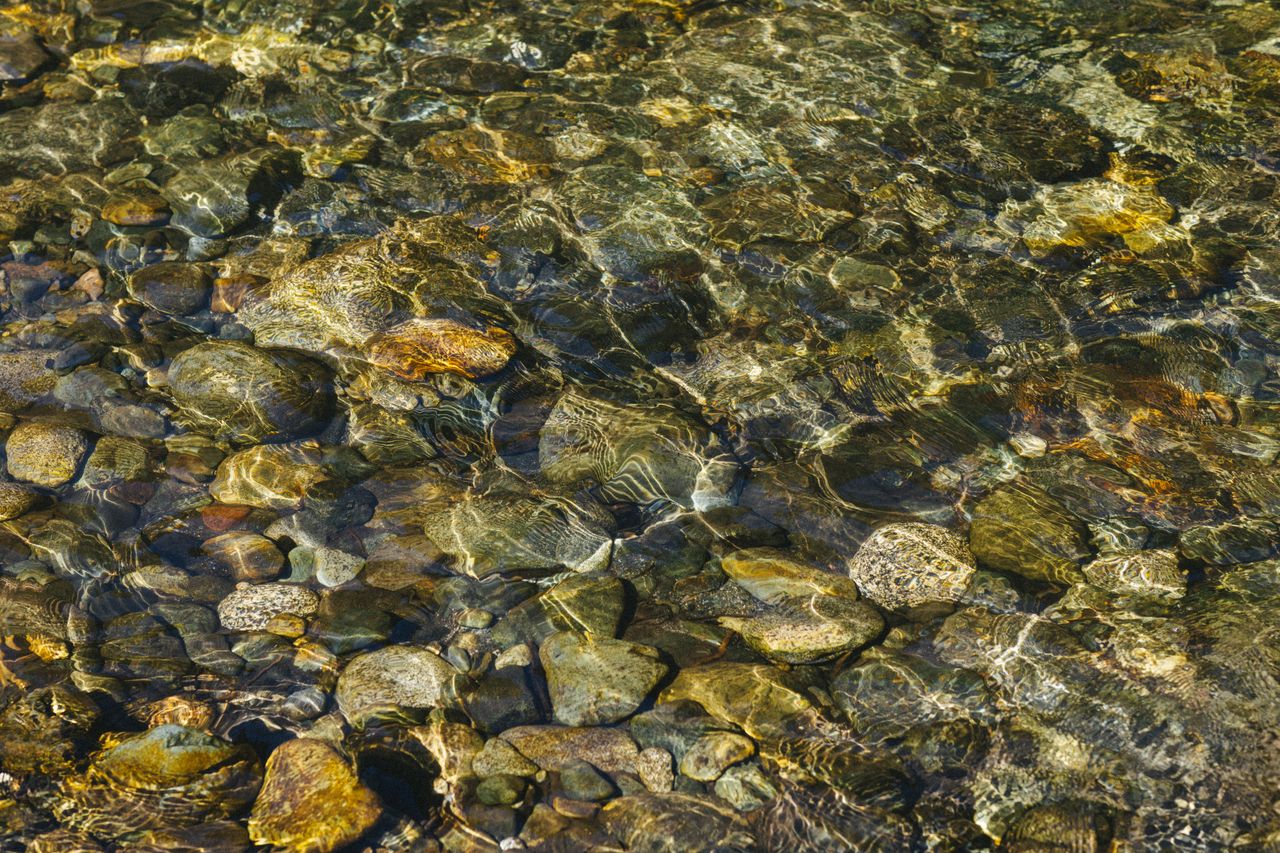
And yet.
When you look closer.
There are salmon dead in their tens of thousands.
There are rivers blooming emerald and poison.
There are communities whose traditions and livelihoods and health are destroyed.
We’re somehow fine with this so long as such things happen over there, somewhere downstream. Dam the rivers in tribal land, remove the mountain tops and poison the runoff in the remote corners of the developing world. This is our devil’s bargain, eagerly seized because exported suffering is easier to bear, easier to forget. Out of sight, out of mind.
For all the rivers that have carved their lessons into my heart, sometimes I feel as though we are all paddling collectively down the Styx. We are already dead, and Charon ferries us inexorably towards the Underworld on a boat made of appetite for all we were unwilling to give up.
So how do we hold the bridge of our burning world? What keeps us fighting when the forces of greed, of growth, of “progress” are so powerful? When even the solutions demand unconscionable sacrifice?
How, in the ruin, do we hold on to hope?
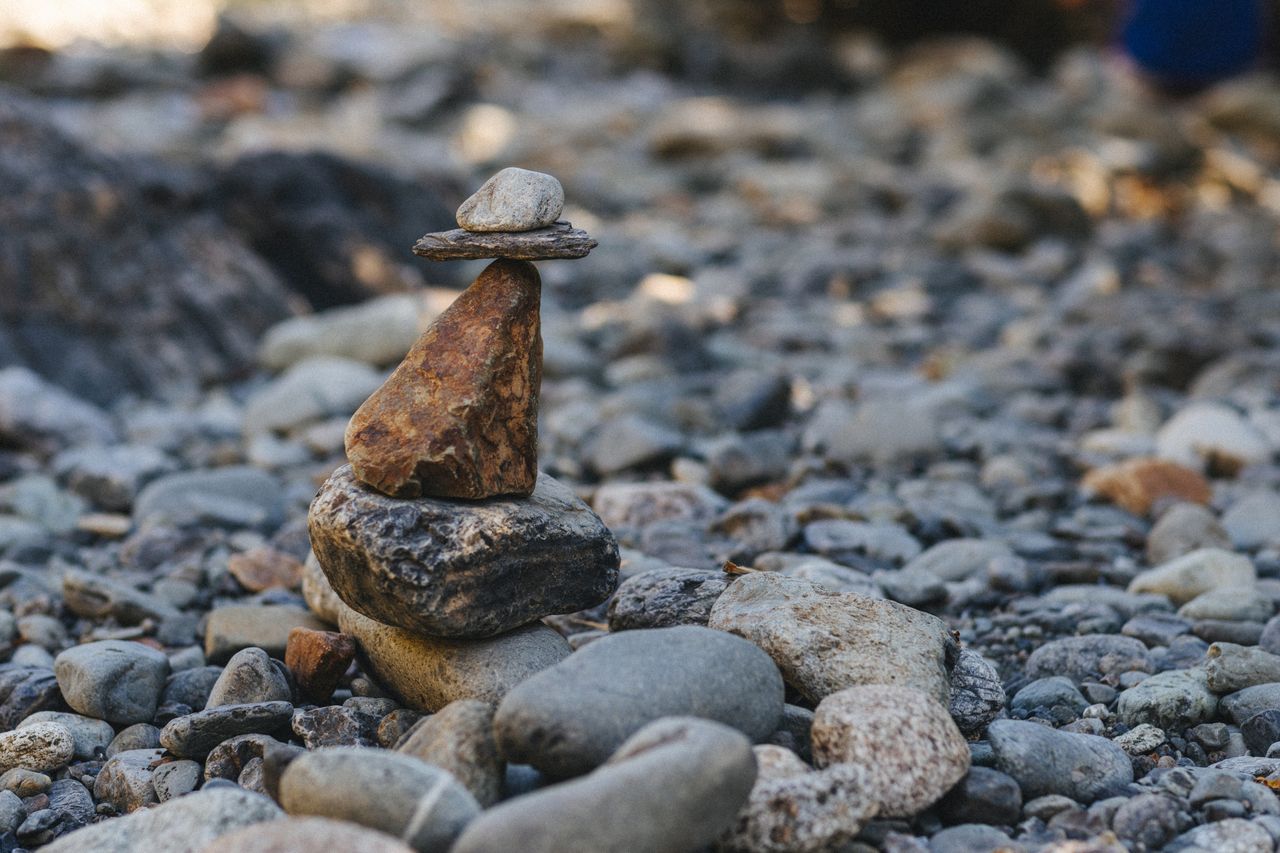
Another day on the Klamath. The kids from Paddle Tribal Waters spent the morning running a new section of rapids. We hear their whoops of joy from afar as they ride wave trains and navigate whitewater lines, their cheers as one of their number topples over in a rapid, then rights himself with a crisp combat roll.
Now they’re sitting on the rocky bank, learning about local ecology from the Salmon River Restoration Council. They learn how to identify different types of macroinvertebrates, reading the water to understand where river life thrives and what keeps it healthy. Some of the kids are bored—this is less action-packed than the whitewater—but others are rapt with attention. This is their river, and these are the arcane secrets of the magical world they are sworn to protect.
When the lecture is over, the conservationists hand out viewfinders and goggles. Chinook salmon congregate in the cold, and the students are set loose to snorkel around the spot where the frigid waters of Nordheimer Creek enter the Klamath. While some identify fish, others catch insects and watch them through the viewfinders—magnified through the glass into wriggling monsters.
In whitewater, they have discovered the joy in movement and power and adrenaline—the adventure that a river can bring. In the quiet, they have discovered their river’s hidden worlds; they have unlocked wonder.
The removal of the dams and Paddle Tribal Waters’ first descent was a historic victory, but what comes next is what anchors my hope. Alumni from early cohorts are returning as junior instructors, guiding younger students down the river just as they were once guided. Others are on track to become certified whitewater guides or pursue degrees in environmental science, turning their summer love affair with the river into a lifelong career defending it. The freeing of the Klamath was not the end of the story; it was just the beginning.
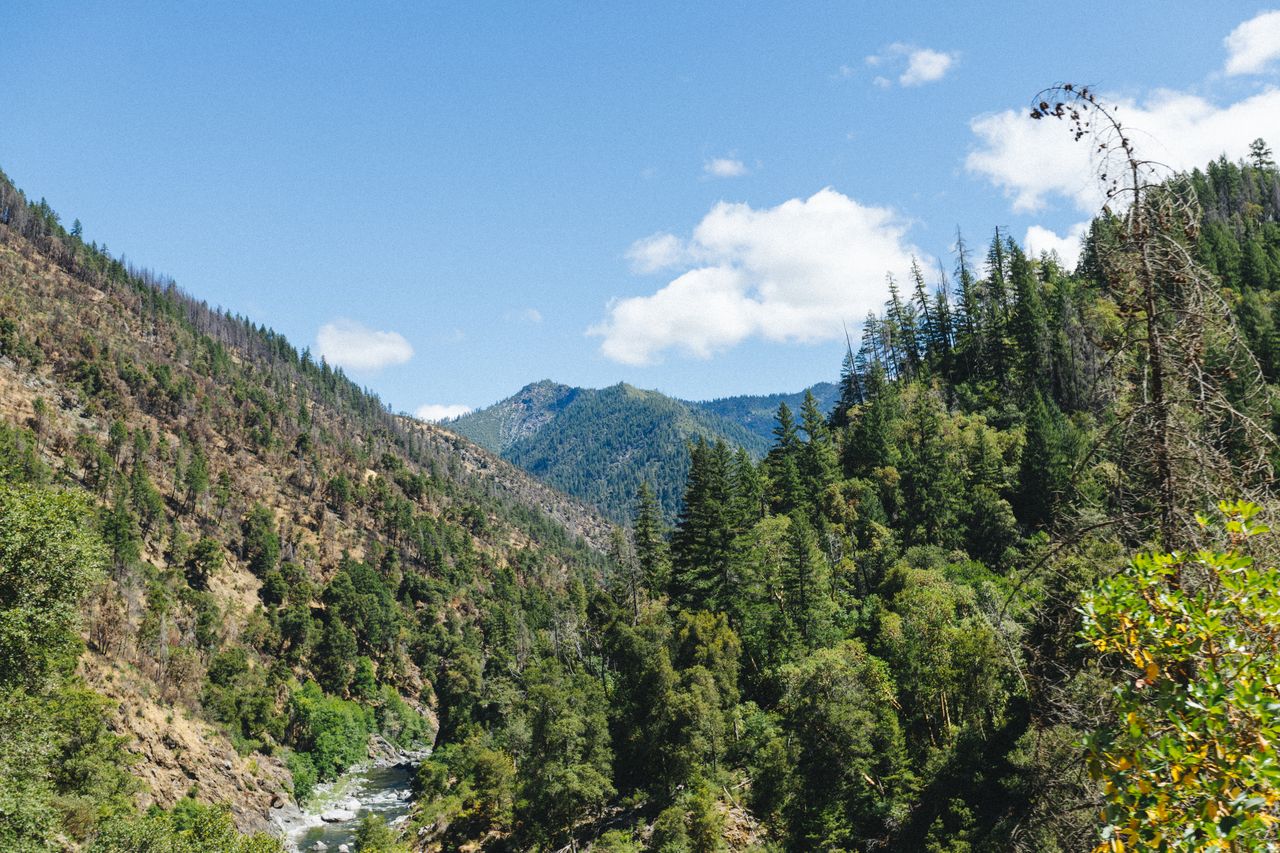
In Braiding Sweetgrass, botanist and author Robin Wall Kimmerer writes: "Even a wounded world is feeding us. Even a wounded world holds us, giving us moments of wonder and joy. I choose joy over despair. Not because I have my head in the sand, but because joy is what the earth gives me daily and I must return the gift."
The river has given these young people so many moments of unbridled joy, and now they are returning the gift—passing down skills, knowledge, and stoke to the next generation. It’s an exponential movement of stewardship and restoration, and it all begins here: in the adrenaline of a rapid, the gape-mouthed fascination at a magnified insect, the spark of an awakened imagination.
Watching these kids fall in love with their river, learning its power, science, and story, that’s where my despair dissolves. They are showing that when you fully experience the wonder of a wild place, fighting for it no longer feels like an abstract duty. It becomes personal. The river gives them joy, and that joy becomes the fuel for restoration.
We each carry these places close to our hearts: a muddy creek in Virginia, a river in South Sudan, a liberated current in Northern California. If we want to save what remains, we too must learn the art of wonder. It is only when we learn to love our wounded world that we find the courage to defend it.