

A Way Abstracted
Lori Parkerson
Healing is a recurring theme in each gardening site we visit with the Amsterdam-based collective Cityplot. Members of the group describe an internal transformation when they reflect on the impact planting and harvesting have had on their lives. Access to beauty is key, and its value is beyond aesthetic. Here, beauty is also the joy derived from beholding that which is good. It is the space to notice the natural occurrence of what is right and true; what is real. An attentiveness to this abundance is its own form of restoration.
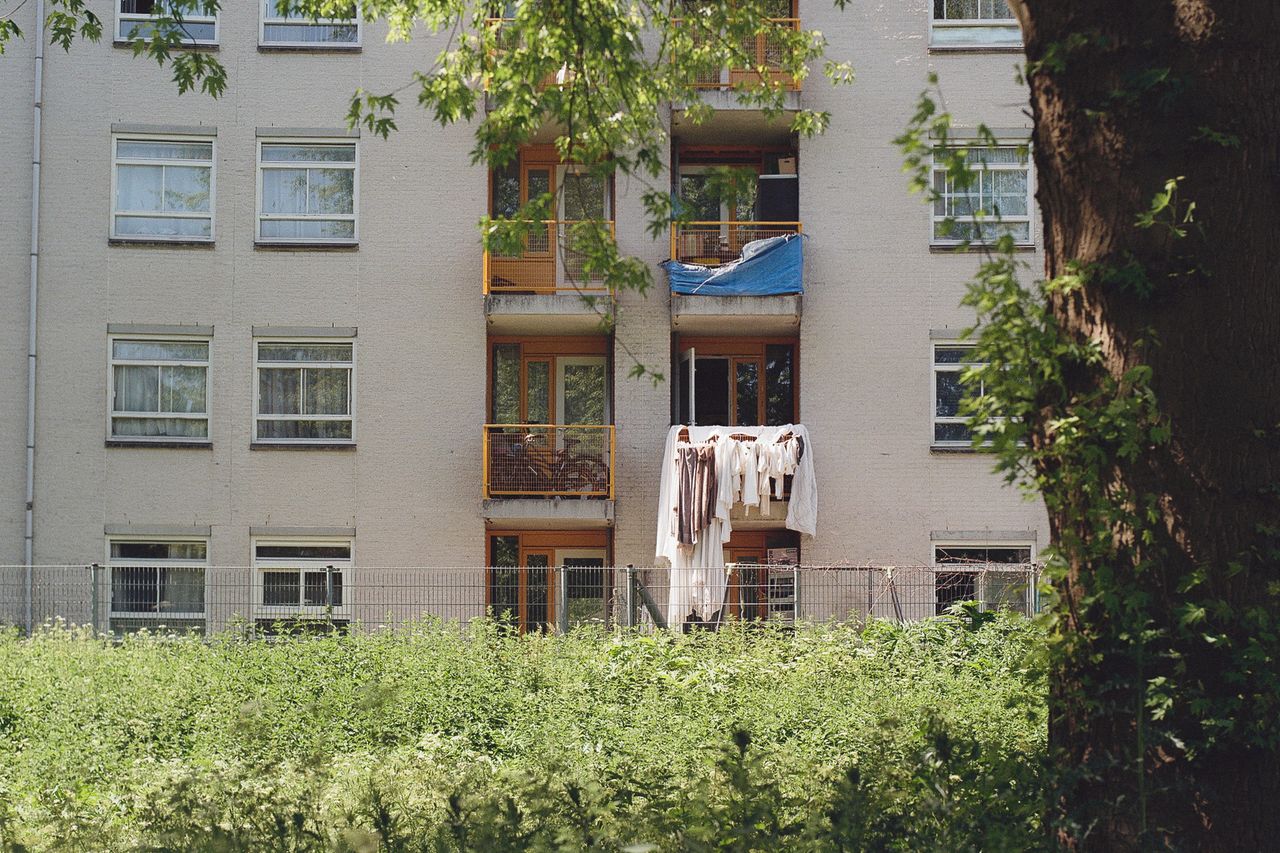
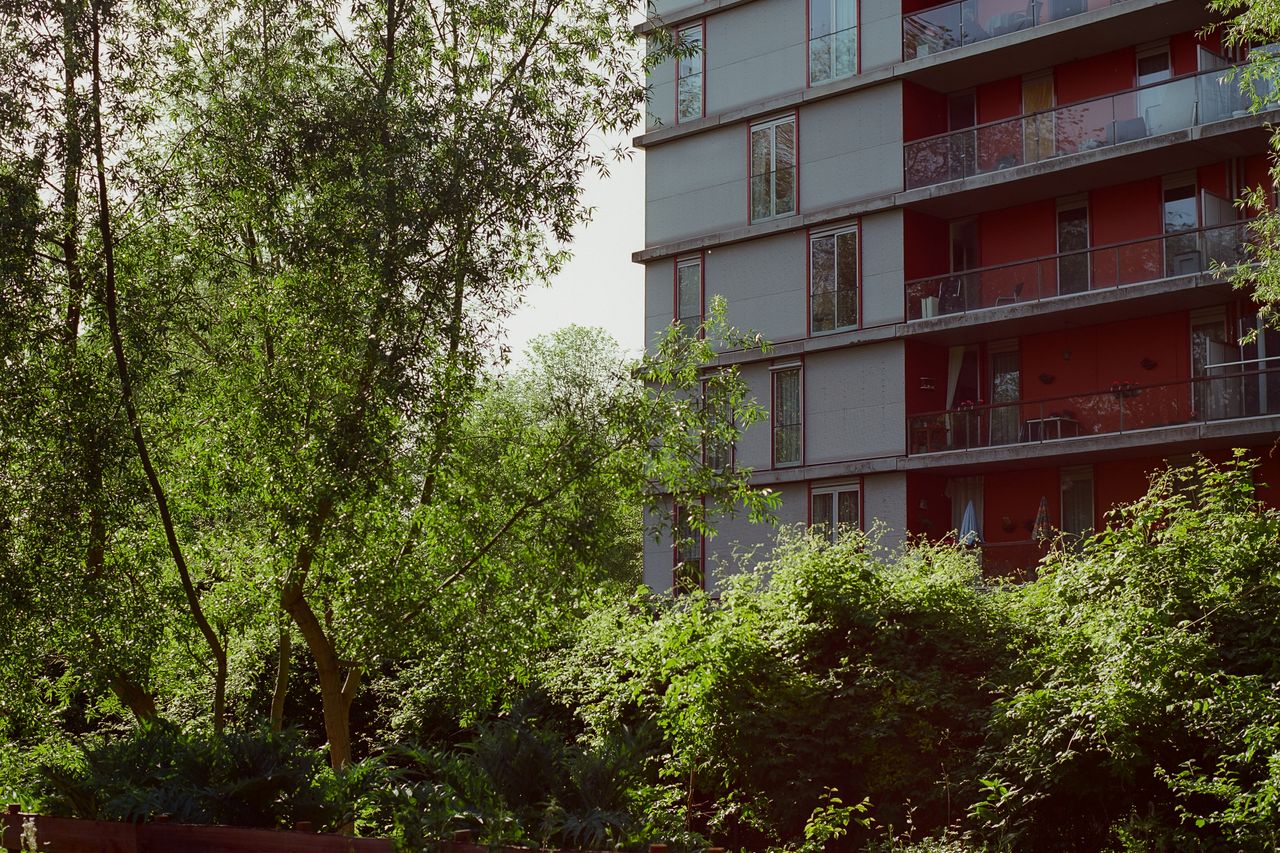
Riding through Amsterdam, the brightest poppies spring forth from street medians. These wildflowers, left unattended, bloom anyway. That stays with me as we make our way to the Venserpolder Community Garden, a circular space surrounded by a housing development. At its entrance sits a small shopping strip, grey cement eventually giving way to greenery and dirt plots. Magpies fly overhead while a mother and her kids tend to their section.
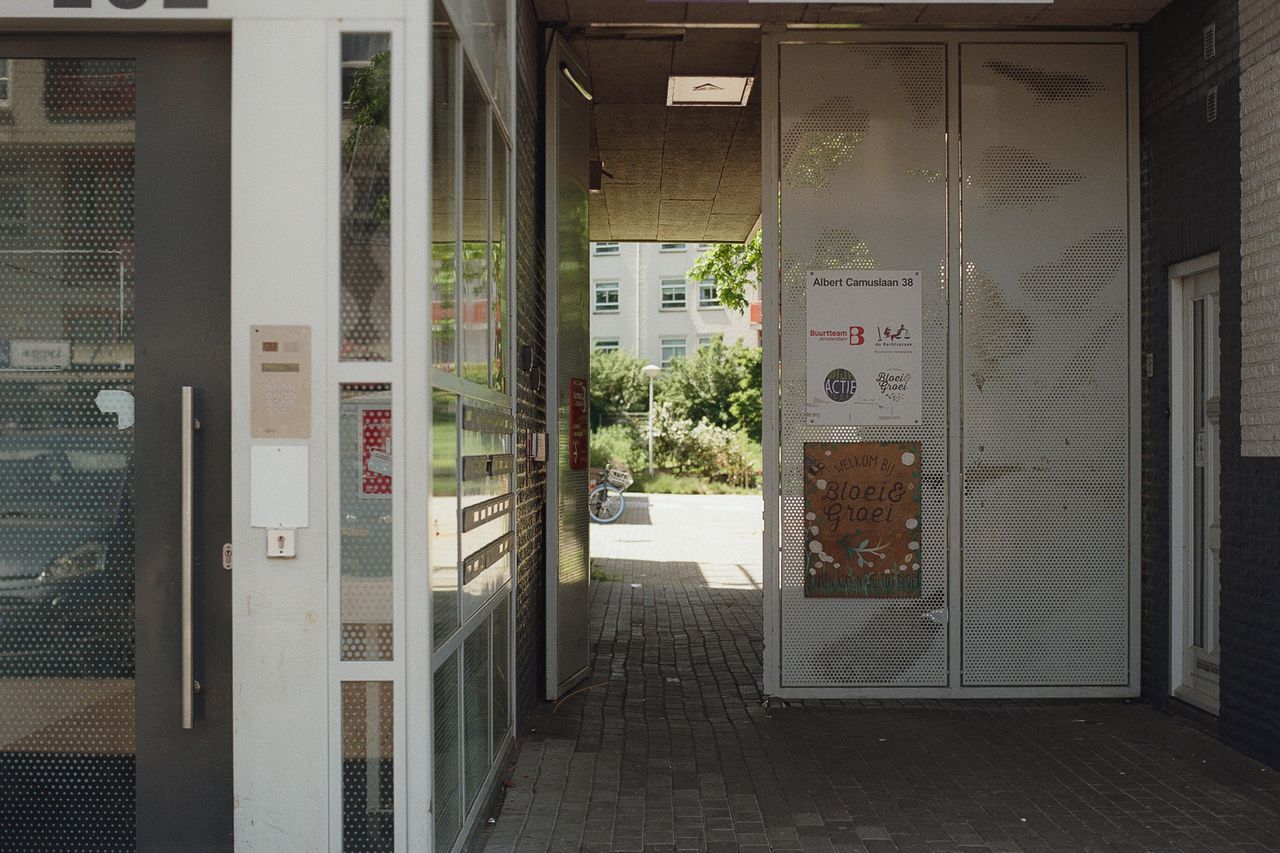
The garden is run by Bloei & Groei (Blossom & Grow), a women-led community initiative that transforms underused urban areas into green spaces. The group was founded in 2014 by Ama Koranteng-Kumi with a vision for women’s empowerment and well-being through nature. In Venserpolder, there is a community garden that has been planted with intention. Local women visit three days a week to help grow vegetables and attend workshops on various activities including making dyes from plants or skincare from calendula flowers to sell at Bloei & Groei’s monthly market. Residents can also sign up to tend their own plots in the garden. Cityplot supports the endeavor by hosting workshops on gardening topics like composting, seed saving, crop planting, and biodiversity. It is a magical, grounding place powered by a holistic view of wellness.
“I think we should strive to bring some beauty and lovely things everywhere,” says Patty Rudge. “We are doing that with our… garden and our flowering place. I think that’s a good thing.”
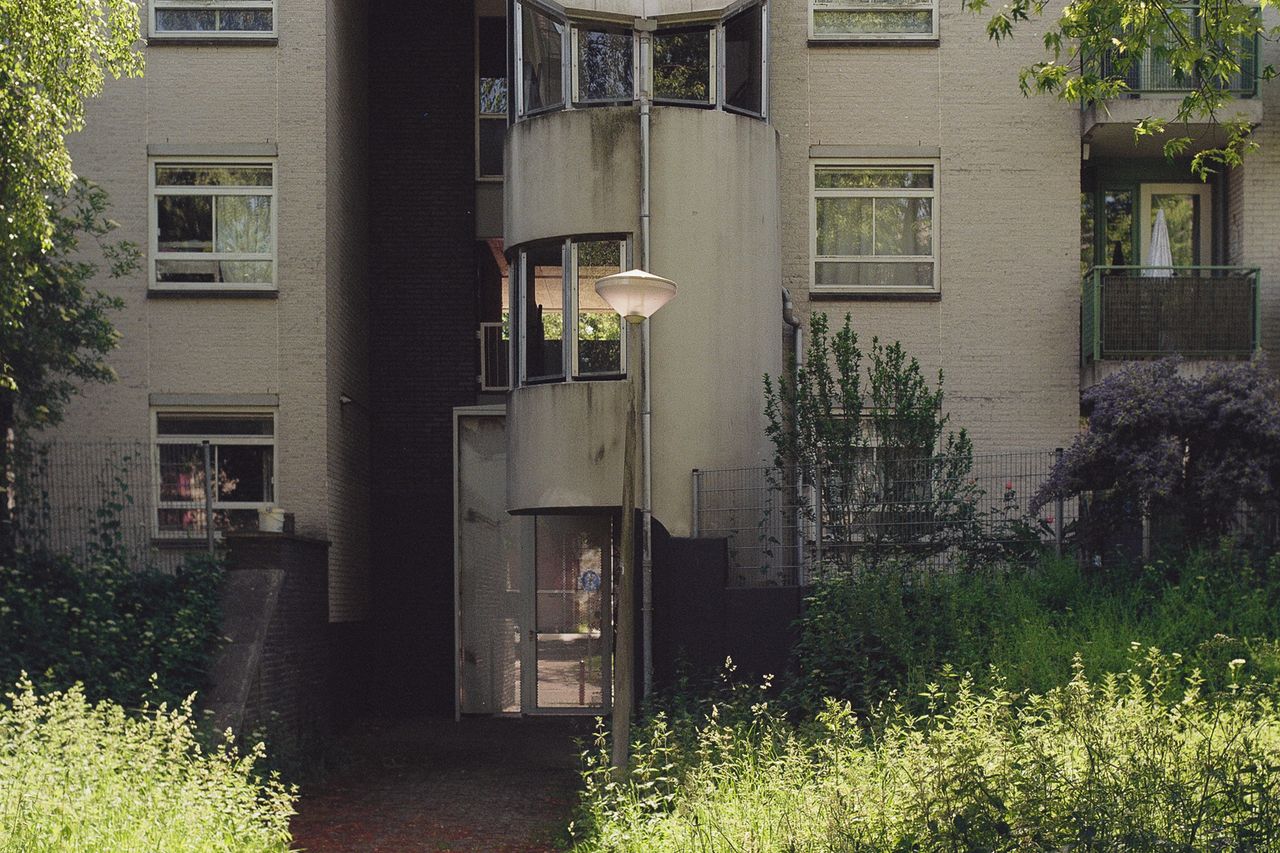
Patty is the former director of Bloei & Groei and a fierce advocate for accessibility. The priority aligns with the organization’s commitment to operate gardens outside of the city’s center. The Venserpolder is located in the Bijlmermeer, a largely Surinamese community in Southeast Amsterdam with Caribbean and African cultural influences. They also run two healing gardens—spaces designed specifically for the restoration of one’s entire being—in Nieuw West and Noord. These are located in communities of Moroccan and Turkish descent. The incomes in Bijlmermeer and parts of Nieuw West are lower than the city center. Questions linger: Who is prioritized when a city plans green space? Who has access to abundance?
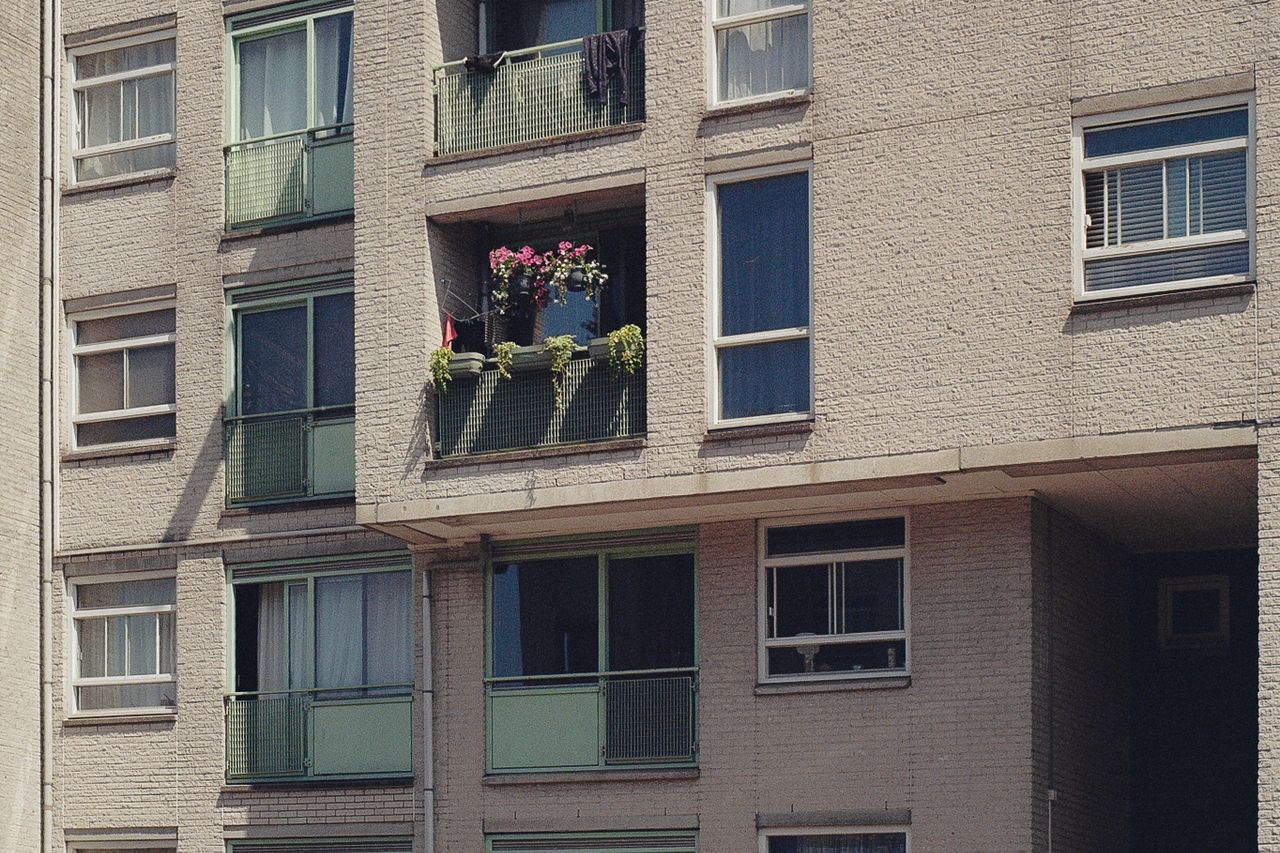
Bloei & Groei’s work recognizes that a lack of resources does not preclude an affinity for creative, intentional living. The group has an eye for seeing what others may not consider. When a local musician looked for a garden venue to perform during Amsterdam’s Canal Festival, Patty suggested the Venserpolder. The apartments' terraces face directly into the garden, giving everyone “balcony seats.” Once, a social worker considered the design of the organization’s flyers to be “too fancy.” Patty recalls the worker saying “people without money are not used to beautiful things.” But that line of thinking assumes that beauty is only suitable for some, that it is a desire predetermined by background and social status. It implies that an appreciation for beauty requires additional material resources—which drastically underestimates its potential to inspire a new way of being. The impact of the healing gardens on women's mental health describes the role of beauty as essential. When we see nature grow, change, and yield, we witness what is possible should our own lives be given the same kind of attention. “That is what I meant with beauty should be accessible to everyone, but especially if you are tired and weary with your life—you can use a little bit extra of that and I truly believe that,” Patty shares.
Patty’s experience with the organization is personal as she first came to the garden in need of her own renewal, burned out from a career in corporate marketing. The healing gardens became a mini retreat, helping to create a new rhythm for her week, as it has for many women over the years. They come to the garden carrying the weight of depression, isolation—the daily pressure of maintaining their families and households. They often lack a friend group outside of their homes. The garden is a chance to become reacquainted with themselves while connecting with nature and one another. “Gardening is a tool. It’s not per se the goal,” explains Naomi Vermeulen. She is a Cityplot member who also serves as a committed presence in the healing gardens. In her role as gardening coach with Bloei & Groei, she supports the women on their journey to personal growth, encouraging them through the overwhelm that can come with experiencing a new version of yourself.
“We try to have the garden as a sort of metaphor for life,” says Naomi. “How do you deal with things failing or if you give so much love and care and it actually not grow into something you were expecting it to be?” The women explore these topics in a monthly newsletter; the theme for May was blooming. “Every plant blooms in a different time, so are you already starting to bloom, are you just sprouting right now, or actually very comfortable still as a seed under the ground waiting for the right conditions?”
Here, gardens provide space for women to till the soil of their lives in the same way they plant within the earth. It is an environment that allows them to practice new habits and become acquainted with the version of themselves that has grown. One of the areas that can be hard to change is prioritizing oneself. As wives, mothers, caregivers, and laborers, Patty says that the women are used to expending time and energy on other people. The withdrawal often comes at their own expense: “They give a lot. They work a lot. They are easily working for less money and giving 200% output.”
Time spent in the gardens, while healing, is still a commitment on their time. Participation in the workshops brings new knowledge of gardening and also reveals areas of internal growth. During her tenure as Director at Bloei & Groei, Patty advised the women to use their time there as a training ground in choosing themselves. “So one of the things I told them is, ‘Listen, you have to learn to say no to me,’” says Patty. “Just start with me. If I'm asking too much, just say no. Just say, No, I don't have time. I don't want to.’”
While the experience was difficult because it challenged a familiar habit, it also proved that another way of being was possible. For Patty, it was a matter of the women learning to both embrace and fight for their agency, particularly as Black women and women of color who are expected to conform in ways that do not prioritize one’s own wellbeing or desires. “I'm very proud of them because it's good,” Patty shares. “It's good to say no. It's good to have boundaries. It's good to sometimes yell.”
While “no” may seem like a straightforward response, Patty recognizes that its execution is not. Society often builds false narratives around women who do not fit a certain mold. Suppressing one’s emotions for fear of being misrepresented becomes its own kind of fight. “We have all these [stereotypes, like the one] about the ‘angry’ black woman,” Patty reflects. Instead of suppression, she offers the participants an alternative: “Just get fucking angry.”
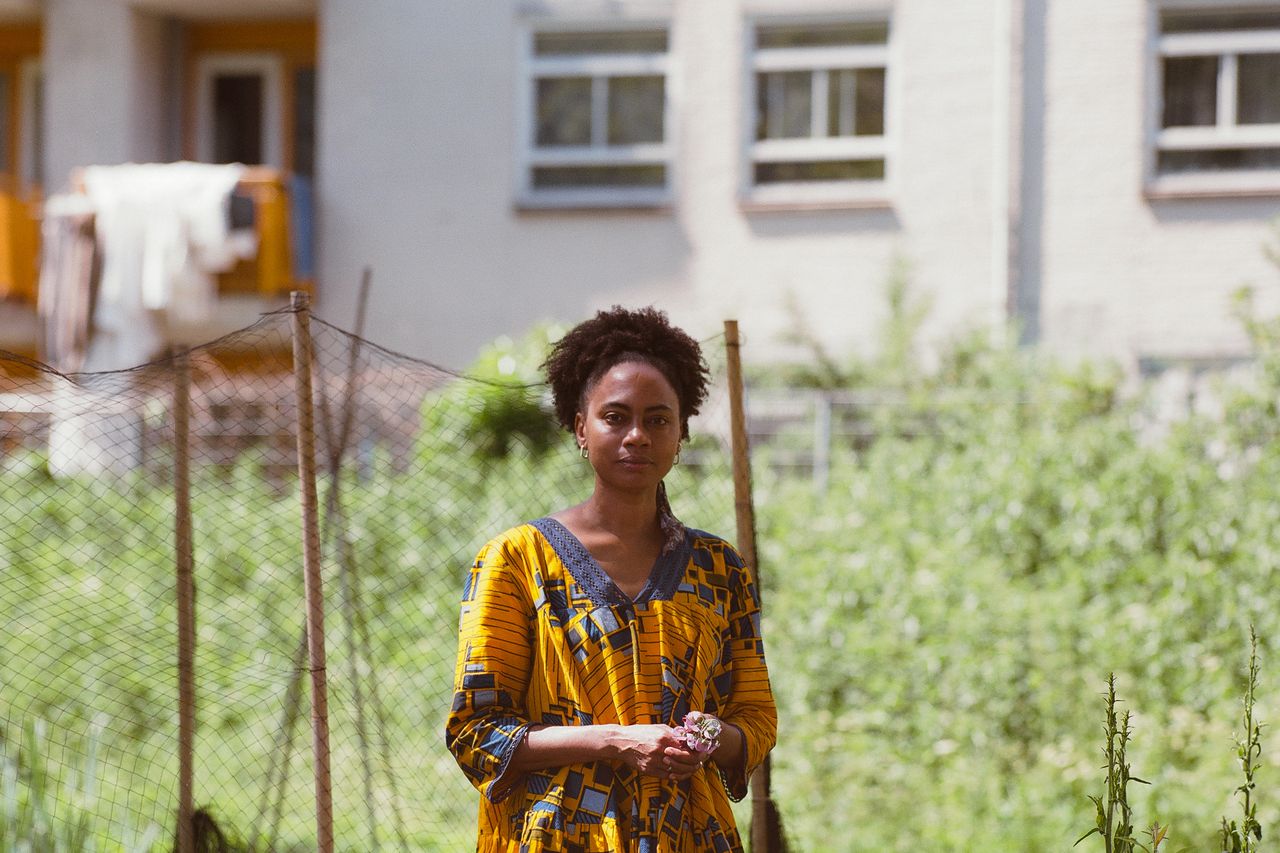
“People will have an opinion on you whether you're angry or not. We keep all these [emotions] inside and then we get frustrated and then we get sick and then we need healing. Be angry because if you're angry, there's probably a good reason.”
What Patty communicates is the circularity of denial. For the women of Bloei & Groei, being in the garden upends the cycle. By participating in the work of the soil, they come to recognize their own strength. They witness beauty and practice the lesson of the garden: beauty as the possibility of goodness.

Avery Marks
Features Editor