On September 11, 2025, I found myself in a small room surrounded by several dozen silver-haired grandmother-activists with their multiple rubber wristbands, movement t-shirts, and plenty of arch support. We were gathered for a one-day Feminist Peace Action Conference in Jerusalem where my hosts, Rana and Eszter, were speaking. The entire day was in Hebrew and Arabic, translated into English via subtitles on a screen. Towards the end of the program, as conversation in the room began to bubble, a leader asked plainly, “Does anyone here not understand Hebrew?”—wondering, of course, if they still needed to translate everything three different ways. I raised my hand shyly, staring hard into the floor. Realizing I was the only one, I stammered, “But please, I’m only one… you don’t need to translate just for me.” It was at this moment an Israeli super-activist I’d been admiring all day, seated just one row in front of me, grabbed my arm, looked me dead in the eye—the room silenced and looking on—and said, “NEVER say ‘I am only,’—EVER.” The whole exchange lasted all of three seconds but is now etched permanently into my insides, wherever it is that holds those words people speak that pin you to the proverbial wall.
Still pinned by her words, I will endeavor here to say what I’ve seen in as plain a way as I’m able in hopes that you, dear reader, might also be brought to hope and pinned to a peace-building purpose as conflicts continue to unfold, inside and outside our own selves and spheres.
May God have mercy.
–
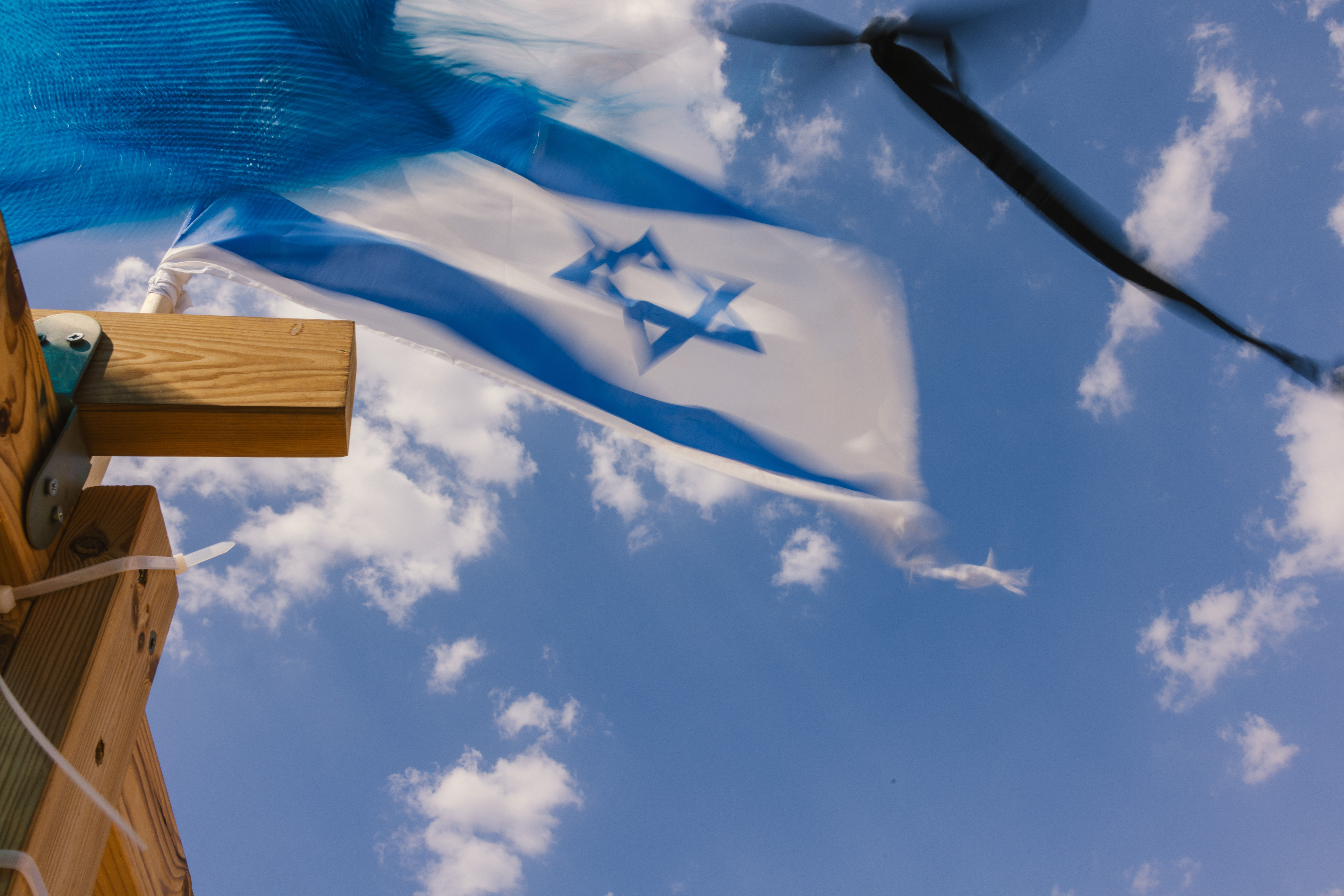
Ceasefire is a step in a journey of a thousand steps, but it is not peace. As I write, the last of the living hostages are reunited with their families, thousands of former prisoners are bussed from life sentences in sunless dungeons to the wreckage and rubble of Gaza. They, too, might reunite with their families—starved, emaciated, evicted, but breathing—all praise to God. I watched one former prisoner reunite with his young children whom he’d been tortured to believe were dead, and another rock back and forth on his knees with a bracelet he’d woven for his daughter clutched in his hands as he wailed, “My family is dead, my family is dead… my home, my children, everything is gone… my family is dead.”
Dear God. This world.
In the every day shock and swirl it’s the peace activists I find most riveting. They are oxygen rushing when breathing feels hard. They are voices of clarity and conviction cutting through the noise of droning pundits and endless opinions. Their authority stands apart from the politics of power—moral courage and inner freedom their highest reward. They have no time for despair and can’t afford cynicism. The marrow of hope thrums in their bones, inherited from stories long lived and treasured within family lineage and Holy Scripture. From times before, when people suffered greatly but held on to a vision of love and a better day. And prayed. For us. The future generations.
Capítulo 1 Título
El texto va aquí...
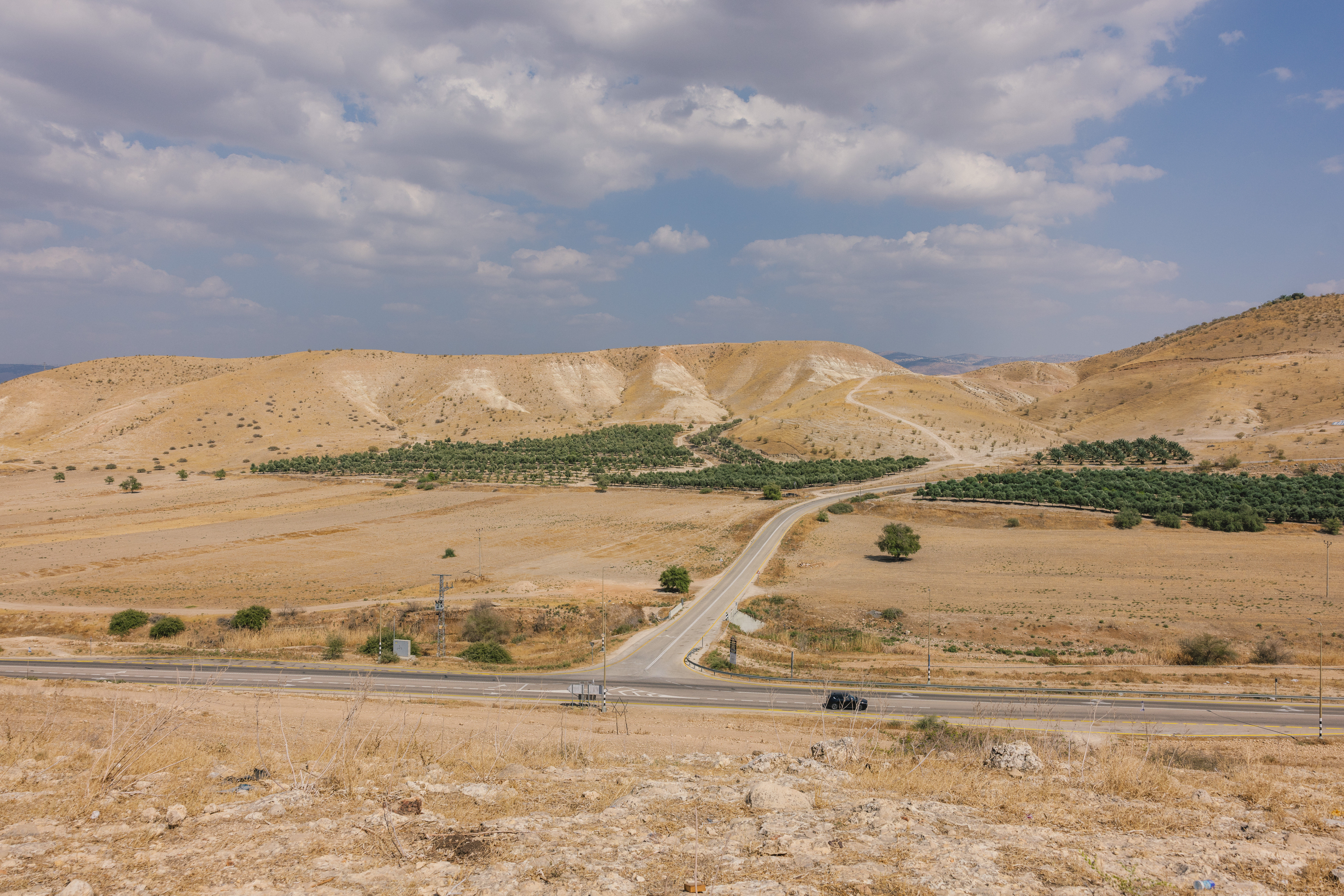
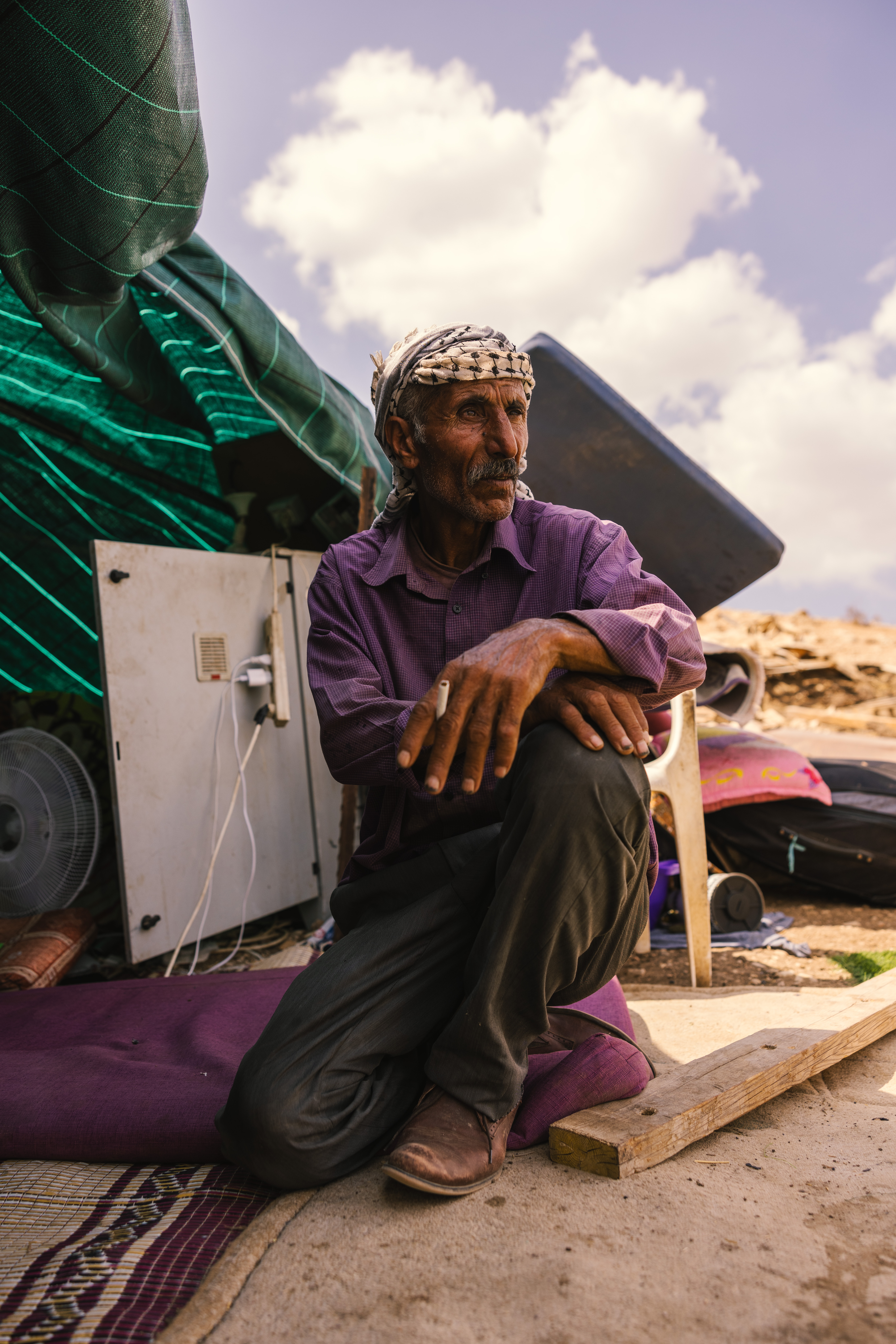
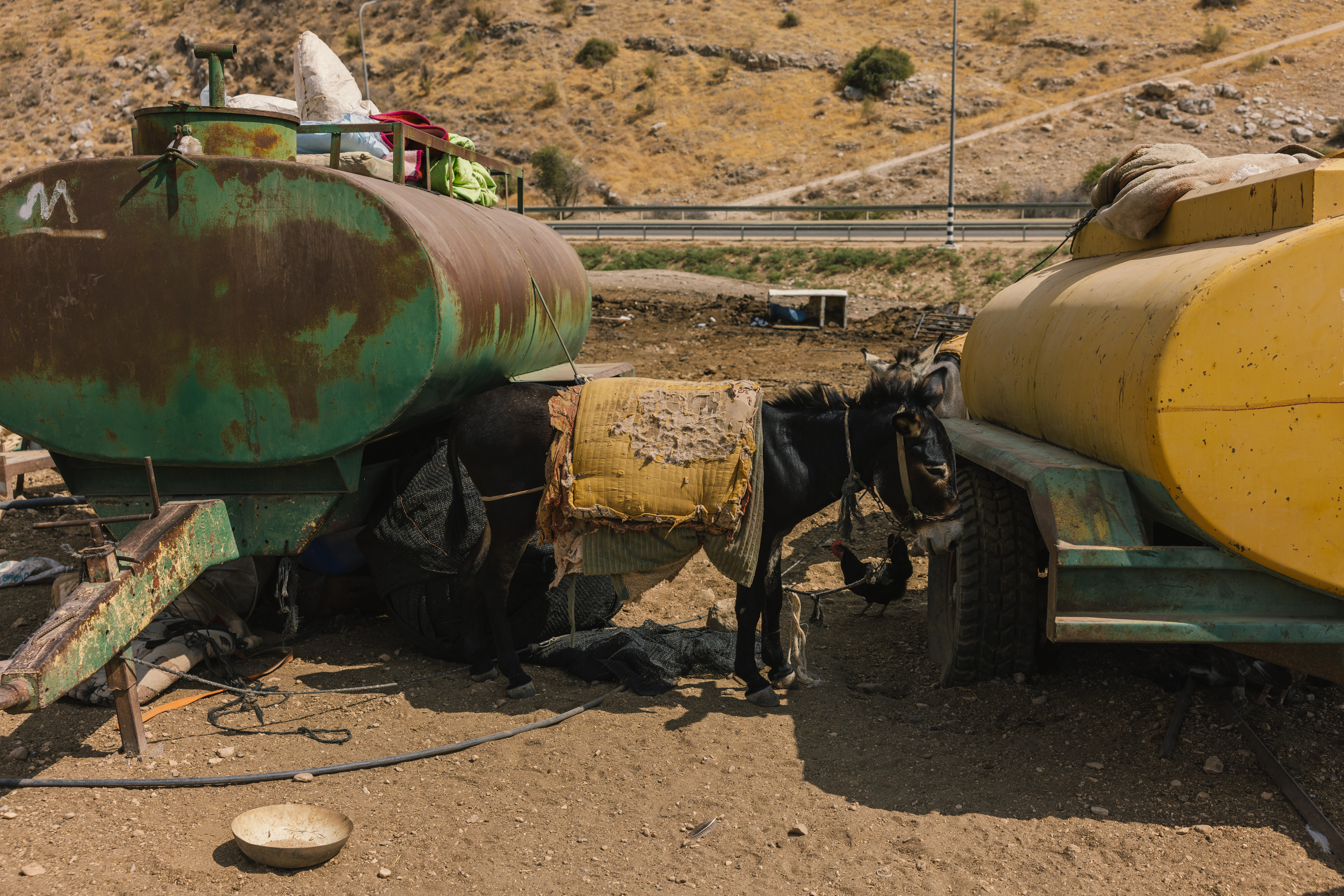
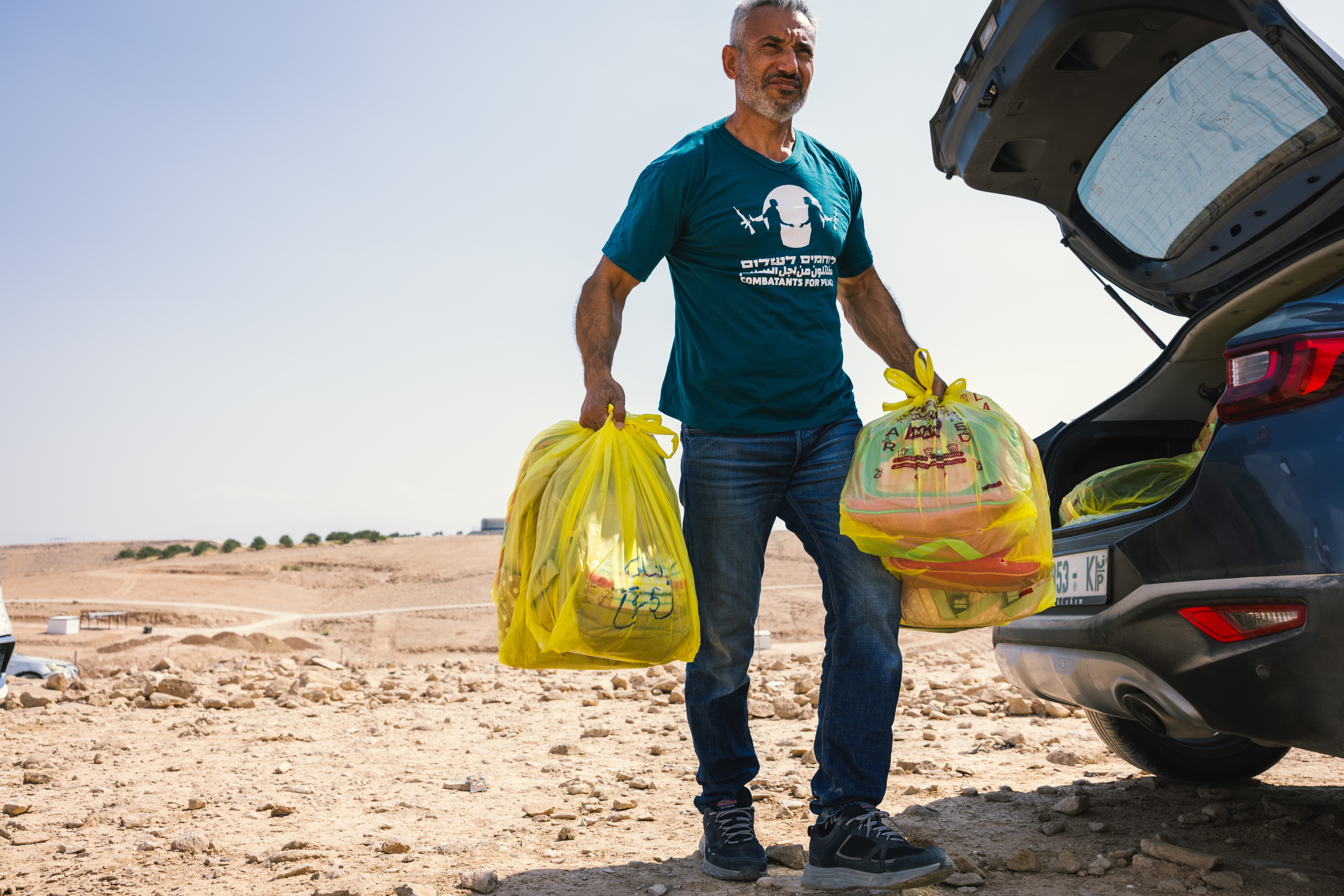
The settlers come often—ransacking their tents, tearing down their animal fences, slicing open their water barrels, and uprooting their trees. Just 20 days ago they slaughtered 150 of their sheep. Elie and a coalition of other nonviolent peace activists maintain a 24/7 presence to document these and other crimes against humanity committed by the settlers. “It is worse for them to eat shrimp than to kill a Palestinian,” he says.
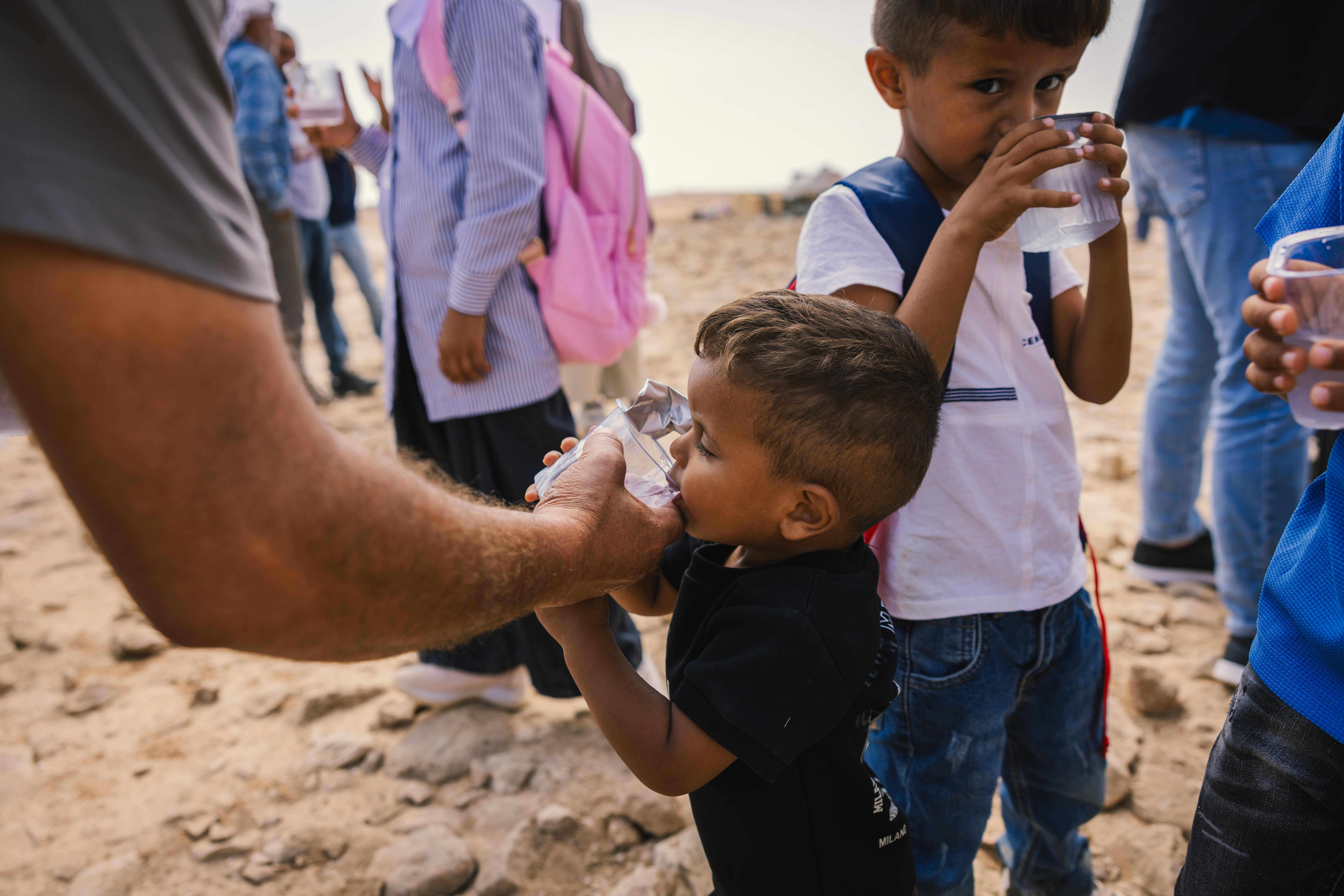
Farsiy’s cattle stand motionless, gathered around the few trees left standing for the bits of shade offered. They need water. Across the road, just 30 steps away, is a fresh water spring and a new pump has been installed but its use is denied to the Palestinian locals—it’s for Israeli soldiers and Jewish settlers only. Farsiy and his sons must drive many kilometers and pay 12 times the price to get water for their animals. “They have made the spring into a tourist destination. You can walk down there, tell stories and sing songs about God leading the Jews through the desert on their way to the promised land from Egypt, but the water is not available to the local people,” says Elie. “It’s excruciating to see my country inflict such pain.”
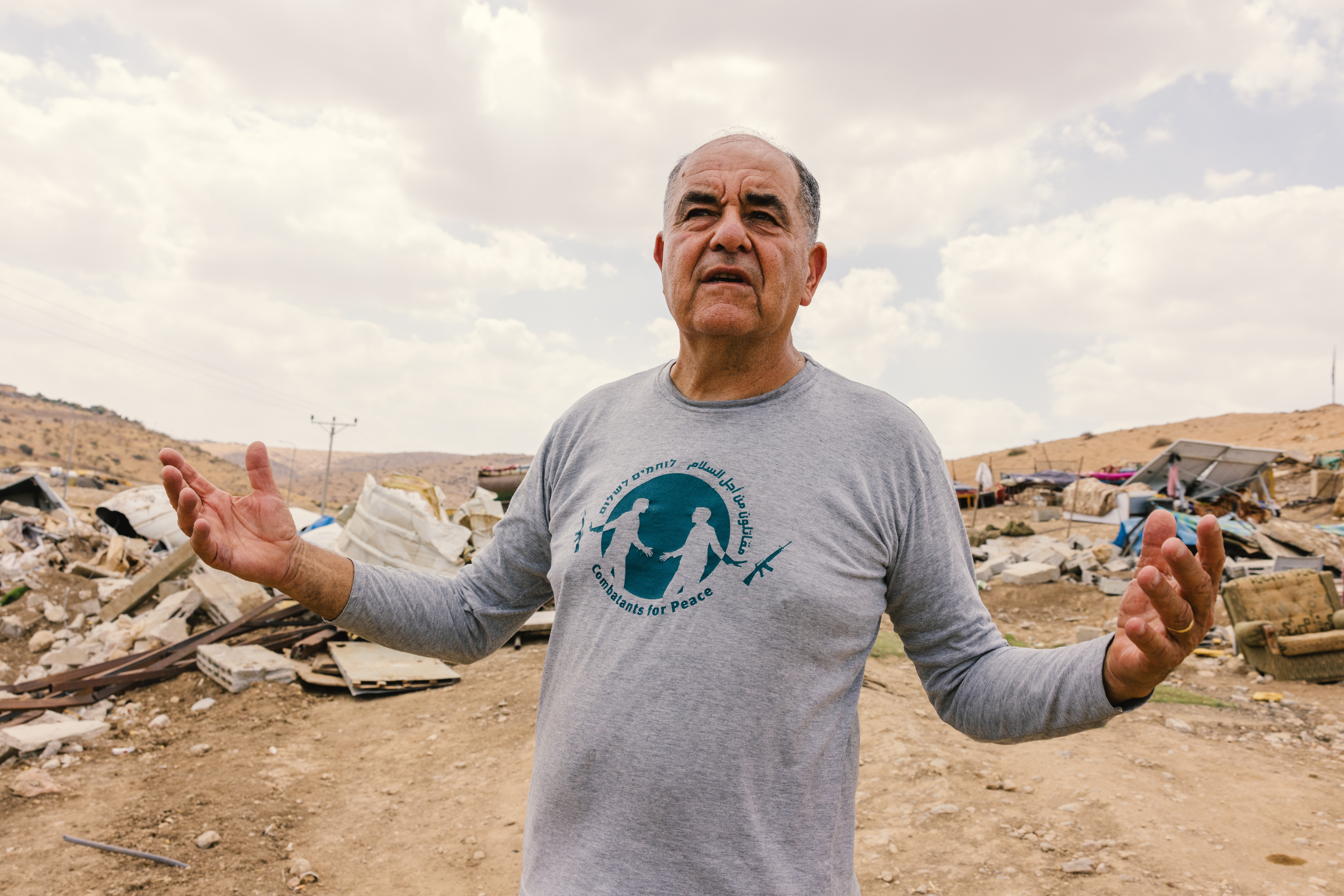
“Human rights are not in Israel.” - Elie Avidor, Israeli Peace Activist, Combatants for Peace (CfP)
Elie Avidor, Israeli Peace Activist, Combatants for Peace
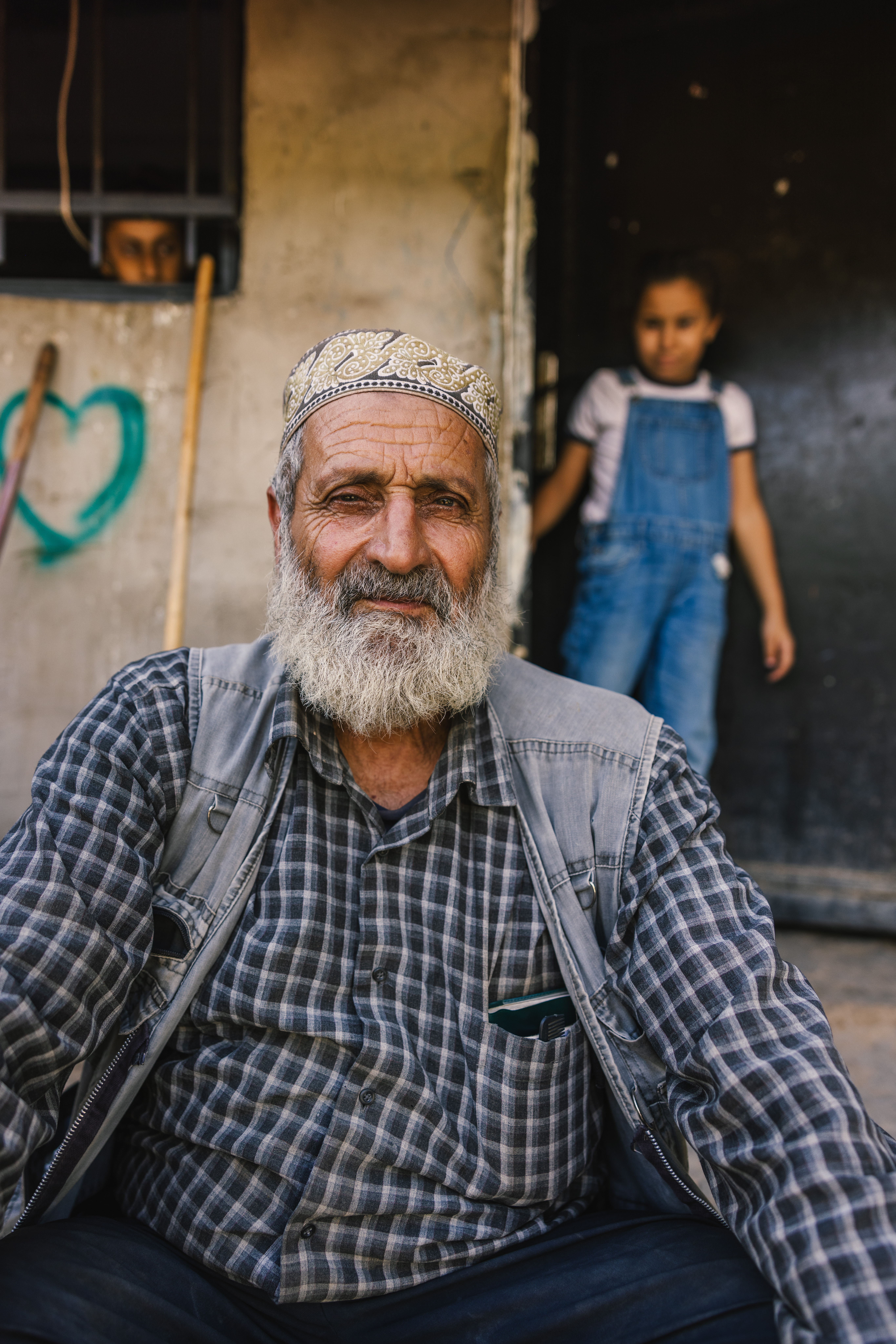
10 minutes down the road, we visit Abu Hari and Om Hari, along with several members of their 35-person family. Abu Hari moved to this land more than 50 years ago, and, like Farsiy, made his living tending olive trees and shepherding his flocks. Until now. With tea and a random salesman stopping in to sell his dates, Om Hari tells me passionately about the hardships they now face as a result of the war. Just a week ago, Didi—the neighboring settler—sent his friends in the night to cut the electrical cables for their solar panels—rendering their refrigerators useless, spoiling their food, and making the heat unbearable. Other nights they come to throw stones at the family while they sleep.
Volunteers put themselves in harm’s way to document these and other heinous acts committed, with no meaningful recourse, protection, or end in sight. Of the 200 members of the activist collective, about 60 are very active—like Kai Jack, who has been visiting Farsiy’s farm and family every week for a year and a half. “Most of us will come on a regular basis one day a week, one day a month, or however much we can,” he says. “Typically we'll spend the day or the night. This is with the hope that our presence can serve as a deescalation, prevent violence, and ultimately, hopefully stop the ethnic cleansing of the Palestinian communities in the area.”
Volunteers put themselves in harm’s way to document these and other heinous acts committed, with no meaningful recourse, protection, or end in sight. Of the 200 members of the activist collective, about 60 are very active—like Kai Jack, who has been visiting Farsiy’s farm and family every week for a year and a half. “Most of us will come on a regular basis one day a week, one day a month, or however much we can,” he says. “Typically we'll spend the day or the night. This is with the hope that our presence can serve as a deescalation, prevent violence, and ultimately, hopefully stop the ethnic cleansing of the Palestinian communities in the area.”
“Is there a useful analog for American readers?” I ask. “The Ku Klux Klan is the closest, I think,” says Eszter Koranyi, Israeli Co-Director of Combatants for Peace (CfP). By this, she means a religiously-rooted group of violent extremists acting out a hateful, supremacist ideology, and—arguably—with government support, whether through indifference and inaction, or in this case the ATVs used to terrorize the shepherd’s herds.
Capítulo 2 Título
El texto va aquí...
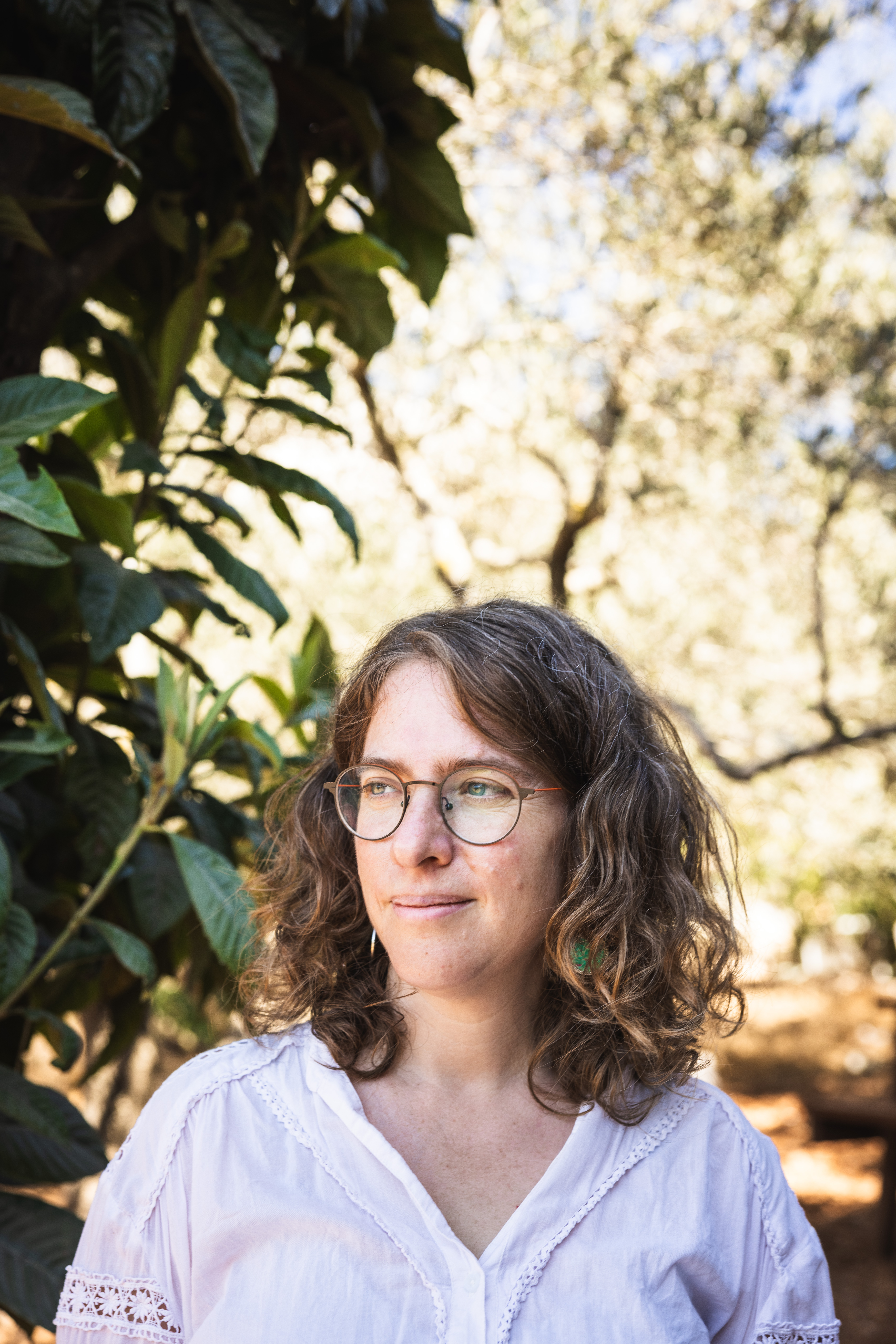
“They didn't want to get into hate and depression, so they just went on a different path. They had this belief that, essentially, human beings are good.”
Eszter Koranyi, Israeli Co-Director, Combatants for Peace
75 years later, Eszter was with her family as the sirens screamed in Tel Aviv on the morning of October 7th, 2023. “I remember the alarms, the immediate fear for my children, and what the hell is happening?!” she says, her eyes fixed on the middle distance ahead of us. “On the day itself we didn't understand the size of the catastrophe.” The news and texts were torrential, particularly from Combatants’ large activist network, many of whom have family and friends in or near Gaza. “It doesn't matter that I'm a peace activist—I am an Israeli, I'm a target,” Eszter knew instinctively. She also knew this is going to be very bad for people in Gaza.
The WhatsApp messages were instant. Phone calls took another few hours. But gathering and regrouping as a community, that took a few days. Plunged into shock, the Combatants for Peace team—a binational group of Israeli and Palestinian activists leading a nonviolent movement to end the occupation and create a future of peace—reflects on those earliest moments with eyes lowered, heads shaking while searching for words.
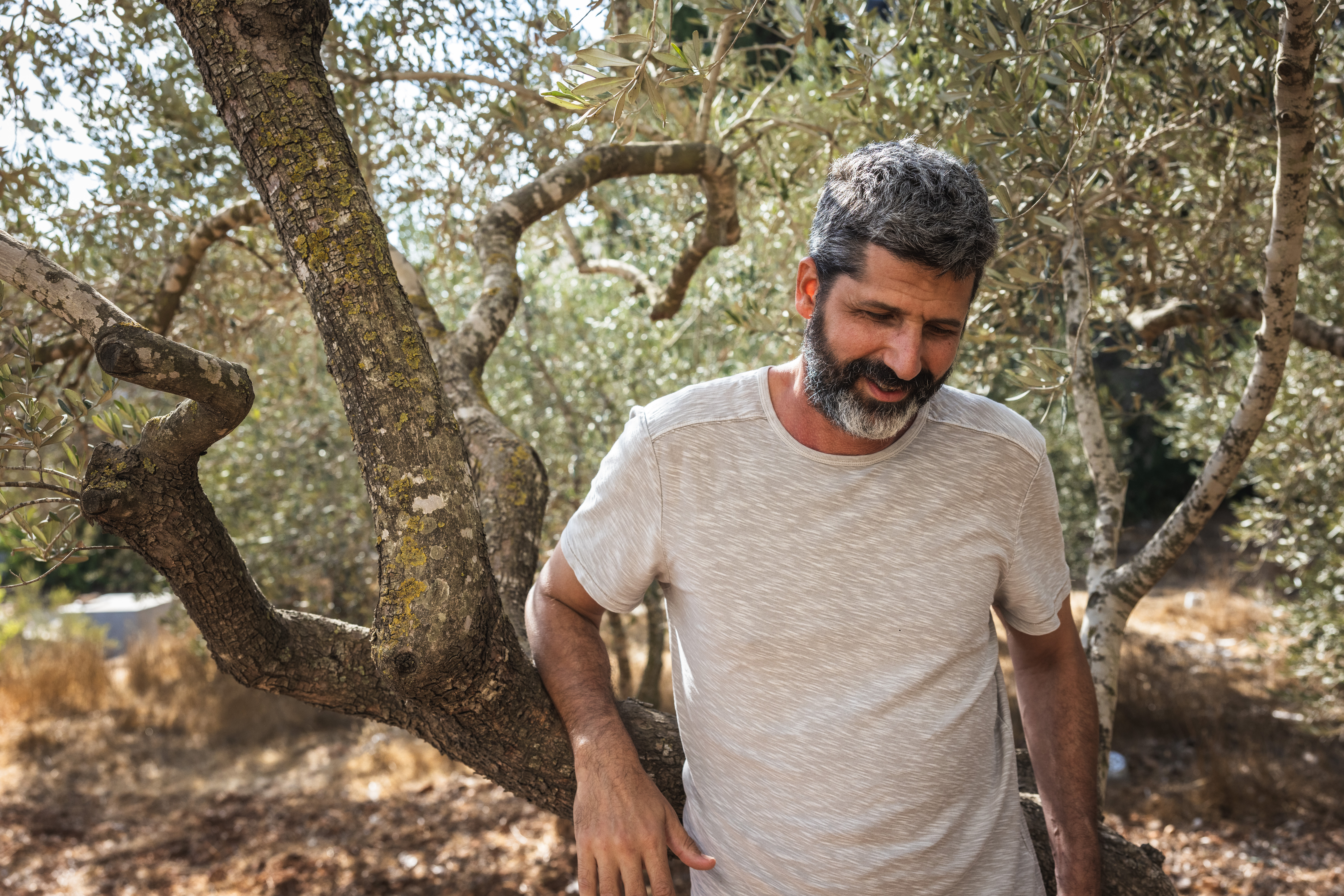
“The present moment is the hardest we've ever experienced here in this land,” says Avner Wishnitzer, a professor of history at Tel Aviv University and co-founder of Combatants for Peace. “This is by far the most terrible, disorienting, frightening, seemingly hopeless moment that I can remember.”
Avner was formerly a member of an elite commando unit in the Israeli army stationed in the south Hebron hills near Nablus in the early 2000s. It was there that his boyhood understanding of Israel as “a safe haven for the Jews and a liberal democracy” began to crumble. Increasingly aware of the systematic oppression, Avner chose to confront his cognitive dissonance. In late 2004 he refused to serve in the Occupied Territories, becoming what’s known in the IDF as a refusenik. Months later, Avner and a few other conscientious objectors were invited to Bethlehem to meet similar-minded Palestinians who were interested in learning about the refuseniks. The palpable tension of this moment and dynamics of this meeting are portrayed in riveting detail in Disturbing the Peace, a documentary film telling the founding story of Combatants for Peace.
“Nevermind being an activist in all that… being a human being is, for me, it's very difficult.”
Avner Wishnitzer, Co-Founder, Combatants for Peace
Hunched at a picnic table beneath an olive tree in the side yard adjacent to the Combatants’ office in Beit Jala, Avner’s tone is low and voice weathered. “It's like a huge machine grinding everything in Gaza. You literally see it,” he says. “And there's nothing we can do to stop it—nothing. We live it literally 24/7. From the time I get up ‘til the time I go to sleep, it is constantly with me—whether I'm in a demonstration or a rally or a protest or another webinar—whatever—it's always with me and I dream about it. The hopelessness is a very, very strong feeling,” his shoulders press lower as the words hang heavy. “And then there's shame.”
The question of whether Israel is committing war crimes—let alone genocide—is not a question many Israelis are willing to face. And likewise, many Palestinians deny the sexual crimes committed on October 7th. It’s very human to want to look away, says Avner. “And the media helps us to avoid everything uncomfortable. We live in a bubble with a kind of mental iron dome protecting us. Anything that tries to penetrate this dome is intercepted. And Combatants for Peace is pretty much an effort to penetrate.”
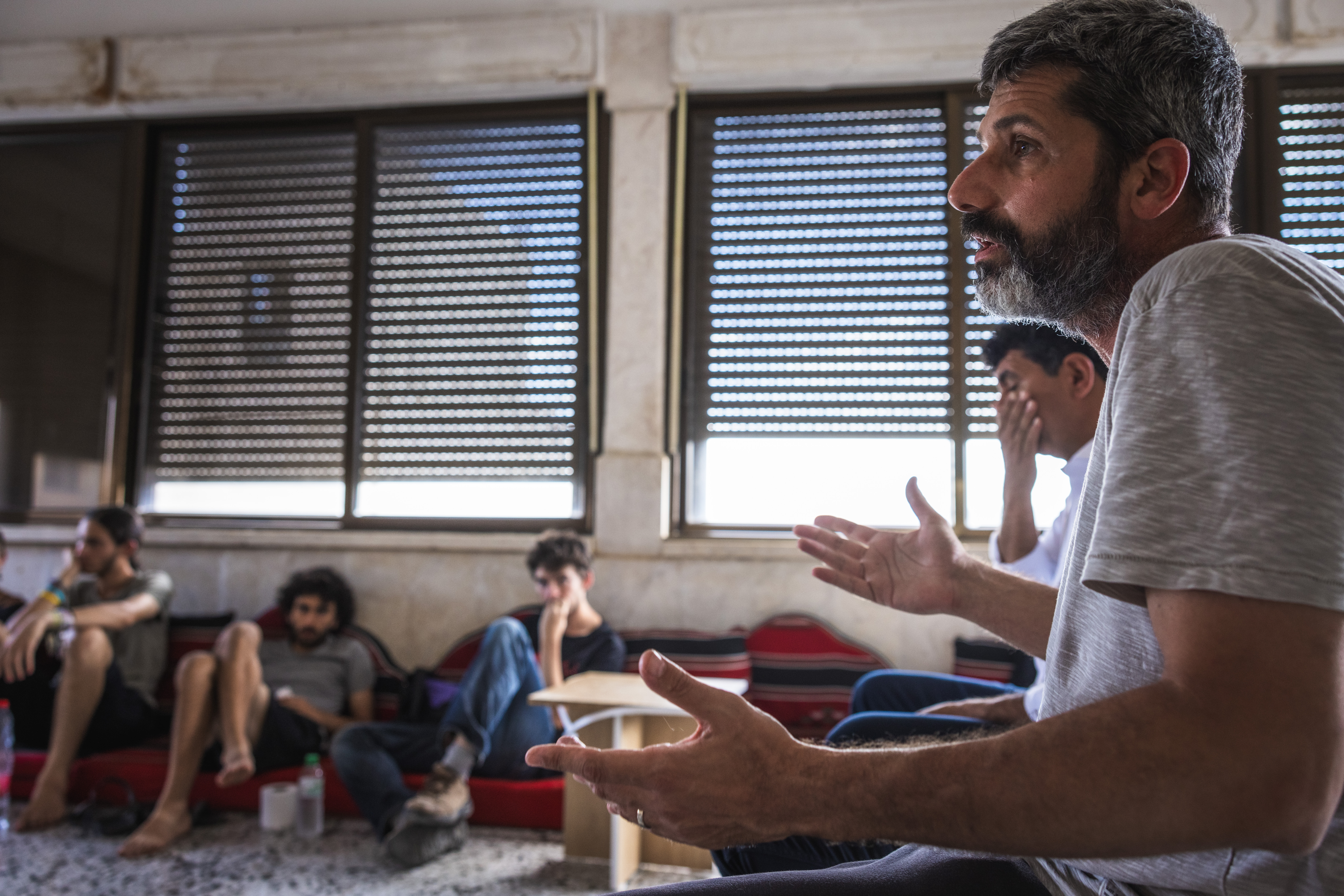
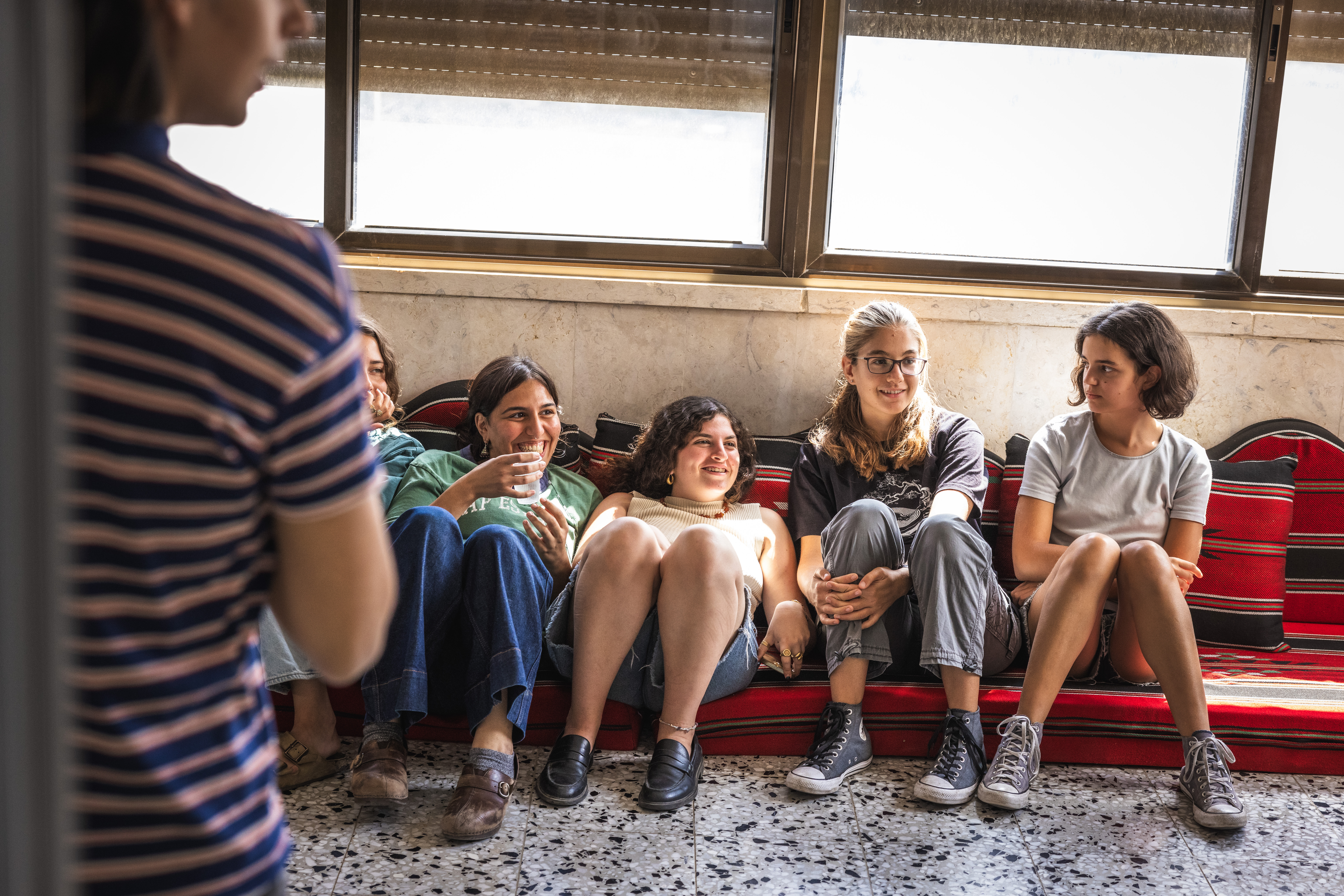
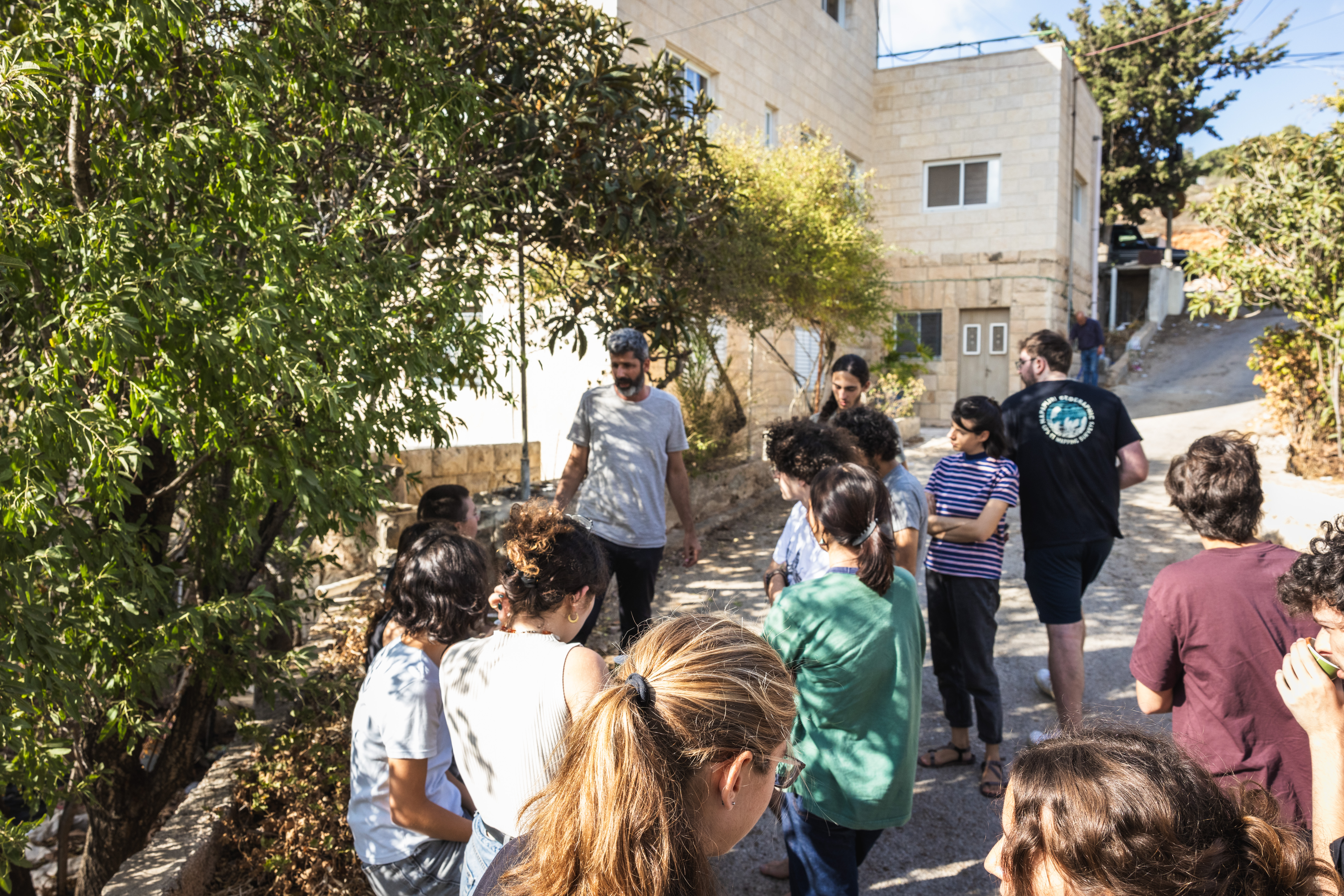
Just before I spoke with Avner, Combatants hosted one of its educational programs, the Israeli Freedom School, for a film screening of There Is Another Way in the office. This cohort of 15-20 young Israelis ages 18-24 traveled to the West Bank—some for the first time in their lives—to learn about nonviolence and hear different narratives. Asked what she imagined the West Bank would be like, one student tells me, “a war zone.” Her admission and sincerity is touching, though immediately calls into question her choice of footwear. Nonetheless, she’s here to learn. The office is rearranged into rows of seats facing a projector screen pulled low across the windows on the far wall. As light snaps to dark, I feel the students brace themselves. Tears roll as the moments of that infamous morning unfold through bodycam footage and cell phone recordings between loved ones locked in safe rooms, gunfire giving way to grenade blasts. “Mom, are you okay?? … MOM???” the subtitles read. Gentle pats on the leg, the students’ only discernible movements.
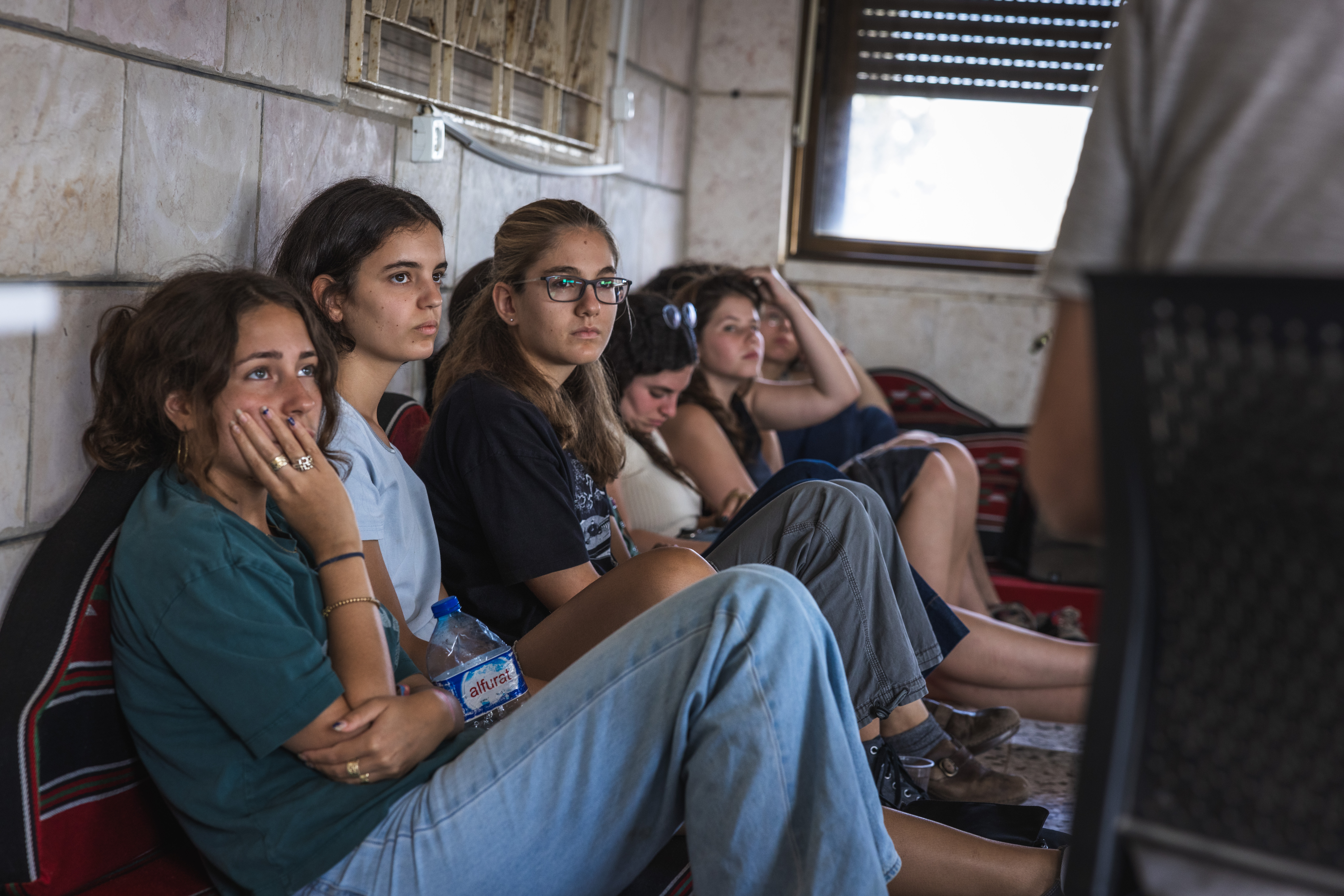
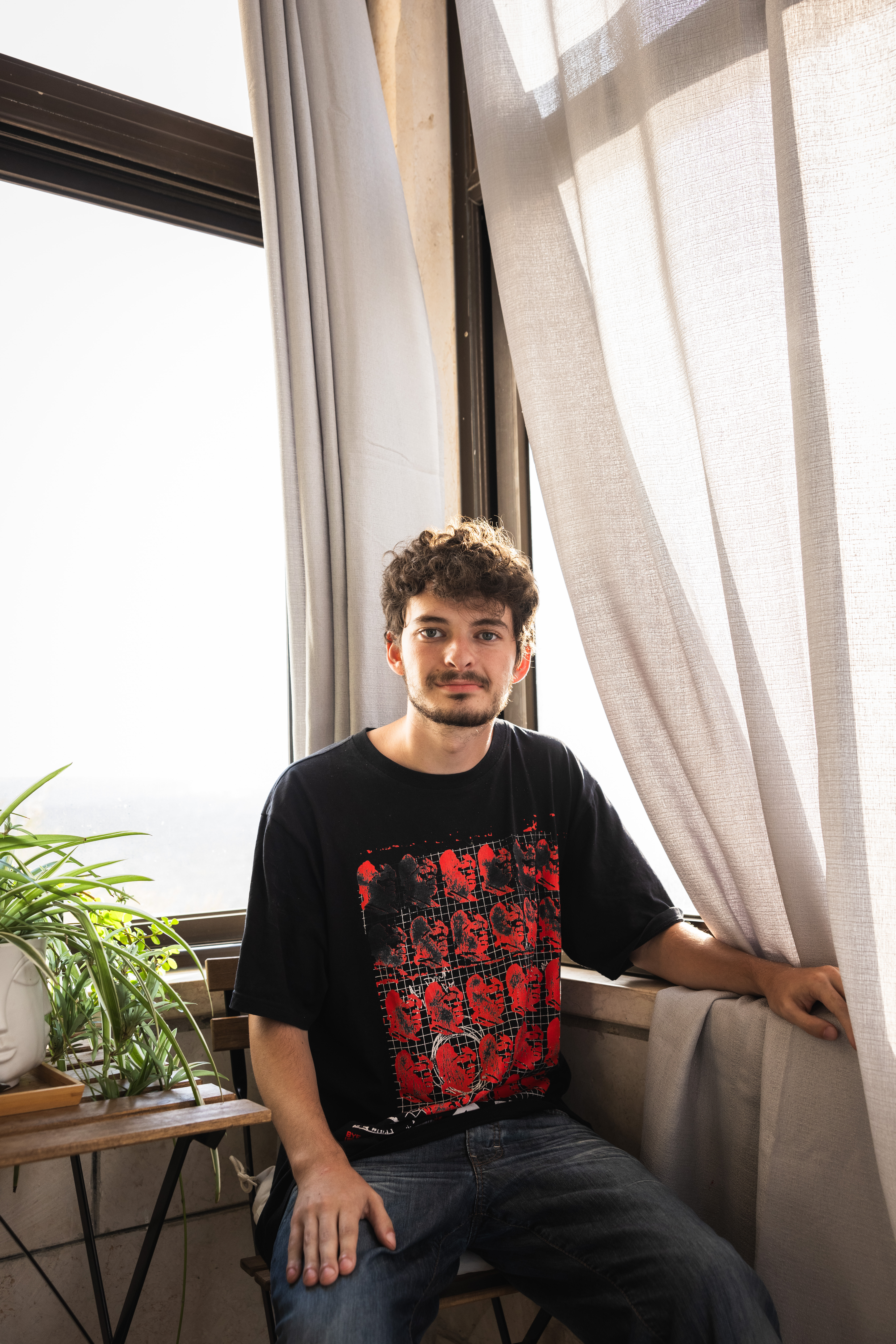
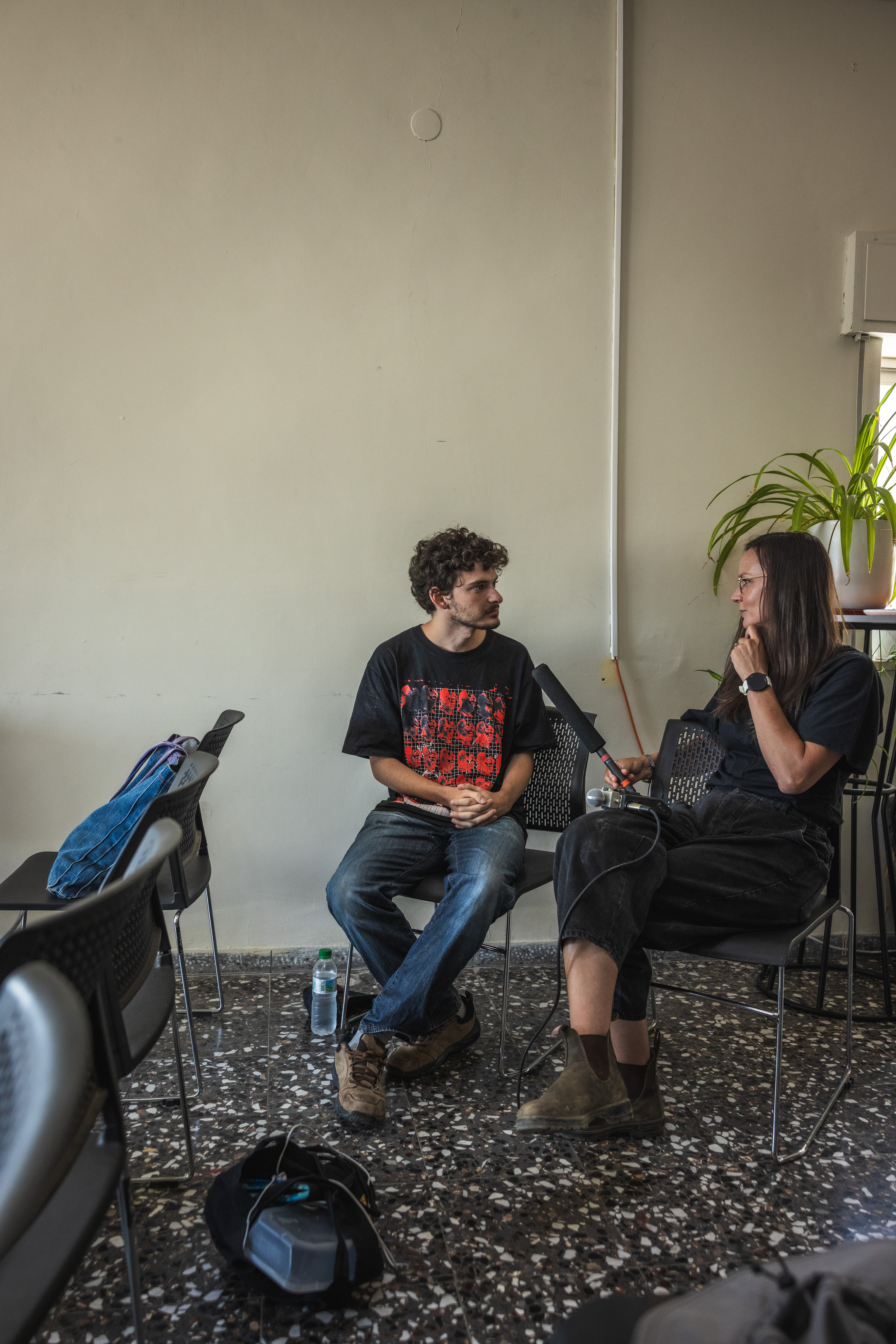
“Most Israelis—and as many Palestinians, by the way—would not last the entire movie,” says Avner. “They would leave raging. So these people, they are curious and they are uncomfortable. This is why they came here in the first place.” Koren, a delightful and especially curious Israeli student from a “very Jewish” yet left-leaning home, came seeking an alternative to violent rage and vitriol. Having attended a protest holding a sign about the Palestinian children being killed, a photo of Koren “went viral” at the school where he taught—subjecting him to online harassment and attacks. The students are learning resistance brings risk and comes at great personal cost, especially when compassion has been criminalized.
“Compassion is as instinctive as aggression,” says Avner. “But for many years now, and specifically since October 7th, we've almost outlawed compassion and hyped aggression to the extreme. I think that many people naturally feel compassion for a young child who's starving, but they have to repress it.”
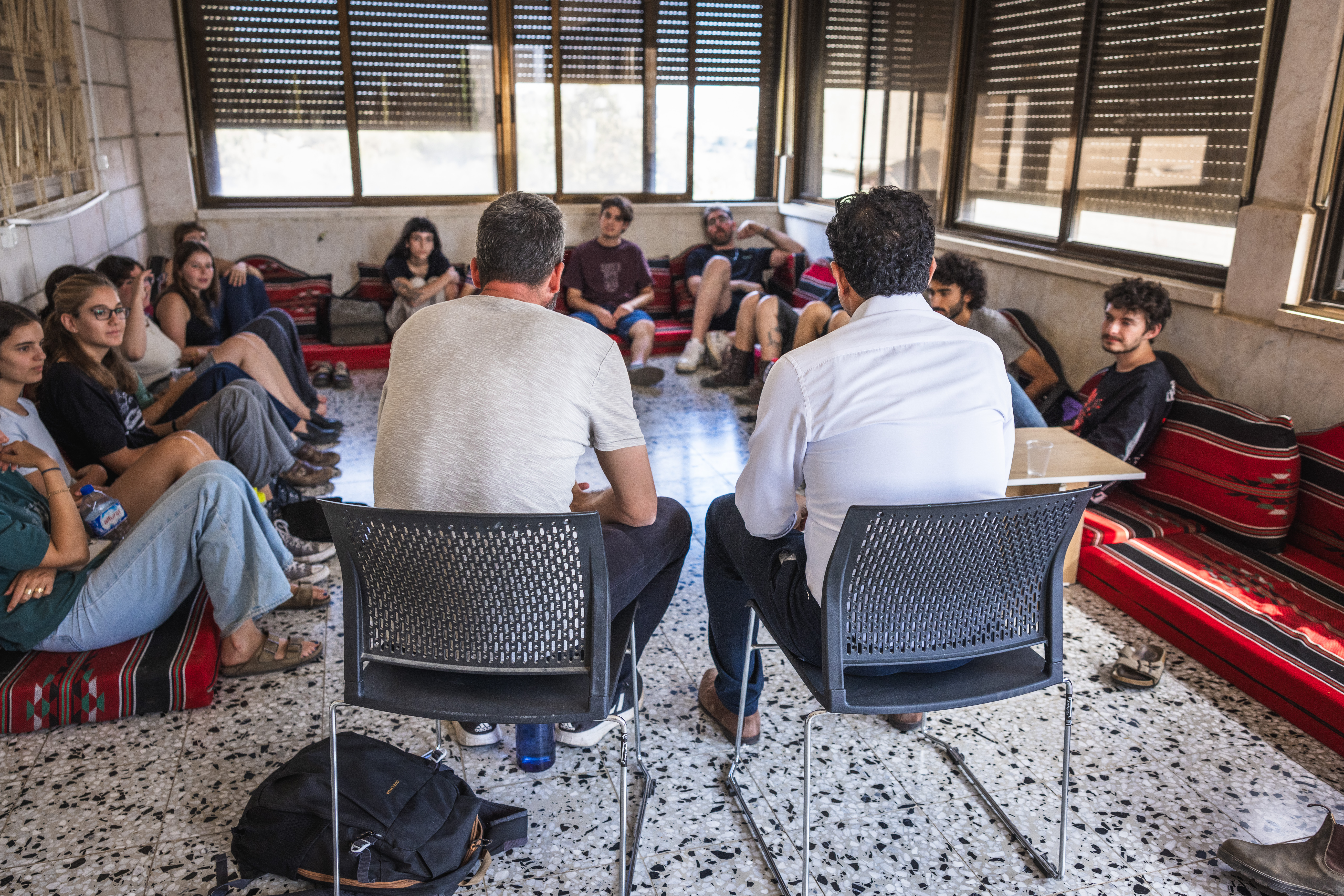
As the credits roll, the young curious souls shuffle into an auxiliary room for a discussion with Avner and another Combatants co-founder, Sulaiman Khatib.
Título del capítulo 3
El texto va aquí...
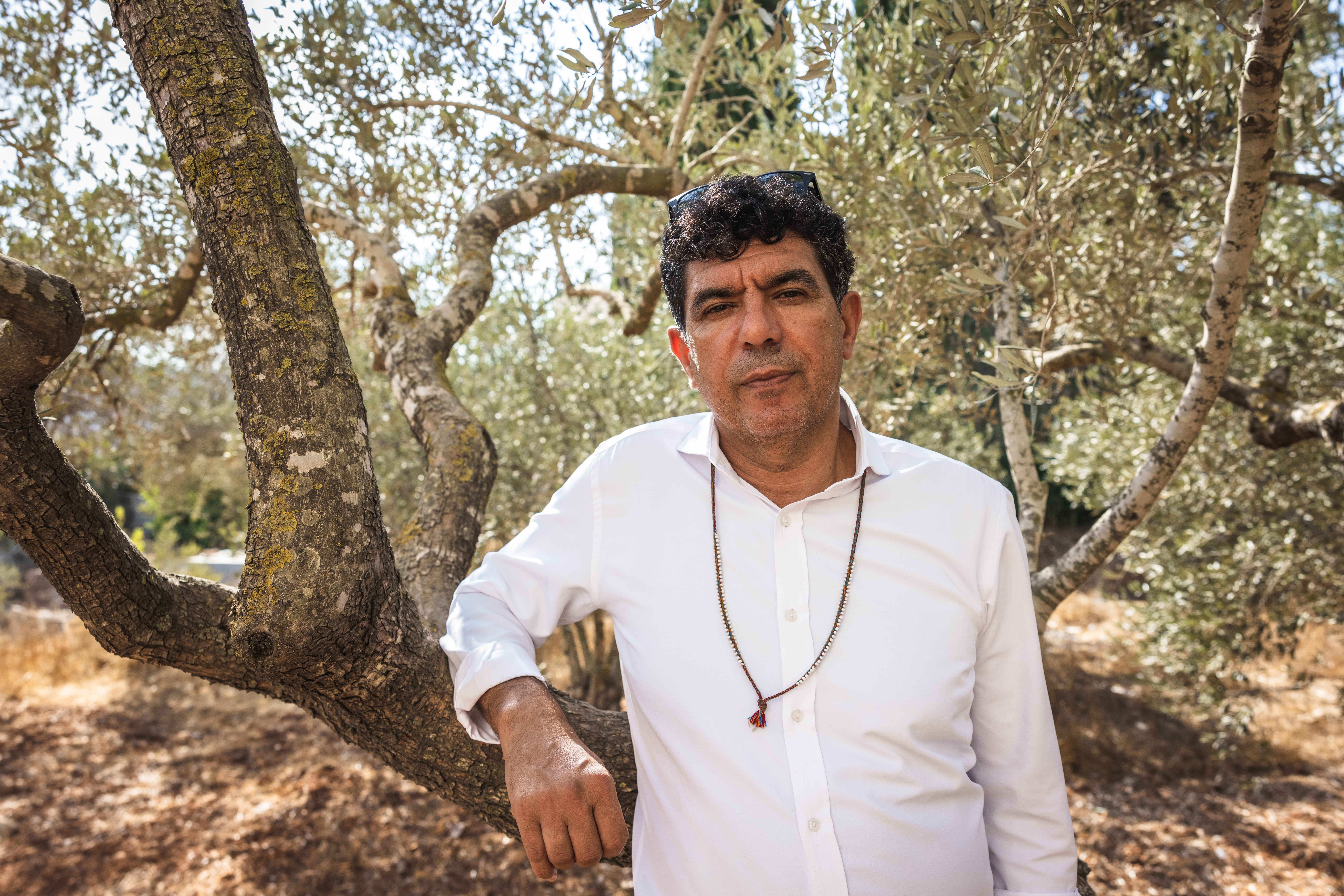
Speaking to the students now lining the walls seated on floor cushions, he is very possibly the first Palestinian many in the group will have engaged in robustly honest dialogue. A litany of barriers keep these sorts of exchanges extremely rare. “The thing about narratives and truth is very important,” Sulaiman says, “because each one of us has a story passed down from generation to generation in the family, in the community, and so on. And honestly, it feels this is the only truth. It's very uncomfortable to have space for a narrative that conflicts with your narrative… it's not easy.” But from what I can tell, this is precisely where nonviolent resistance begins—choosing to open one’s self to another person’s narrative and creating space for that narrative to exist alongside your own. It starts with listening to multiple perspectives and learning to hold those in tension, with grace.
This is not new. Indigenous Arab communities like the one Sulaiman grew up in practice Sulha, a multigenerational tradition of reconciliation. For thousands of years, tribal leaders representing various sides of any issue—be it property, heritage, marriage, divorce, theft, violence—have gathered for discussion, listening, discernment, and facilitation. And there's a process. “I grew up in this environment where you could have multiple truths and multiple narratives. That helped me through the years in jail,” says Sulaiman. “I feel freedom in that actually—I'm not limited to the narrative I grew up with.”
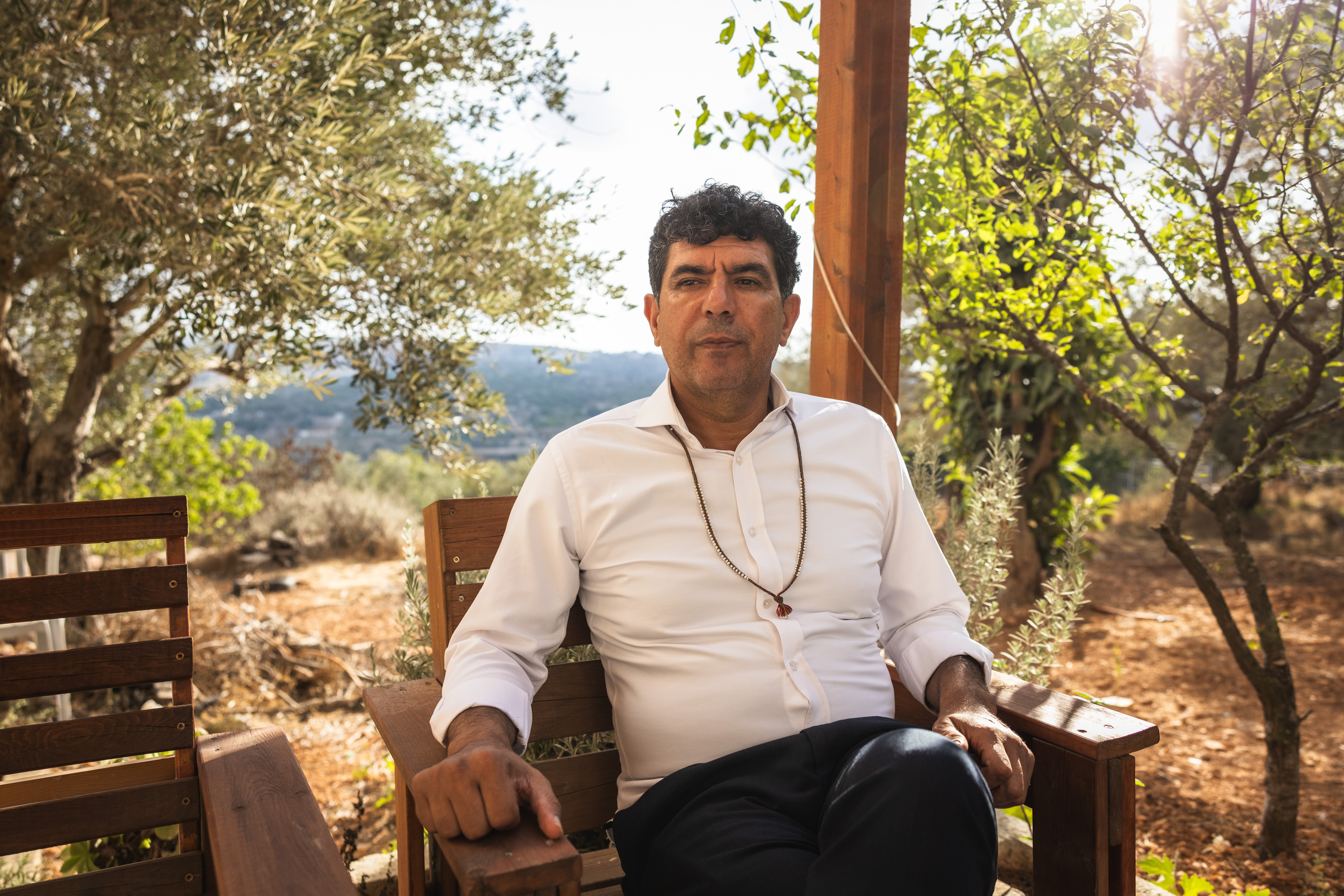
“Morally, we have power. I feel very powerful. I know from our personal experience that there is no military solution. This darkness is not healthy for anybody—it's not going to stay.”
Sulaiman Khatib, Co-Founder, Combatants for Peace
Since that earliest meeting between Sulaiman, Avner, and others, Combatants for Peace has become a leading organization in the nonviolence movement. It launched formally just after the second intifada (2000 - 2005) and before Hamas cemented its control of Gaza in 2007. Many thousands of Israelis and Palestinians have participated in its joint memorial services, protests, protective presence efforts, and educational programs during that time and the organization has twice been nominated for a Nobel Peace Prize. Here, given the dynamism and intensity of the challenges they face day-to-day, I find myself far less interested in questions of ‘impact’ than with questions of endurance, steadfastness, and their commitment to nonviolence as The Way.
Could there be a fiercer crucible than the present day war in Gaza?
Fatima now sits before the students, a translator by her side. She is 31-years-old, a peace activist, and Gazan. She graduated with a bachelor’s in social services in 2015 from a university in Gaza that has since been reduced to rubble. While a student, Fatima worked as a paramedic with the Red Crescent (“Red Cross” in the Arab world), which positioned her as a first responder on the frontlines of all sorts of crises.
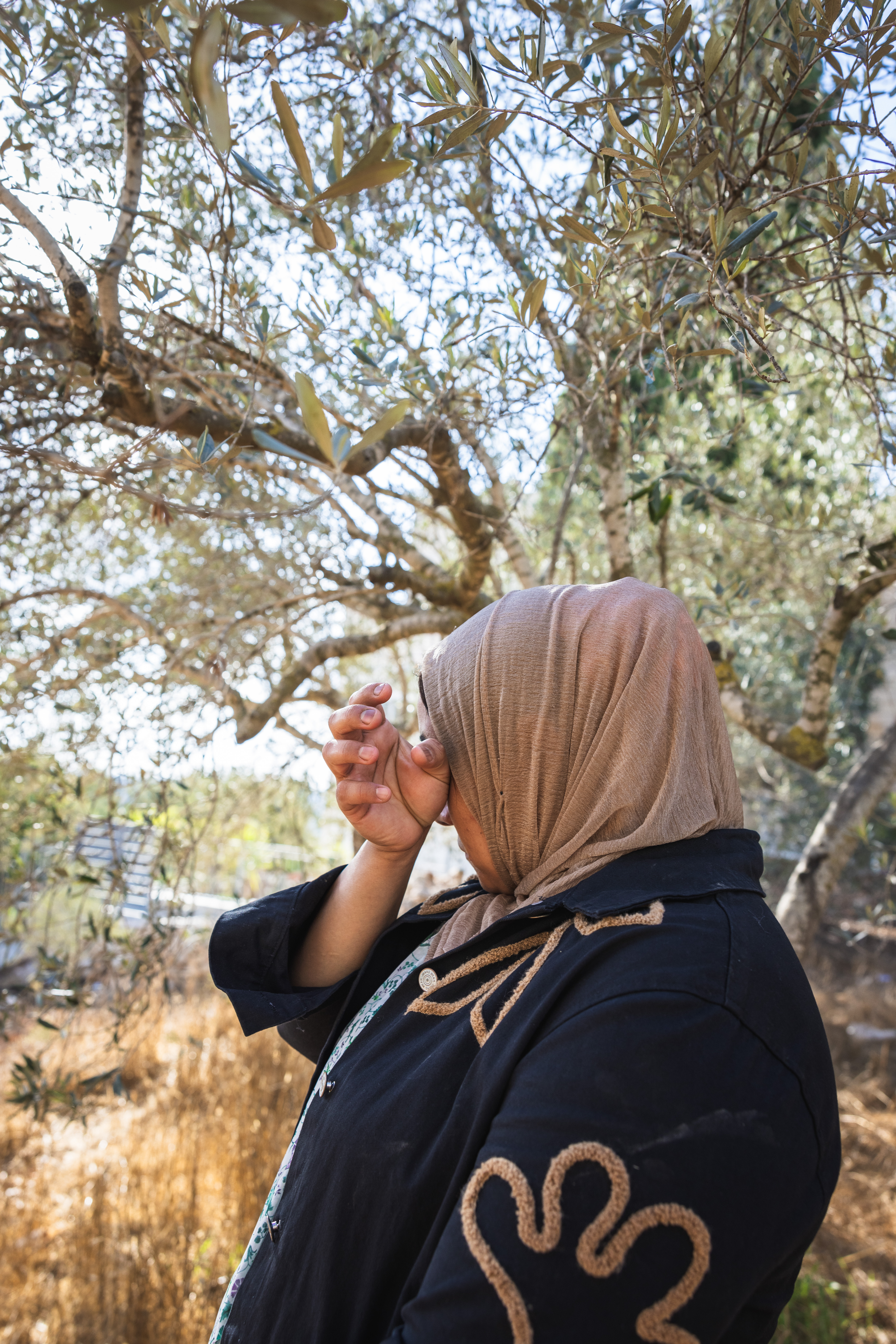
This is how she first heard the evacuation order for Nelle Street—“the area [where] we lived”—during an Israeli bombing campaign in 2014. Her entire extended family lived in the same seven-story building: mother, father, aunts, uncles, brothers, children. “Our building was targeted by missiles, by rockets, and it was demolished,” she heaves a sigh. “I worked very hard to get all the children out, my mother, my father… as many people from my family as I could get out from the rubble.” But her brother and his wife, who was pregnant with twins, couldn’t move. So she stayed with them. “I was thinking things will calm down and then I can manage to get them out,” she says.
They were hunkered down in the basement trying to coordinate evacuation with the Red Crescent and the Red Cross, but while waiting just a few minutes another missile hit and everything collapsed. They were under the rubble for eight days. With a quivering lip and streams of tears, she shares that her brother lost his leg and his wife lost the twins. “She was saying to me, ‘Where are your friends—the Israeli friends that you talk to? Where are the peace activists that you coordinate with?’” After three consecutive days of bleeding, her sister-in-law died.
“That was the most difficult thing I have ever experienced. We lost hope that we're going to survive.” She breathes for a minute. “But despite the fact that this is a very painful experience and many people lost hope, I decided to continue working for peace and to make my voice and the voice of my relatives and the voice of the wife of my brother to be heard. To talk to the Israeli activists and to talk to the young people—the future generation. I wanted to keep the hope going.”
In the decade since the horrors of that day, Fatima has worked for peace alongside many Israeli activists. One of those activists was Vivian Silver, described as a kind, courageous, and bright shining soul by everyone who knew her. Vivian lived in Kibbutz Be’eri just four to five kilometers east of Gaza and was murdered in her home on October 7th. Her story is told in the film There is Another Way by her son Yonatan Zeigen, who now continues her legacy as a peace activist advocating for equal rights and statehood for Palestinians.
“We have to keep believing. If we stop believing, we stop being.”
Vivian Silver, Israeli Peace Activist
“It's not easy at all,” says Fatima. “But I feel like every time I hear bad news from my family it gives me more motivation to continue to meet other Israeli groups. I feel like I need to talk to them. I need to give them the correct image of who we are, what we are doing. How we are breathing in Gaza, but since 2007 we've been under siege. We can't travel. We have no electricity, no water. Life is extremely difficult. So we are surviving, nothing else.”
In 2019 Fatima made the hard choice to leave Gaza and build a life in the West Bank, continuing her work as a peace activist. In the six years since she has seen her family, Fatima has married and had children. She gave birth to her second child, a daughter, the morning of October 7th, 2023.
The students hang on her every word. As their bus arrives, signaling their near departure, Fatima says, “I want to talk a little bit about the 7th of October: On my behalf and behalf of my family, we are all against and condemn what happened on the 7th of October and the aftermath.” In the onslaught that followed, Fatima’s family was displaced repeatedly and their home demolished by missiles six times. “They thought it might last for one week, one month, two months, maximum three months, but it has been three years and the bloodshed has not stopped,” she says. “Israel is killing not only the people, demolishing the stones, animals, every living thing… It’s a total genocide.”
On April 13, 2025, Fatima was watching the news reports of the morning’s bombing of the Al-Ahli Anglican Hospital—her toddler daughter in her lap. “Suddenly,” she says, “I saw my family there. I saw Hamad, Mahmud, Samia—they were all covered with blood and dust. And then the cameraman focused on the wife of my other brother—she was carrying her daughter, who's 13-years-old—I saw that they were cutting her legs without anesthesia.” Fatima doesn’t know what happened next, except that she lost consciousness. It was 30-40 days before she could communicate with her family and understand what happened. “I keep those pictures in my mobile because in a way they give me more strength. I don't know how,” she admits. “I honestly don't know where I get this power to continue. But I always do hope that one day we'll talk to someone whose conscience will be awakened and will do something to stop this massacre.”
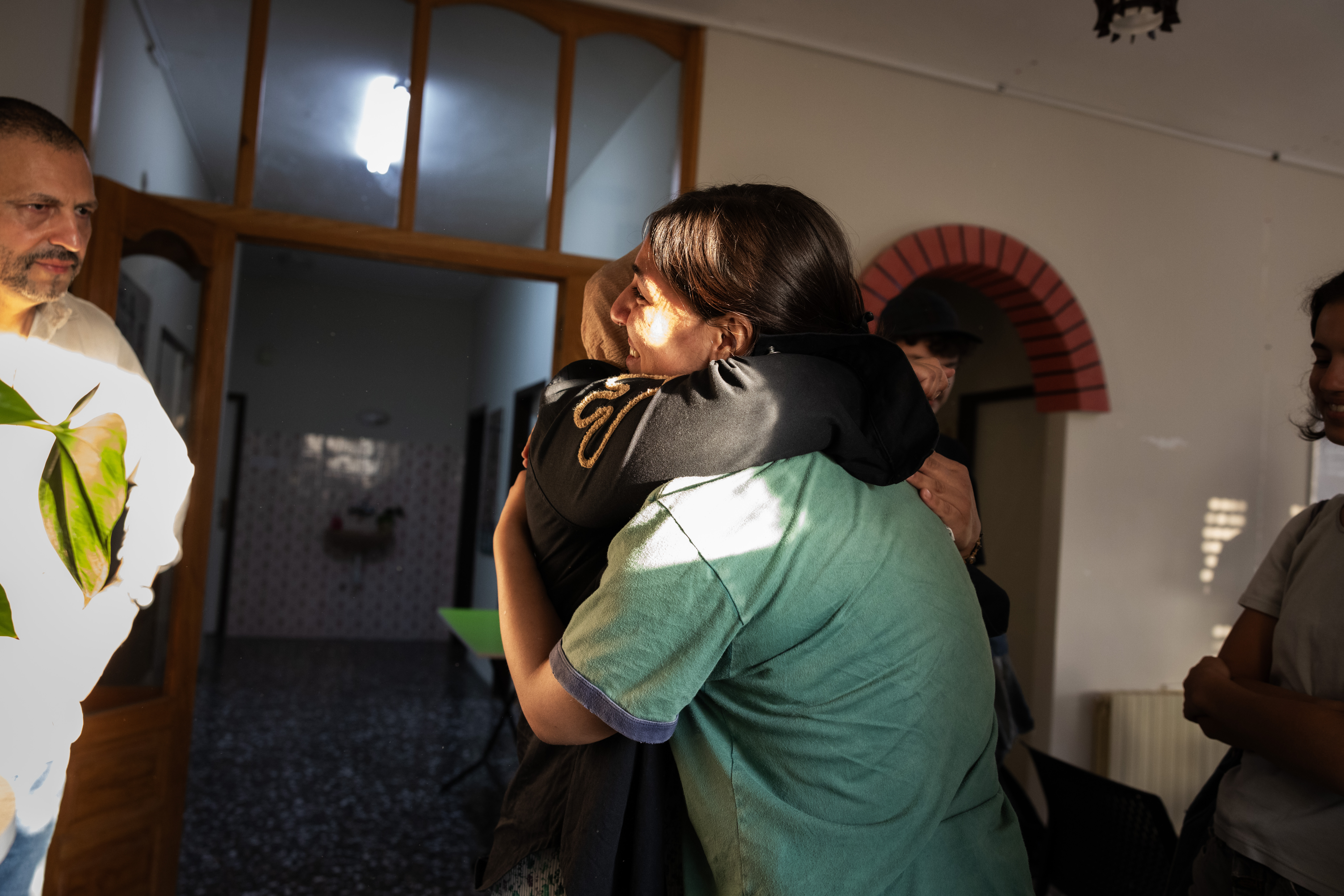
Right then and there, a seed of hope is planted. The students all queue to convey their appreciation. “Can I give you a hug?” asks one especially tender soul. I watch as my Muslim, Gazan sister—a beautiful, courageous woman advocating for basic, equal, human rights—transforms her pain into a cornerstone for the better future we all long for and offers a more dimensional narrative for these young people to carry with them. With tears seen and unseen, streaming inside and out, she embodies the hope for a land and a future free from the rubble of hatred and toxicity of violence.
“My last wish is for this war to end, for Hamas to release the prisoners, for Israel to stop the war, and for us to live together in peace.
Fatima, Peace Activist, Combatants for Peace
Título del capítulo 4
El texto va aquí...
I text Ahmed. “We don’t know,” he replies. “We are still very worried for our future, the future of the Palestinian people.” Ahmed is of Gazan heritage though he grew up in Jericho. Like most all Palestinians, he grew up hearing the stories of his parents and grandparents’ forced displacement and the ceaseless violence they’ve endured. A righteous anger fueled young Ahmed to join the resistance. At 10 years old he used the tools available—tires, sticks, and stones. At 15, he joined Hamas and began making Palestinian flags, which were then illegal. At 20, he was imprisoned. While there, in 1993, the Oslo Accords were signed in Washington, DC. “The day before, we were enemies,” he says. “We threw stones and shot bullets against each other. The day after, we became friends. We exchanged flowers and shook hands.”
With a fresh promise of peace, Ahmed returned from jail determined to help his society in positive ways. He became an ambulance driver with the Red Crescent and took courses in first aid, leadership, and communication. He organized other young people to volunteer in schools, nursing homes, and hospitals. In 1996, during violent clashes in Jerusalem, Ahmed responded to a call. As he scooped a collapsed young man into his arms, recognizing him as a childhood friend and running him to the ambulance, Ahmed was shot from behind. He very narrowly survived—his grave preemptively dug by his friends and family in case his fate were to be the same as the friend he had carried. This he says with a gentle smile and the bullet still lodged in his neck 30 years later.
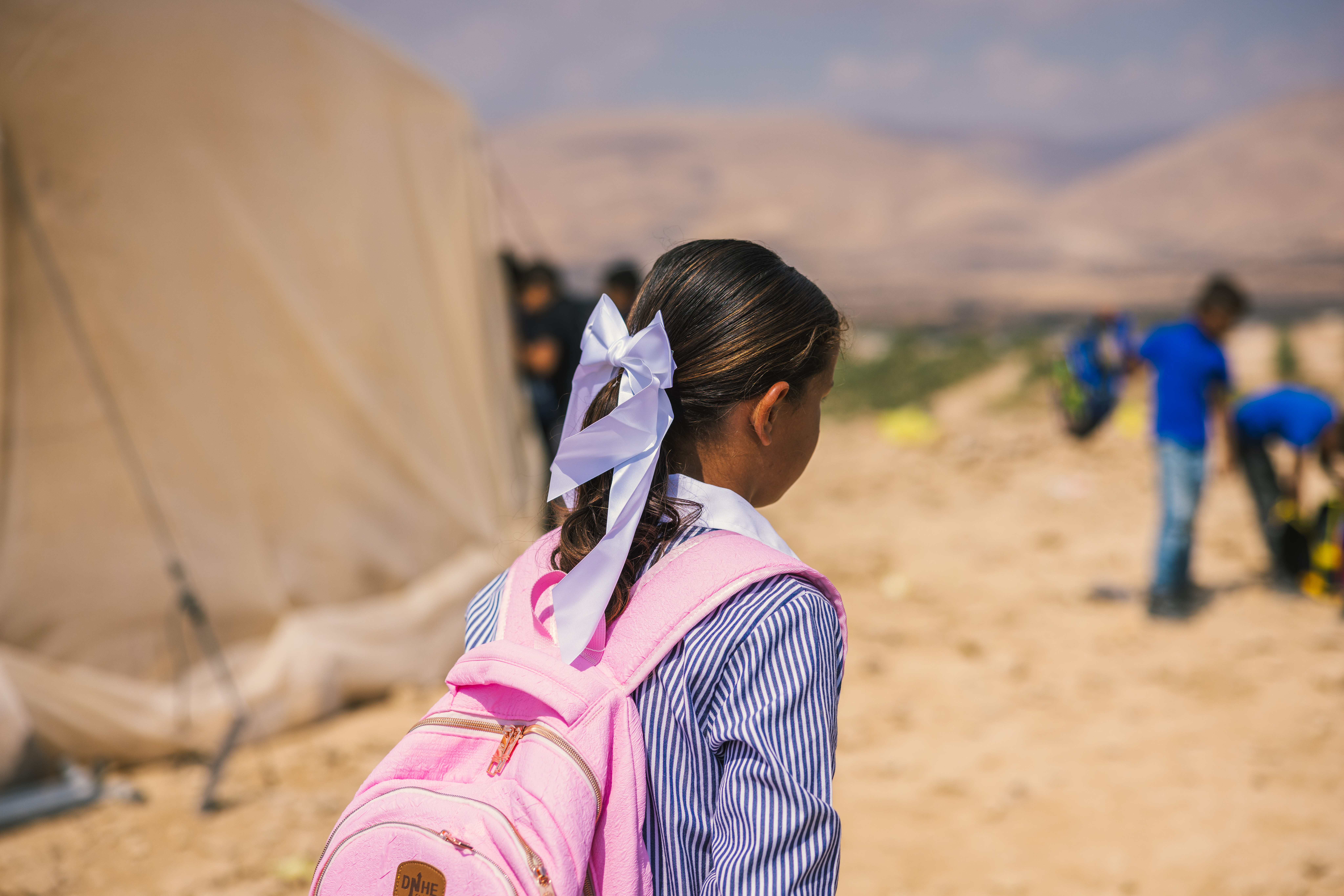
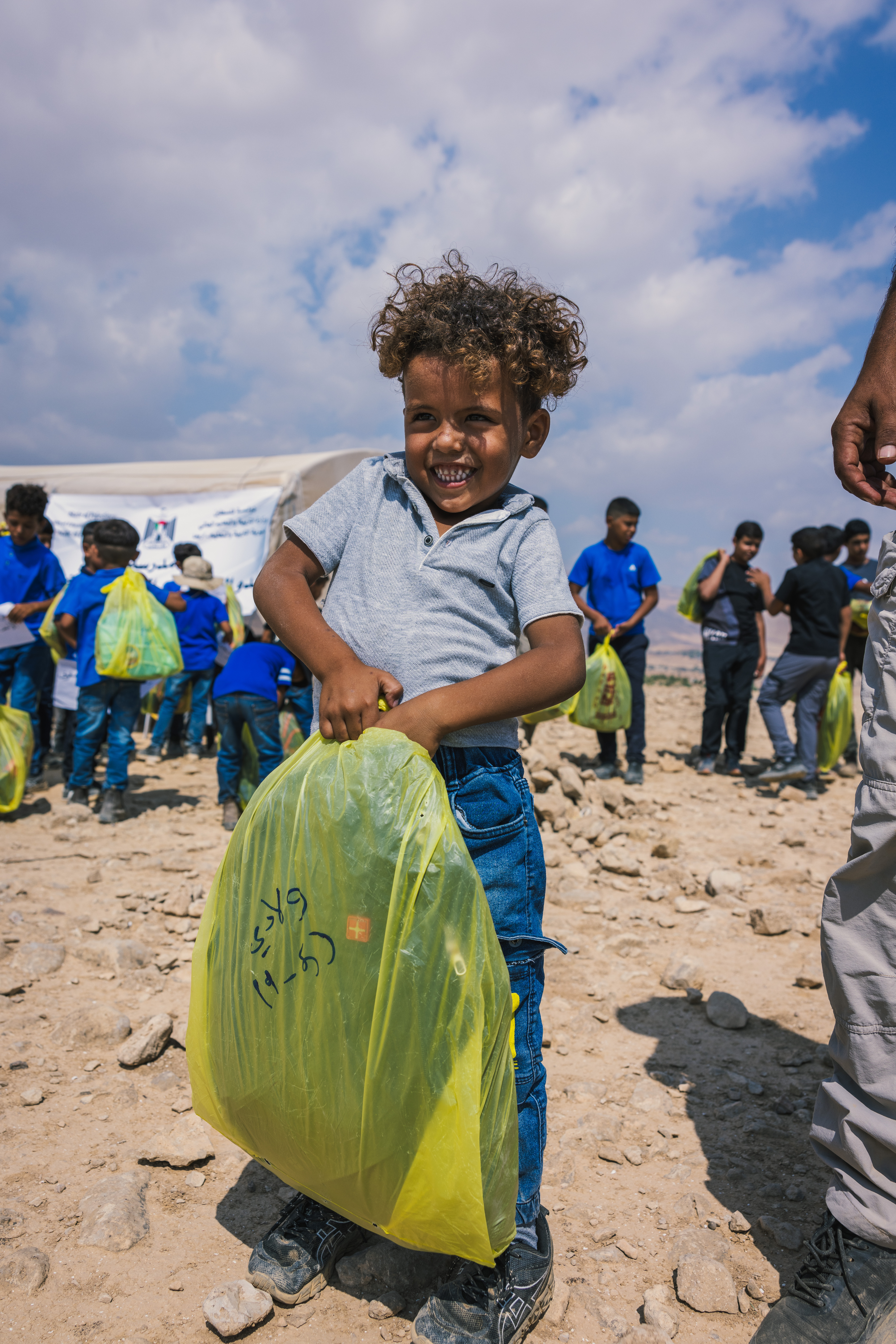
As Ahmed warns, this is a fragile and uncertain ceasefire with much left to be decided, including who, exactly, will decide it. And still there are daily bombings, food shortages, and body counts.
There have been many ceasefires over the years, strung together by endless broken promises. There is no trust, only wary hope. This is a repeated refrain amongst the 50 activists gathered for a daylong seminar hosted by Combatants. Forming one large circle, the group is a miraculous blend of women and men, young and old, Palestinian and Israeli, Muslim and Christian, Jewish and agnostic. I sit flanked by twentysomethings—on my left, Orí, his first day of activism; on my right, Niha, a stylish, multilingual super-activist who kindly translates for me.
Mushon, a professor of design and a representative of A Land For All, is co-leading a workshop: “The future is the most vulnerable place you can be. And this is the place we're trying to get into today. We're going to make the future clearer and make it possible to see in the dark.”

Over the course of a few hours, Mushon and his colleagues lead the group in the imaginative work of future-building. On a table at the back of the room lie stacks of blank illustrations next to baskets of multicolored markers. As The Future is Not What It Used to Be by Mickey Newbury plays on Spotify, the minds in the room try to teleport to the distant future and imagine the texts they’re sending to their mother, sister, brother that day, or the future map with its borders and routes, or news notifications with headlines popping. What do you imagine in the future?
Later, Mushon invites the group to share their answers and place them on taut lines of string running from “now” to “80 years from now” and on a vertical spectrum of positive (ie something we want to happen) or negative (something we want to prevent from happening). One young woman shares a text she had imagined sending to her mother, “We are leaving Bethlehem now and will see you in Tel Aviv very soon. Can’t wait to have dinner with you by the sea!” This she hangs as a hope on the string, 80 years from now.
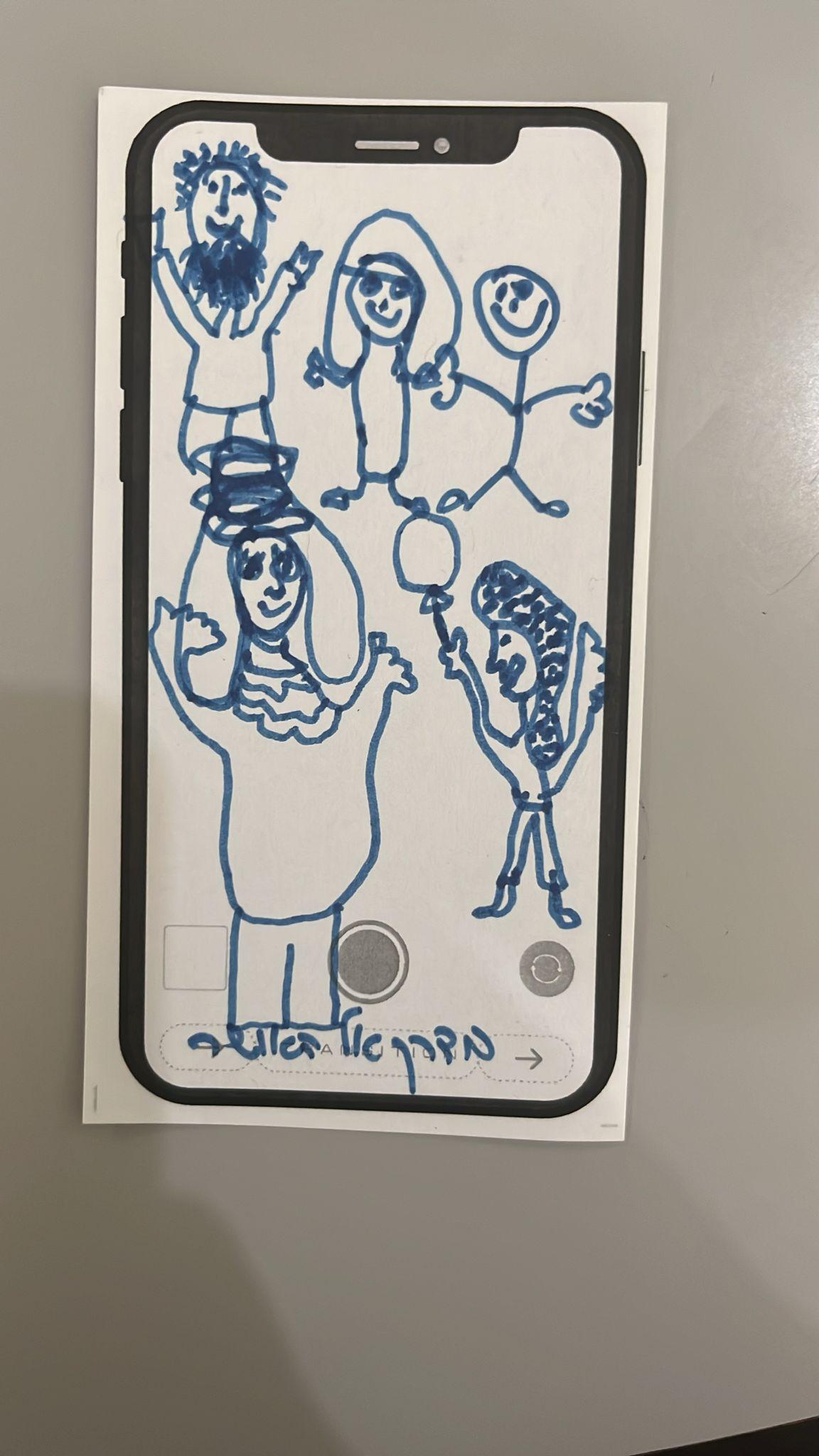
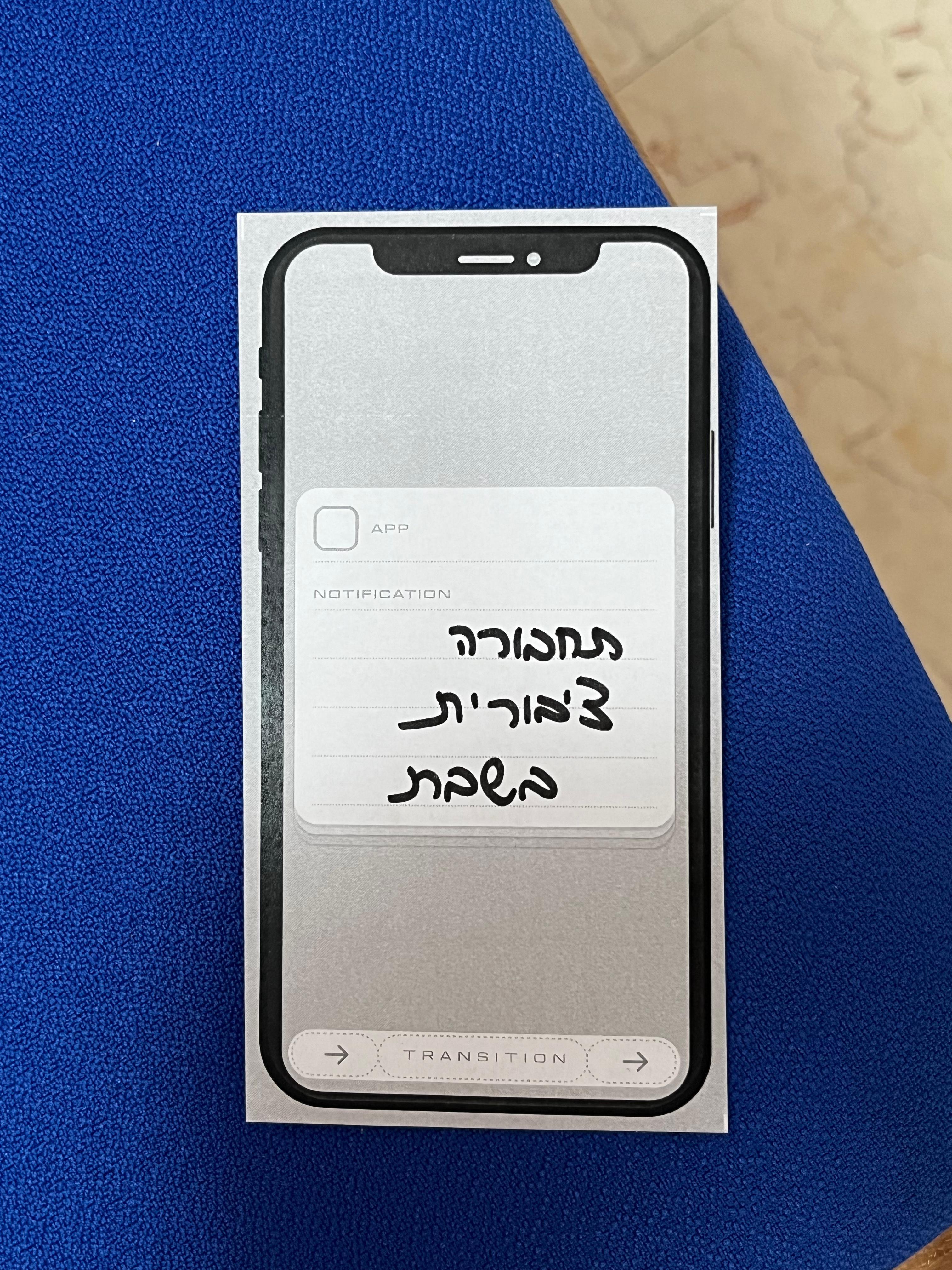
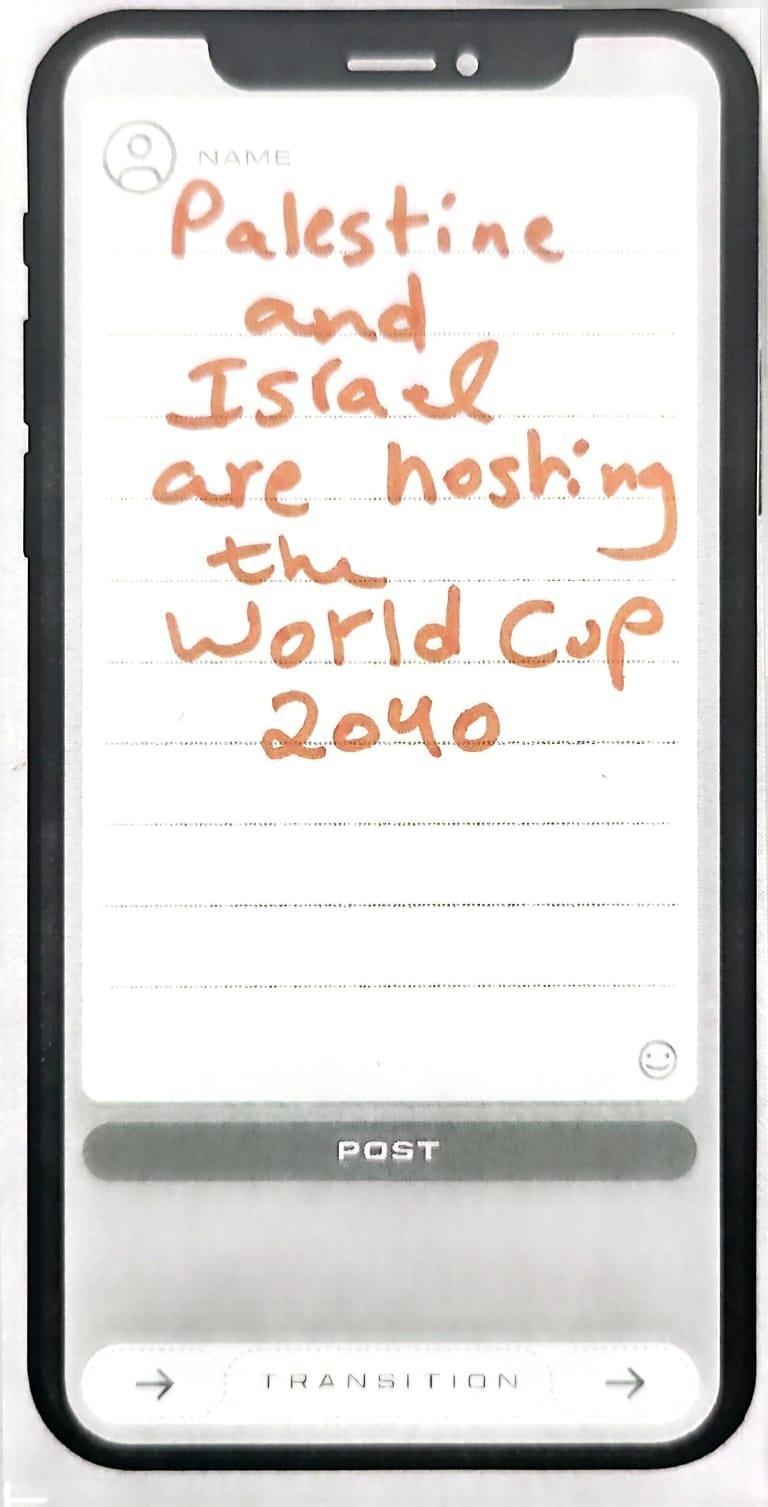


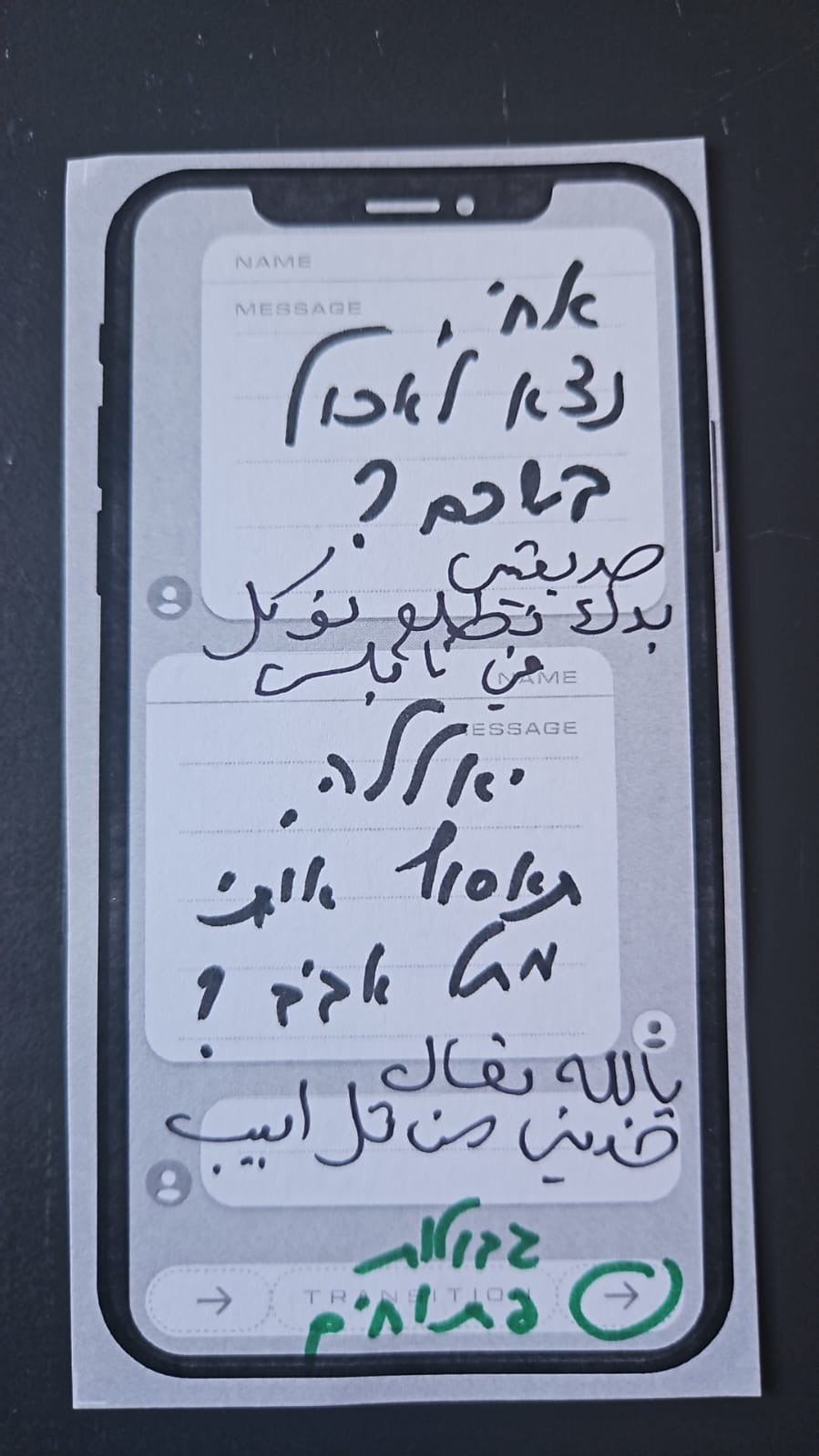
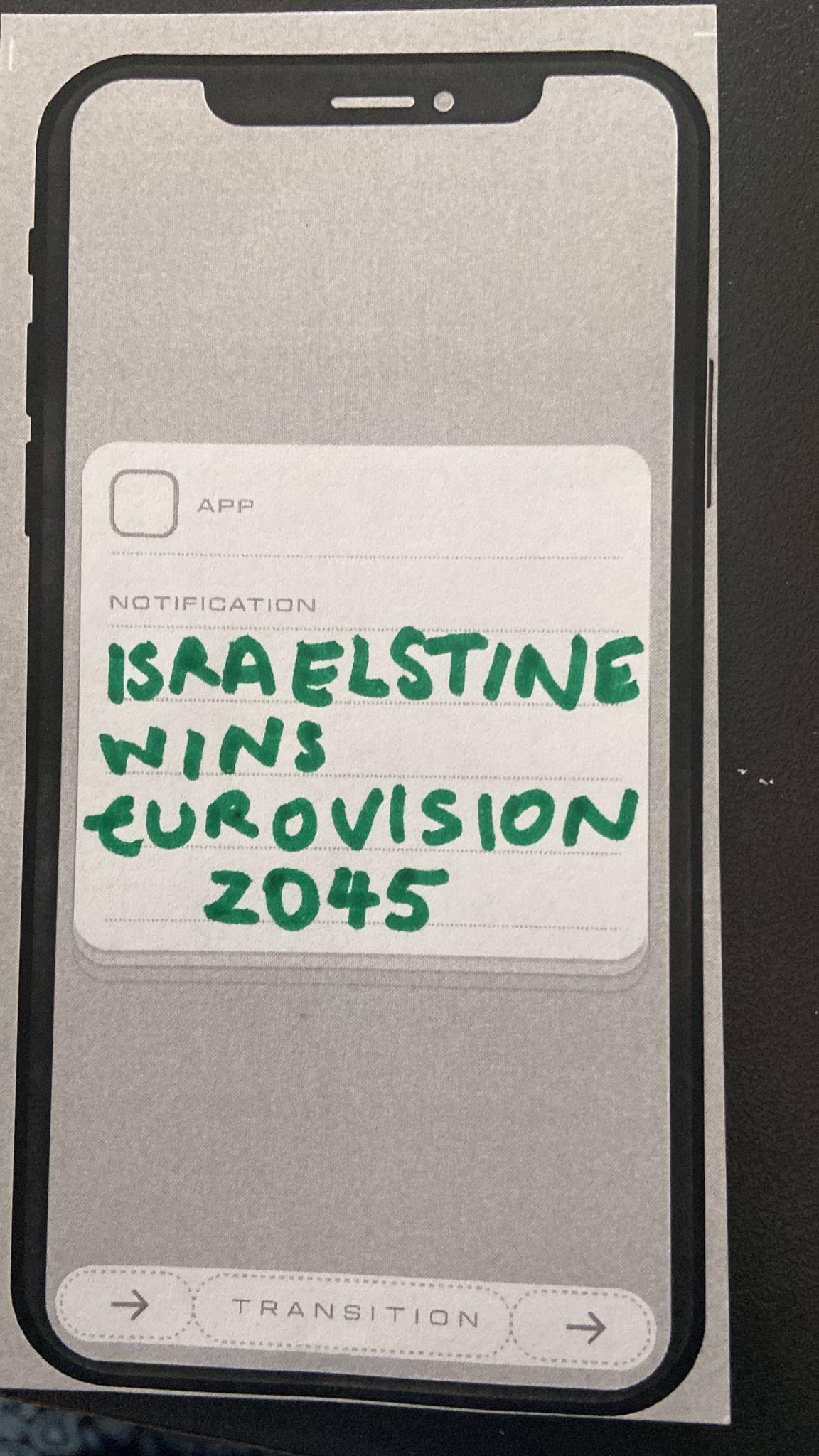
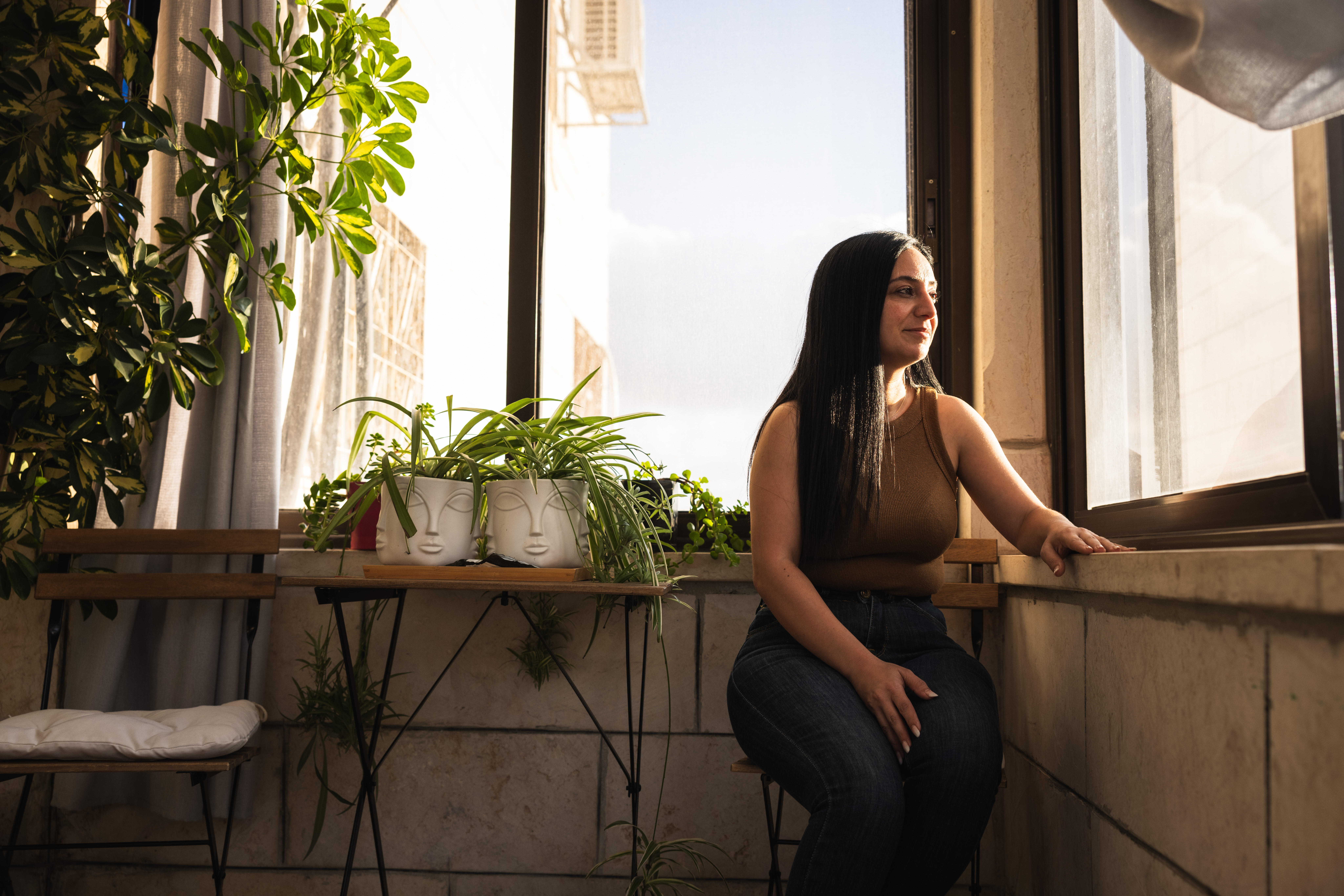
The dreams and desires are remarkably simple, human, and basic. They are relational and involve movement, which requires some context. More than 1,000 yellow iron gates have been surreptitiously installed throughout the West Bank over the course of the war in Gaza, blocking roads and making travel between Palestinian villages, towns, and cities much, much more difficult and time-consuming. “Bethlehem is now like a ghetto, surrounded by a separation wall,” explains Rana Salman, Palestinian Co-Director of Combatants for Peace. “It scares me where we are heading and the restrictions that are being imposed, how difficult and controlled our lives are going to be. It's a reminder that we are not free.”
The dreams and desires are remarkably simple, human, and basic. They are relational and involve movement, which requires some context. More than 1,000 yellow iron gates have been surreptitiously installed throughout the West Bank over the course of the war in Gaza, blocking roads and making travel between Palestinian villages, towns, and cities much, much more difficult and time-consuming. “Bethlehem is now like a ghetto, surrounded by a separation wall,” explains Rana Salman, Palestinian Co-Director of Combatants for Peace. “It scares me where we are heading and the restrictions that are being imposed, how difficult and controlled our lives are going to be. It's a reminder that we are not free.”
Though Rana has been Co-Director for four years, the events of October 7th thrust her into a new international spotlight with CNN and many major media outlets clamoring for perspective. “I had to take a decision to be courageous or to be a coward,” she says. “The world was waiting to hear from us, waiting for us to say something.” Since then Rana has become the face of the organization. “Sometimes it scares me because when somebody is violent Israel knows how to deal with it. When somebody is nonviolent, it creates a threat for Israel, so… that's even more scary.”
“Our future is intertwined. When we are struggling for freedom, it's for our collective liberation—not just for the oppressed but also for the oppressor,” says Rana. “We know that we're both remaining on this land—Israelis are not going anywhere, Palestinians are not going anywhere. So we need to find a way for both people to live here with security, dignity, freedom, equality, and justice.”
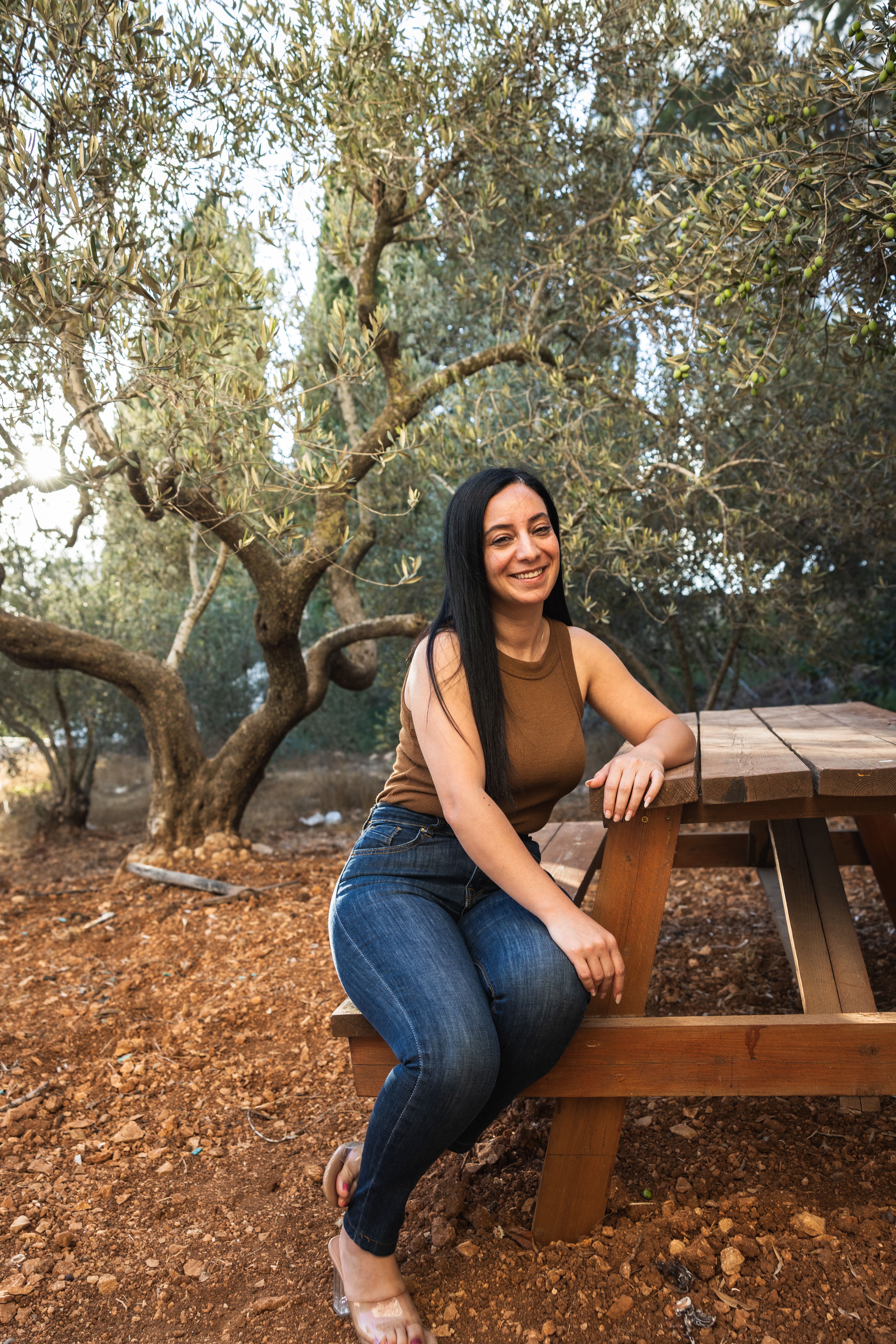
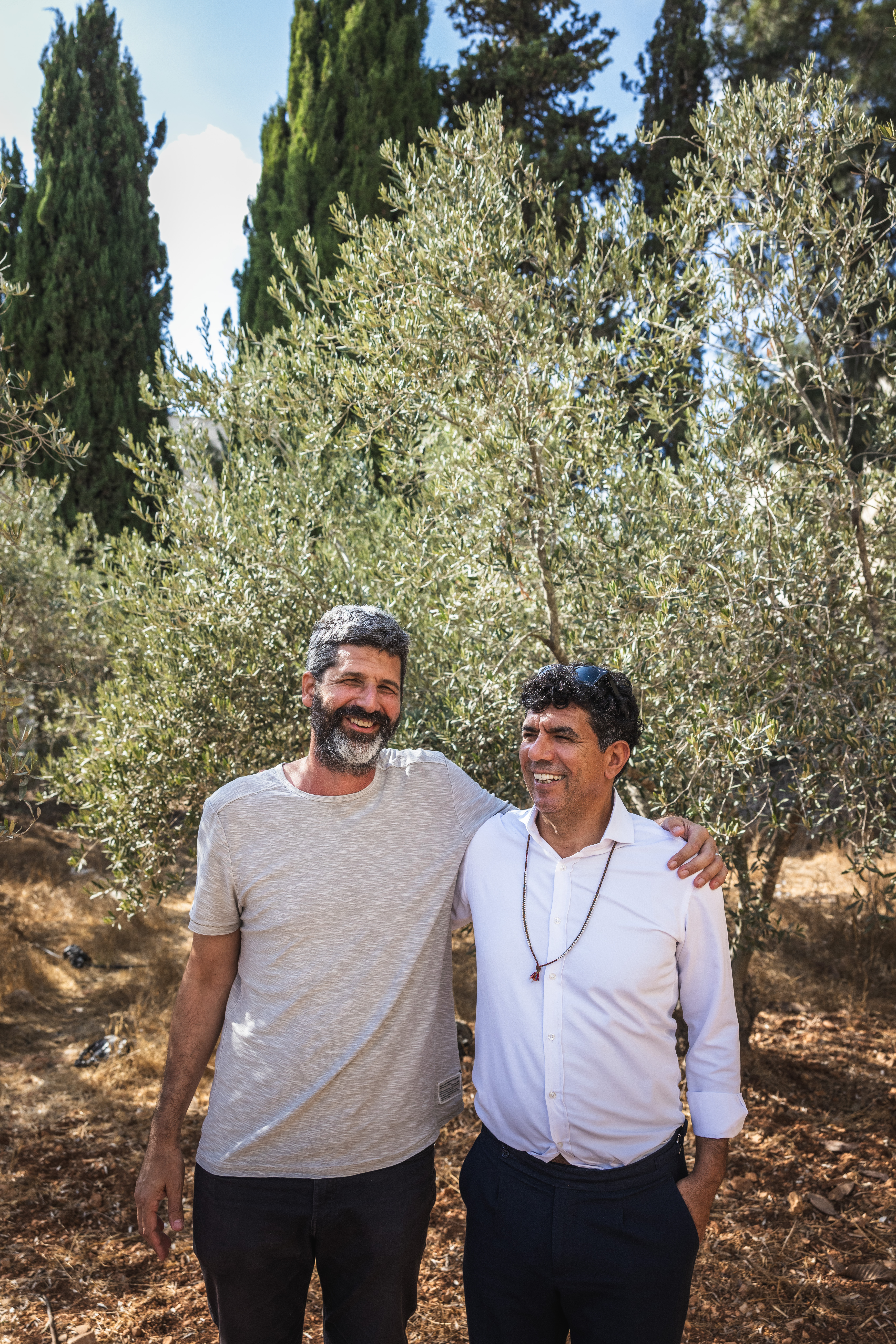
“What we are trying to do is what we call rehumanizing. It's like emptying the ocean with a teaspoon, but that's what we can do right now.”
Avner Wishnitzer, Co-Founder, Combatants for Peace
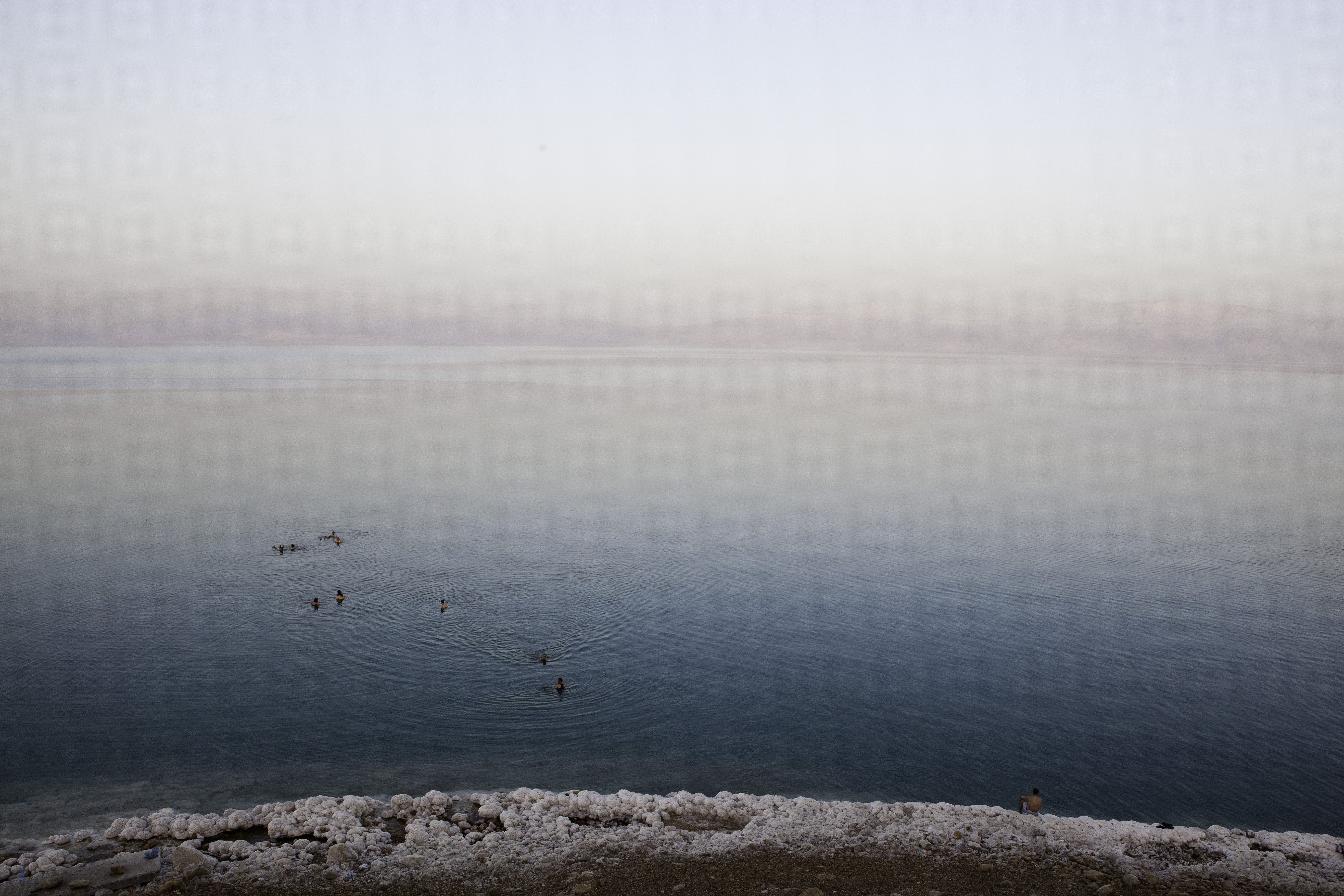
As the sun drops below the horizon line ushering in Shabbat, I taxi from the seminar in Bethlehem to the lapping shores of the Mediterranean Sea in Tel Aviv. I plunge my feet into the warm sand and seek out one of the bright orange adirondack chairs peppering the beach, eager for the freshly shaved shawarma I’ve brought with me from the shop on the corner. As I watch the waves fold over themselves in unrelenting rhythm, I feel the sadness of the sea wash over me—all the suffering it has seen and swallowed in my lifetime, to say nothing of its lifetime. My mind turns to the activists who just hours earlier named this very scene—this moment I’m living—as their 80 year dream. The journey I just made the symbol of their better, freer future that we all hope for. I think again of their requests of the international community, of which I am a part:
“Choose the side of humanity,” says Eszter. “I know that, especially looking at the situation from the outside, it's very easy to choose sides. But what does good for all of us is to advocate for just peace, accepting that we are both staying here—which is possible. We embody it on a daily basis.”
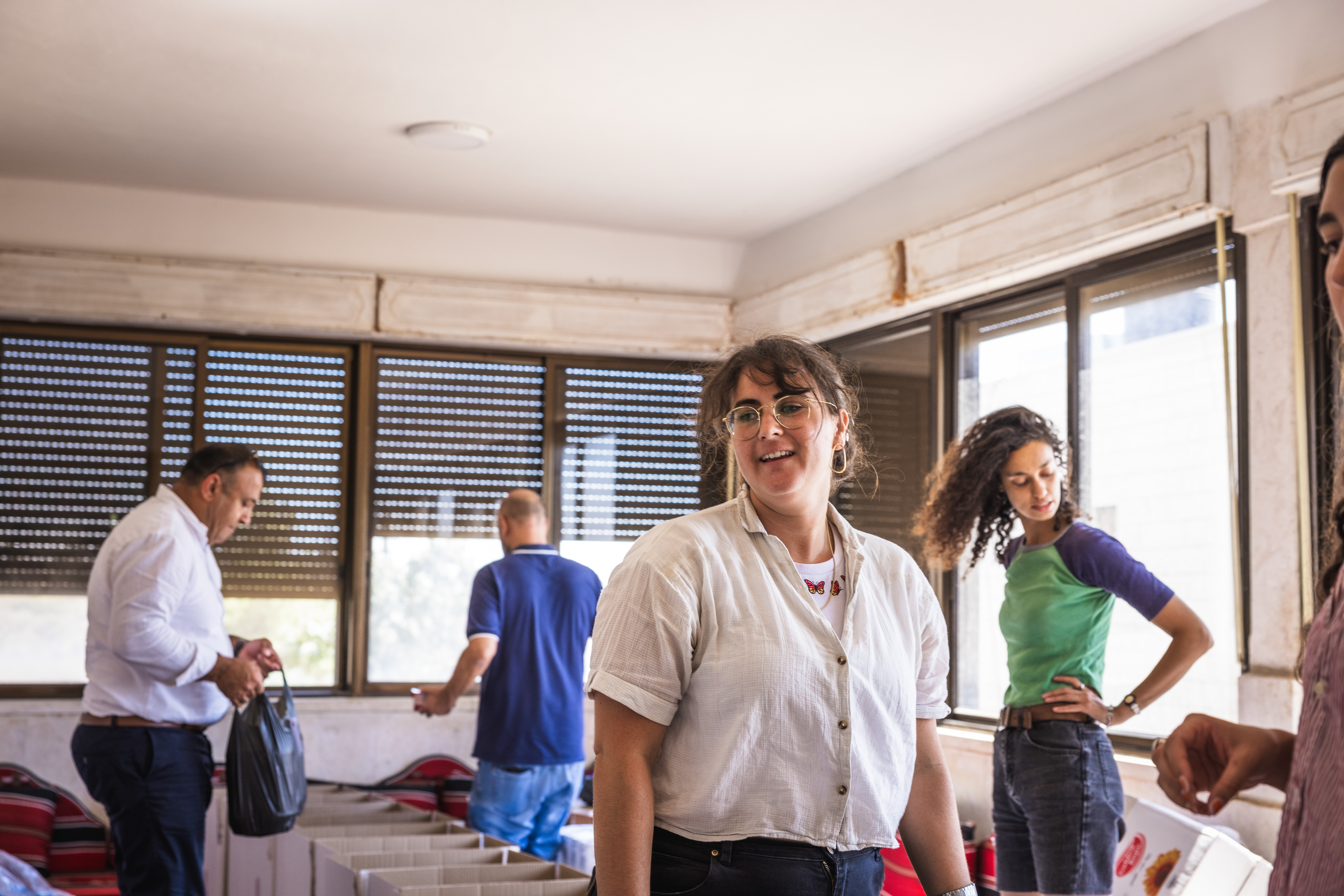
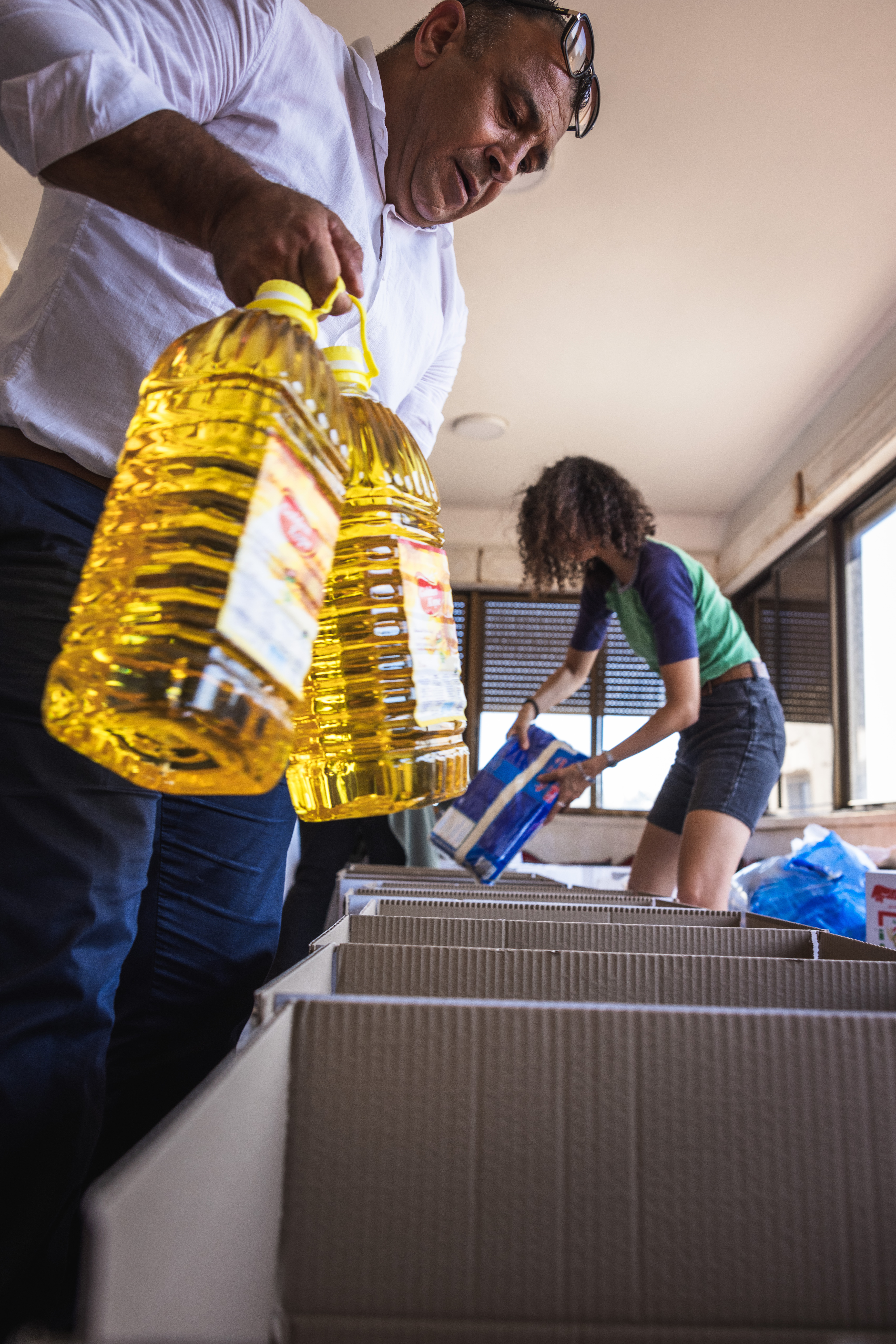
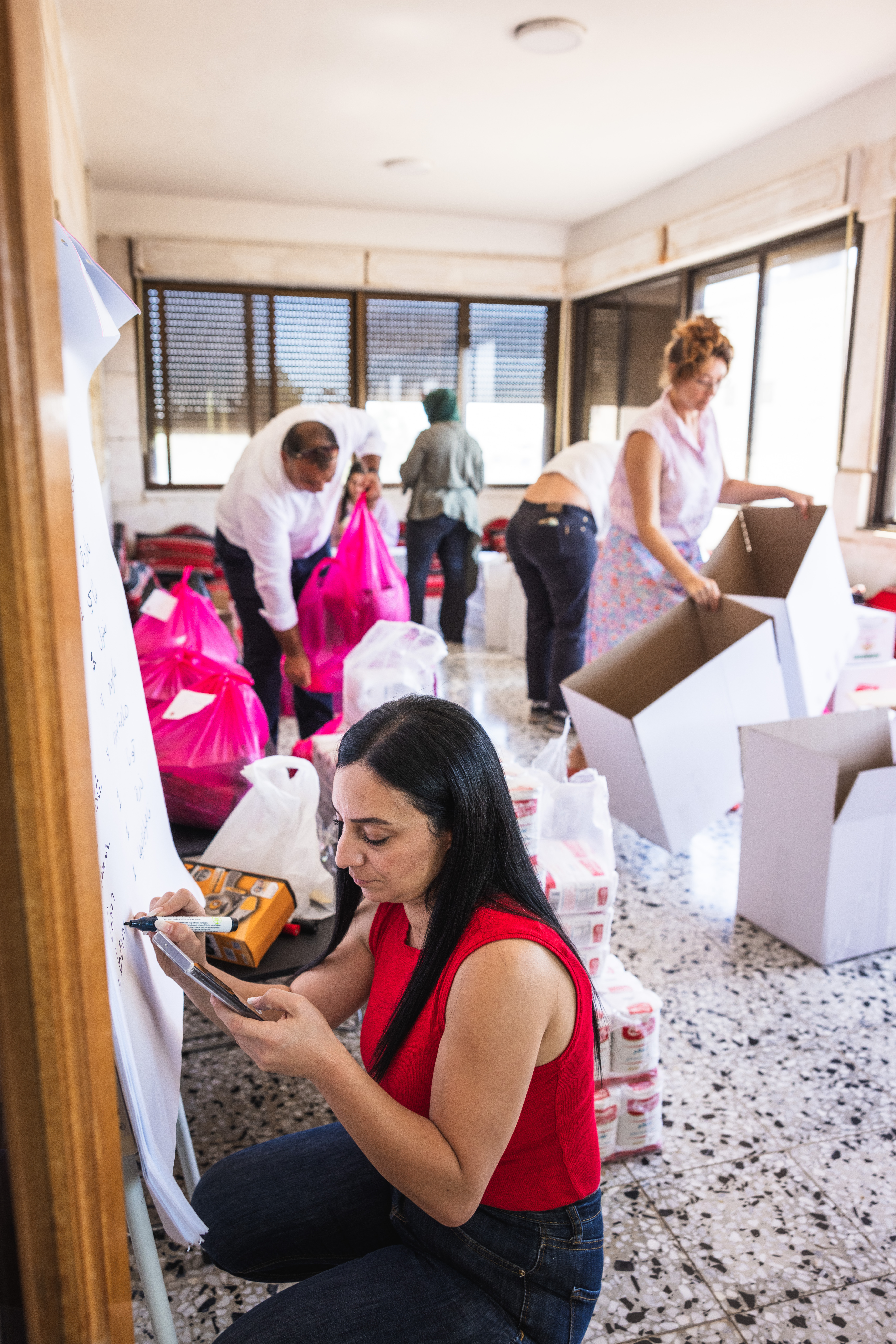
“Don’t talk about us without us,” says Rana. “If you want to be part of the solution, you need to hear all the voices of people involved and affected by that conflict. And we need to be part of the discussion whether you agree or not. Everybody who lives here needs to be involved in the peace process.”
Alongside Rana and Eszter, Sulaiman and Avner, Elie and Kai, Fatima and Ahmed, Koren and Orí, may we not be pacified too easily and satisfied too early, or neglect the decades and generations of narrative shift and relational work needed to ensure a future that’s not a mirror of the past. May we muster the courage and capacity to stay in the conversation long after the cameras turn away and the headlines taper. May we not abandon them as they continue to call injustice and systems of oppression to account.
For this, may the international community resist the voices that fuel vengeance, oppression, violence, and occupation, seeking instead the voices that advocate for the mutual flourishing of all the people of the land. For life.
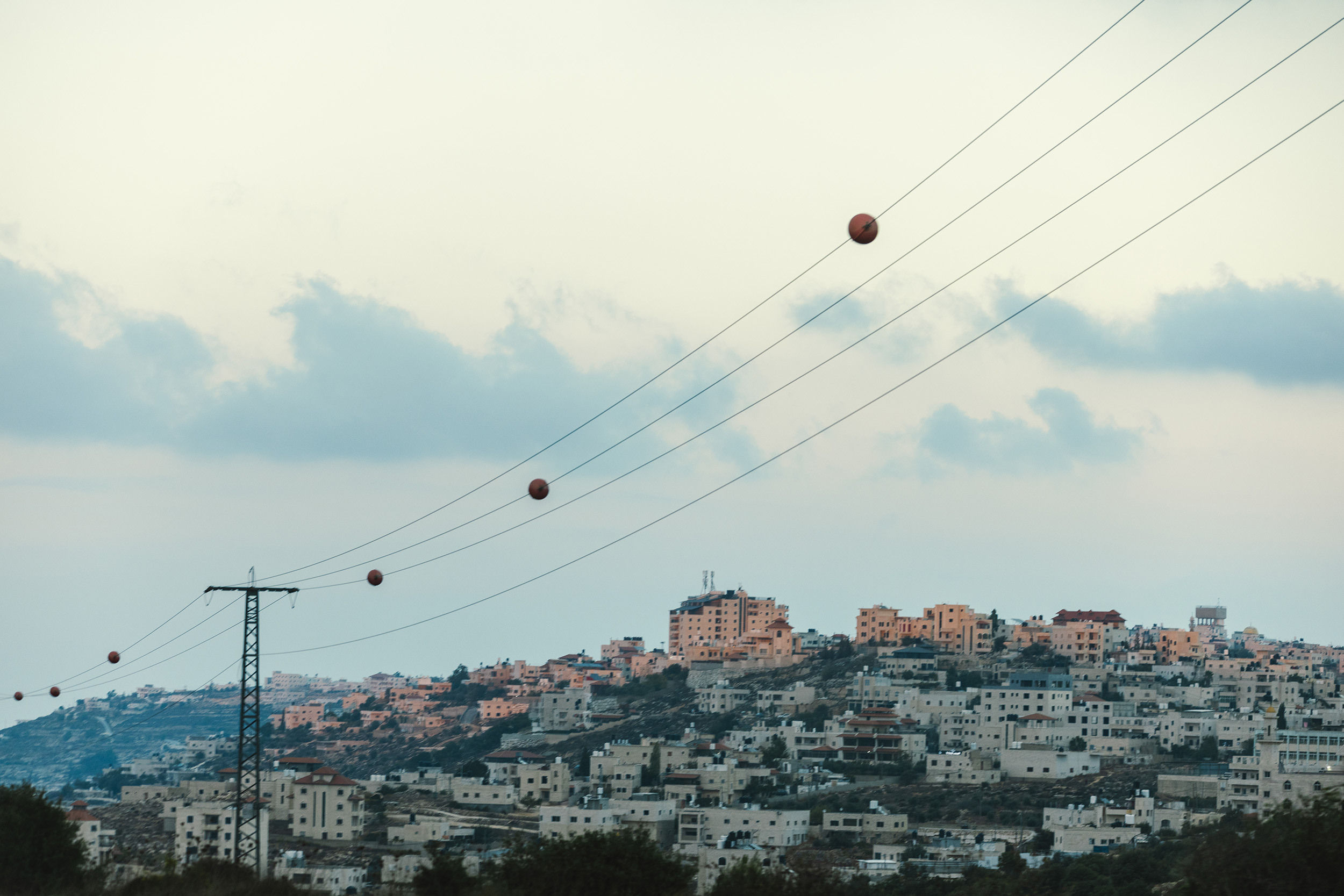

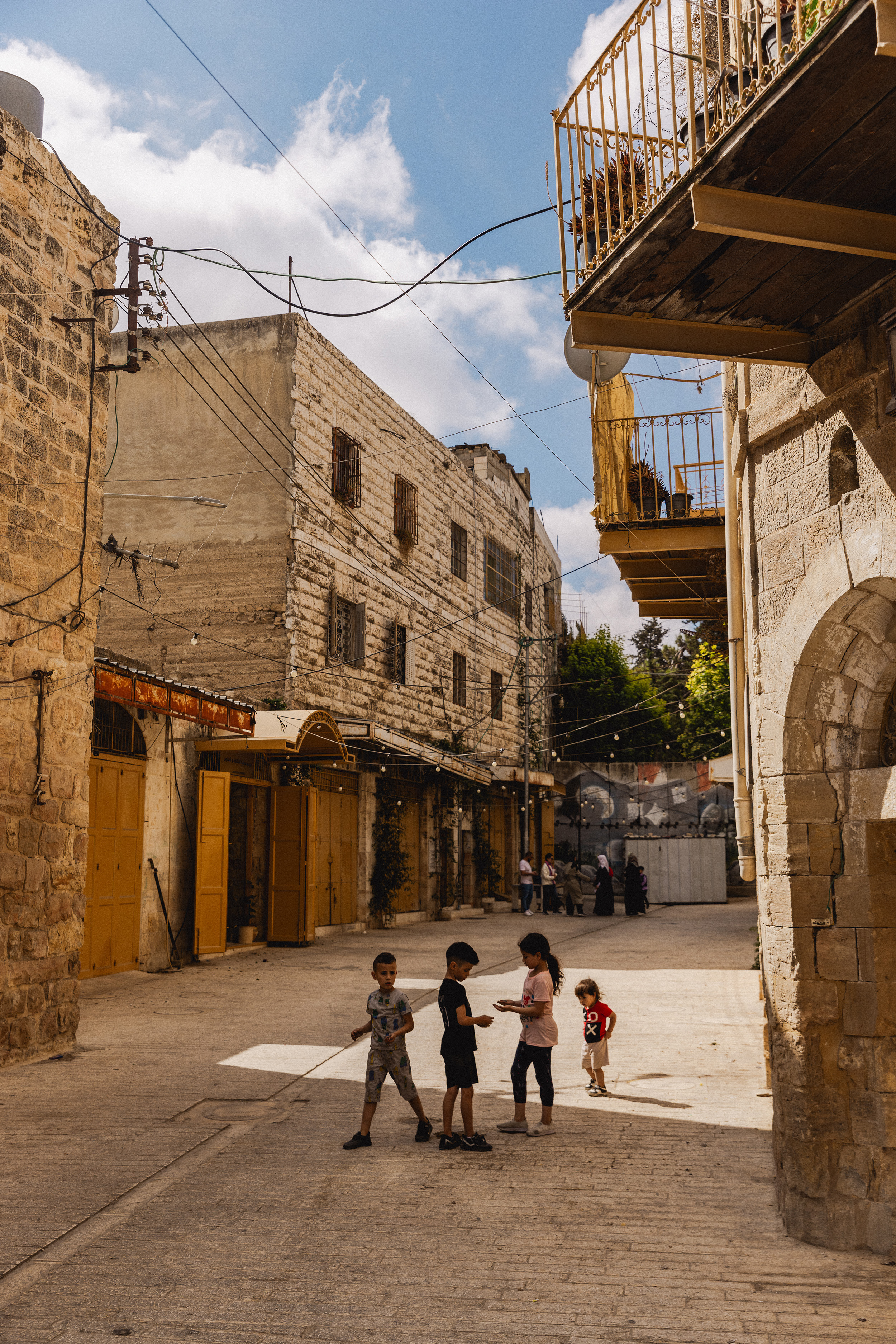
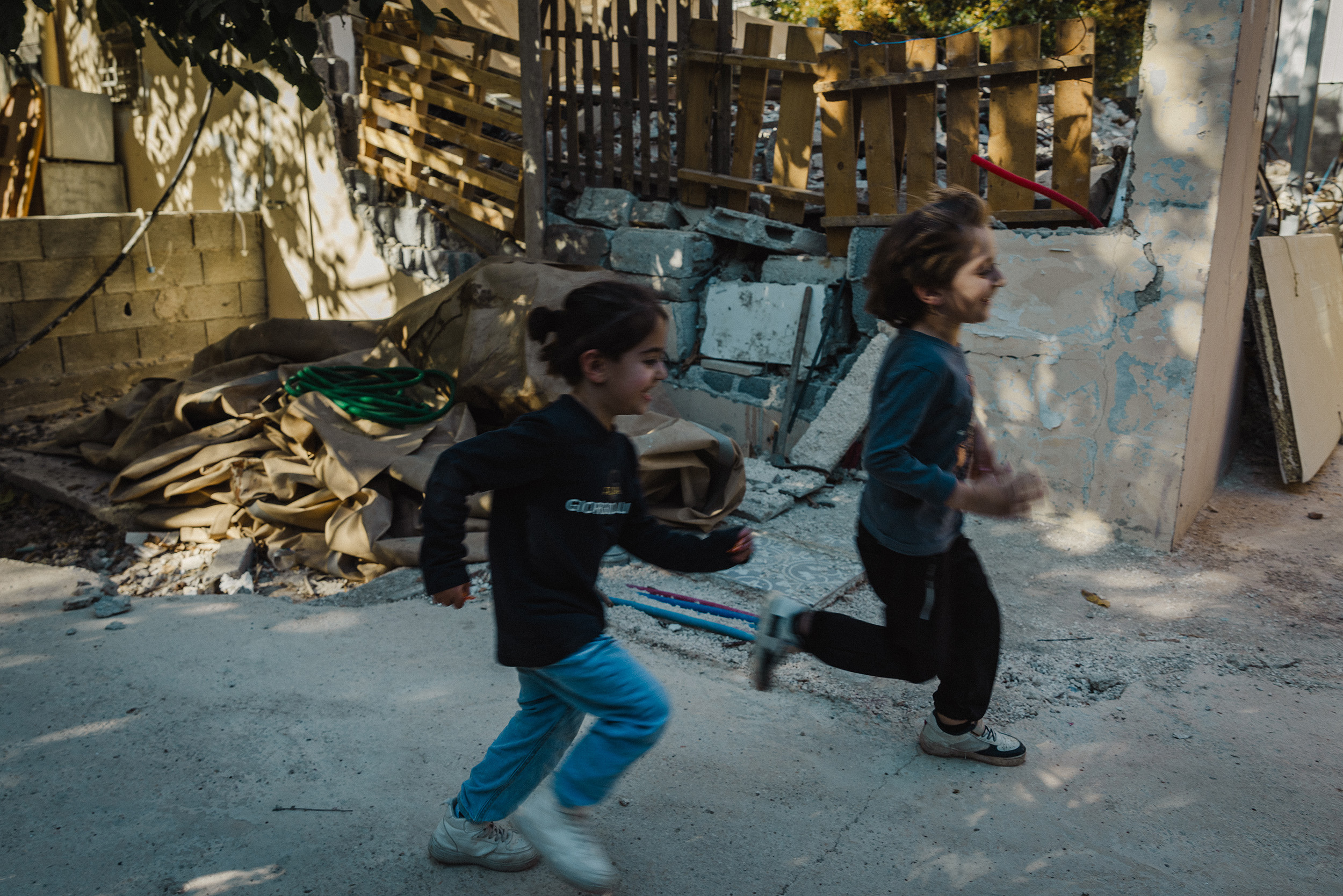
“This is our vision for the future that we want. We grew up with the myth that there is no partner for peace but we're showing completely the opposite and have been for over 20 years now.”
Rana Salman, Co-Director, Combatants for Peace
