“My ancestors are proud!”
On a clear and breezy Sunday morning, three vans pull up to Dillon Creek Campground, in remote Northern California, loaded with piles of orange, green, pink, and blue kayaks.
As teenagers file out into the sun, staff do their best to get them organized.
“Get your gear in your boat!”
“Don’t forget your paddle!”
“Whose water bottles are these?”
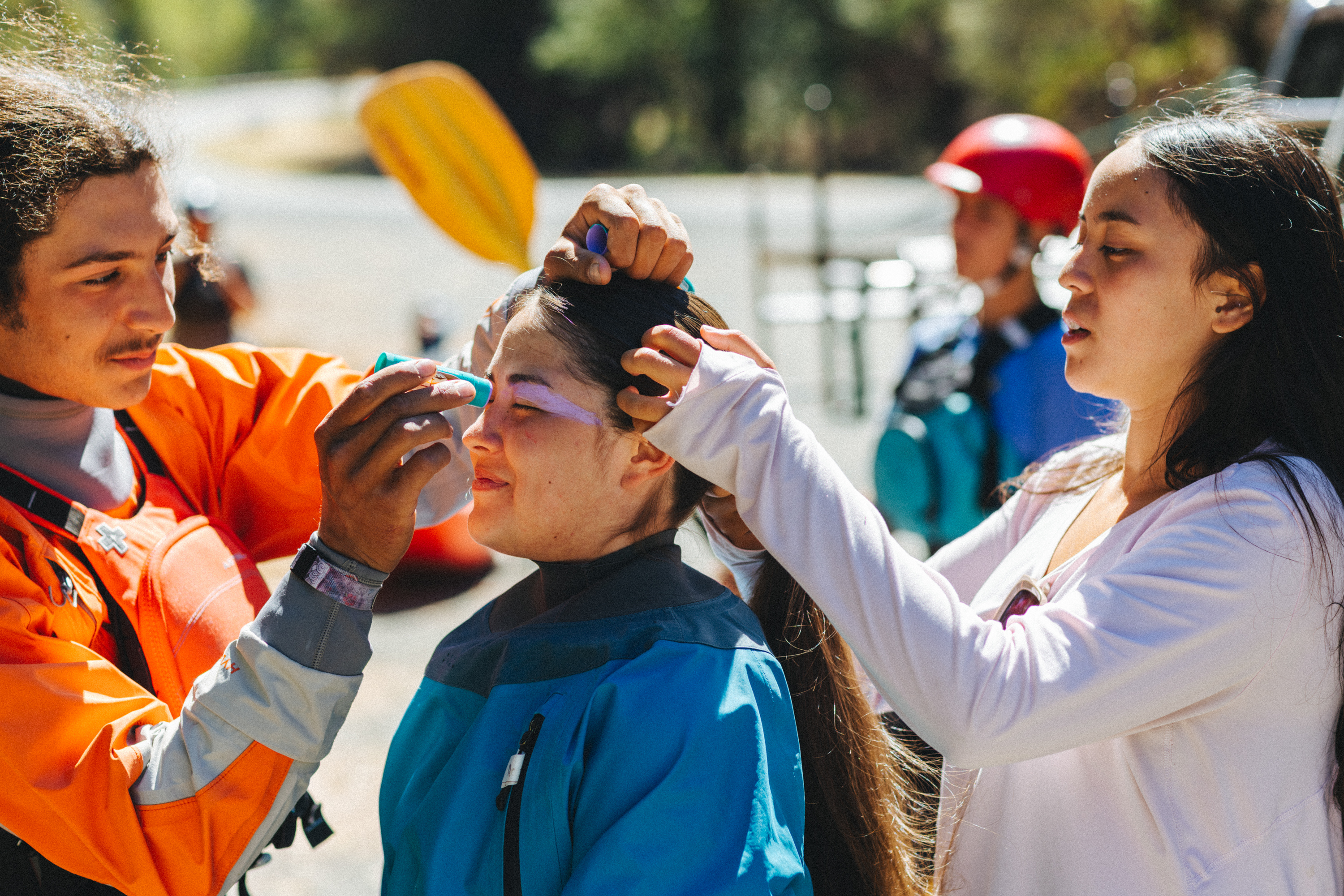
The students braid each other’s hair and paint brightly colored sun protection on their faces, then make their way down a short trail, where a sharp U-turn in the Klamath River forms a flat gravel bar—perfect for launching boats.
The whitewater kayak program that brought them here, Paddle Tribal Waters, welcomes Indigenous youth from across the region to the Klamath Basin, a remote landscape stretching more than 15,700 square miles, larger than the state of Maryland. From the Klamath people at the headwaters to the Yurok people at the Pacific Ocean, it is home to numerous groups with interwoven histories, branching cultures, and a longstanding reverence for the rivers that connect them.
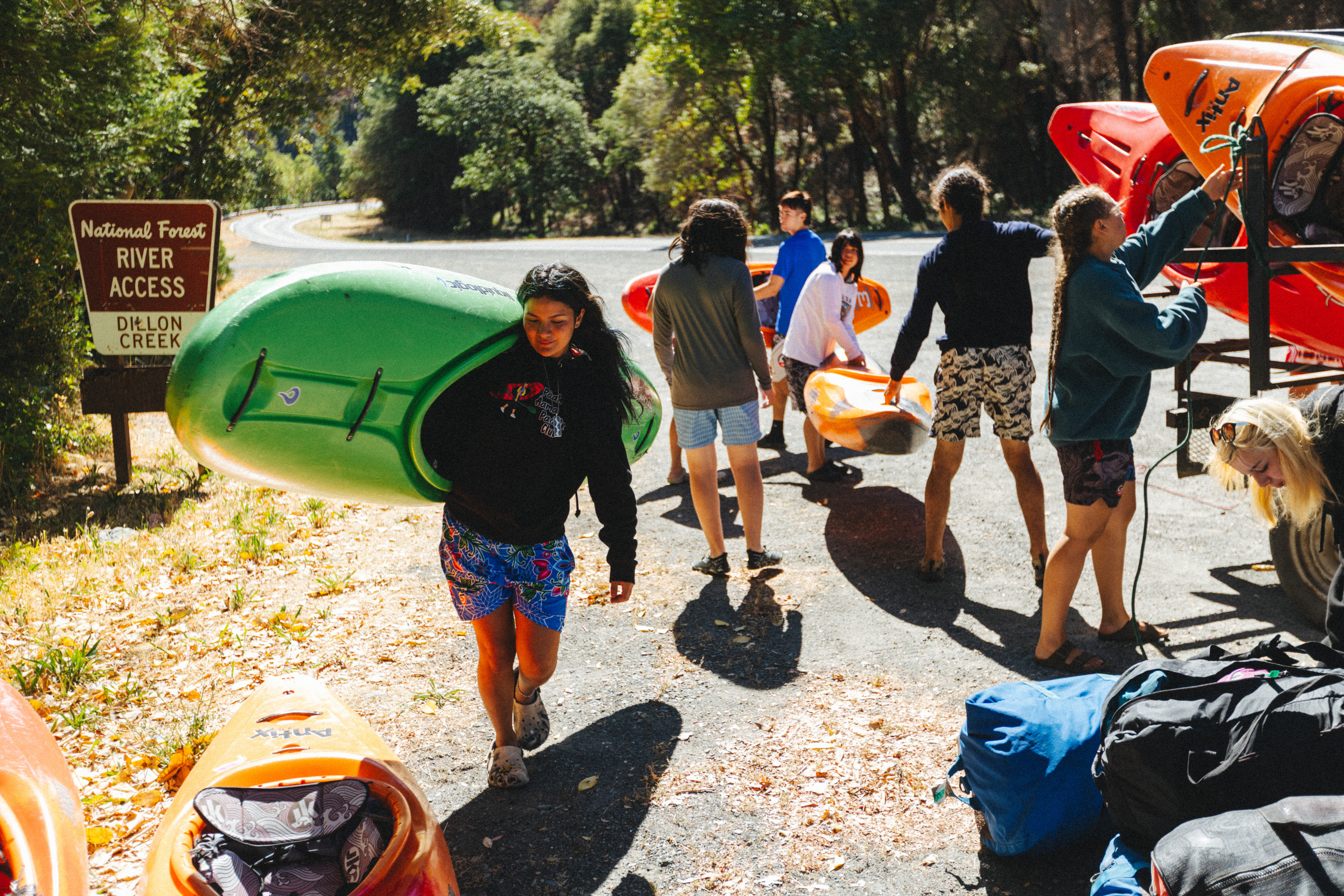
Indigenous youth from the whitewater kayak program, Paddle Tribal Waters, unload kayaks for their kayaking voyage through the Klamath Basin.
Kory Powell
This cohort is the fourth in five years, with students ranging in age from 13 to 18. They are halfway through a two-week experience combining paddling fundamentals and conservation—with the ultimate goal of both enjoying and protecting the waterways they know best.
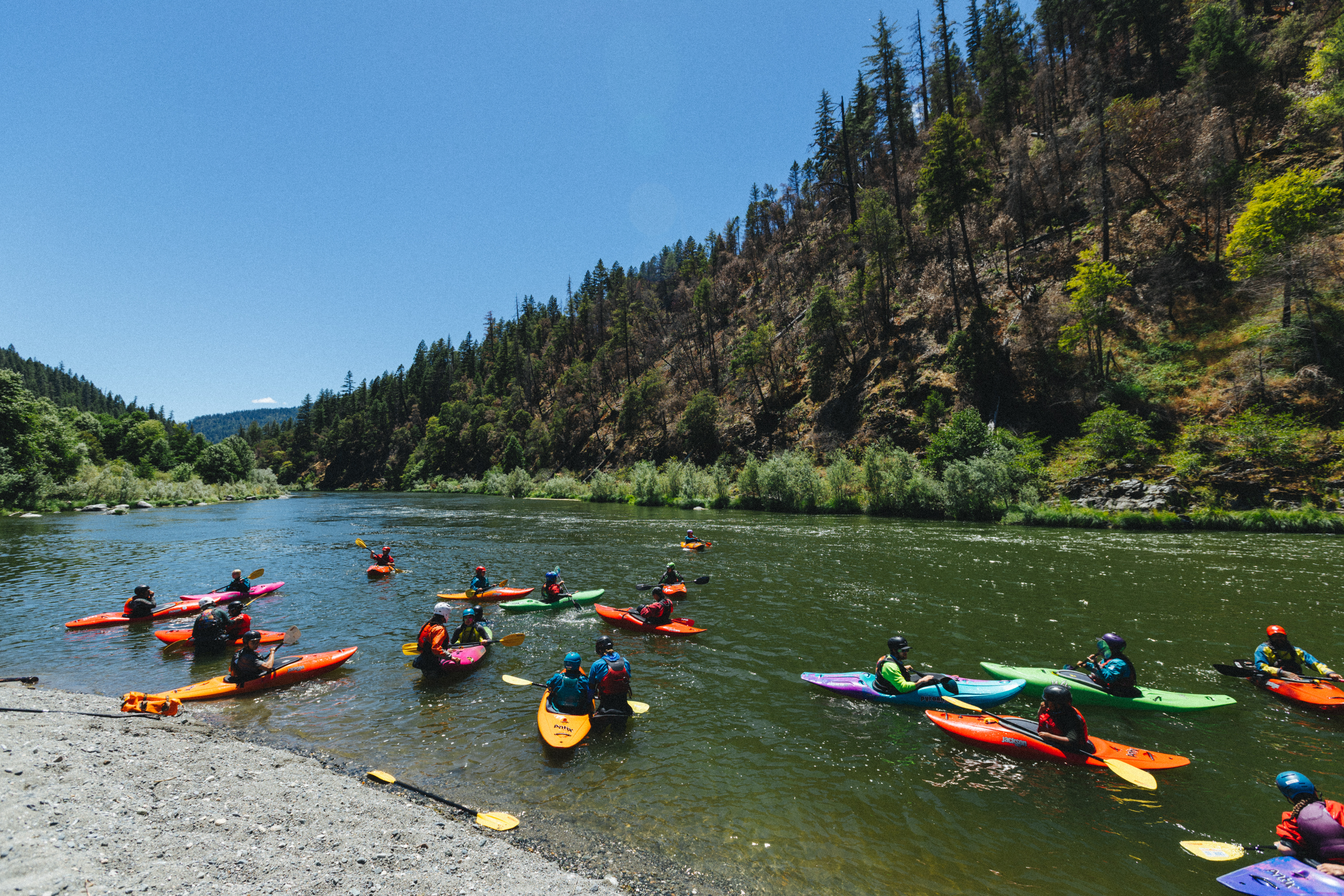
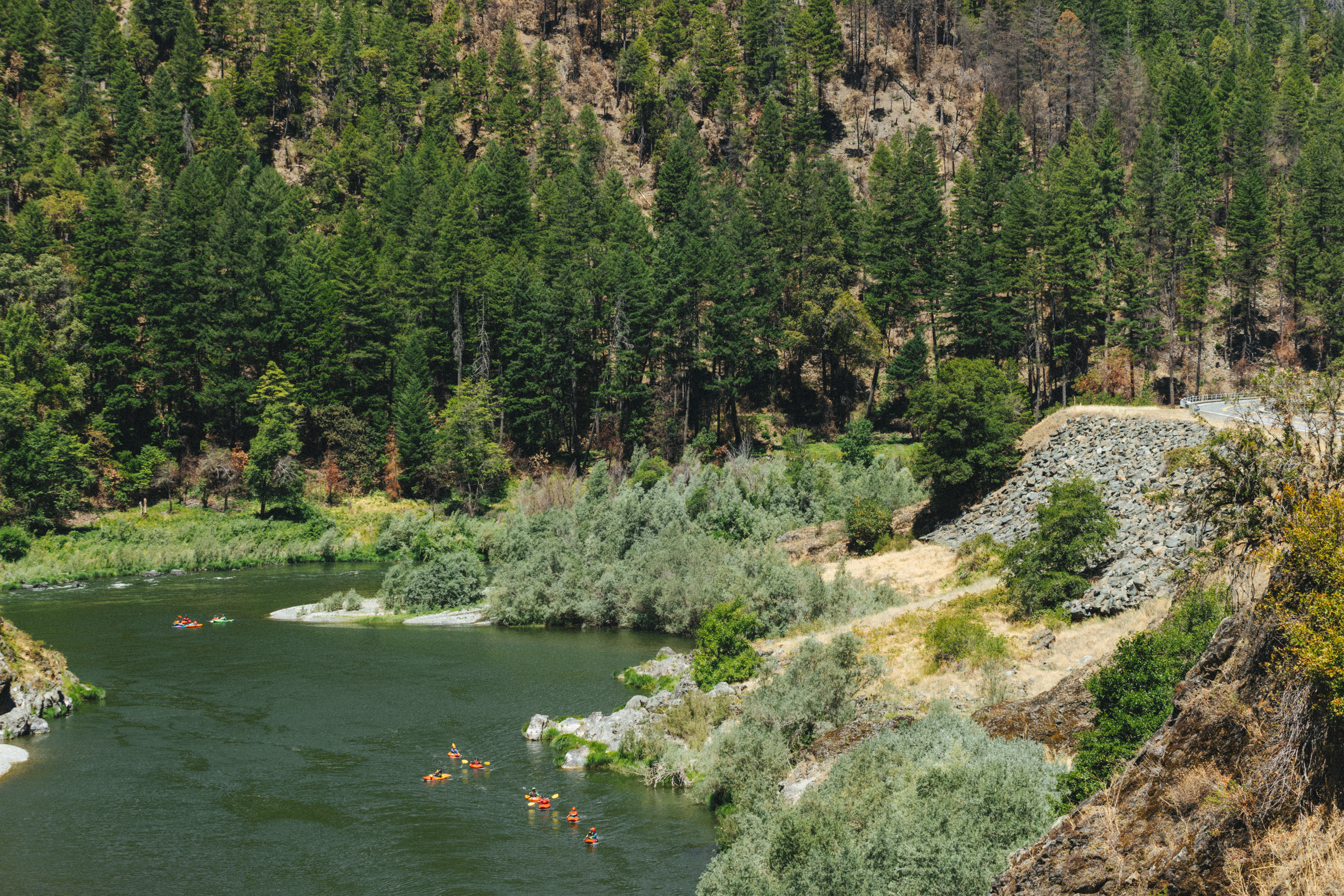
Today, the young group is ready to put their newfound skills to the test. Over the course of four hours, they float down the Klamath River past sheer rock cliffs, fire-scarred hillsides, and ancient conifer groves. We watch them from atop bridges and along bluffs, a constellation of neon dots and synchronized splashes moving with the current.
As they approach each new obstacle, they pause in an eddy to discuss a plan to paddle downstream. Words of encouragement echo up to us as each kayaker takes their turn.
Towards the end of the run, the students approach the highlight of the day: Frog Rock and Ti Bar, a pair of class II rapids featuring noticeable drops and a long series of rolling waves.
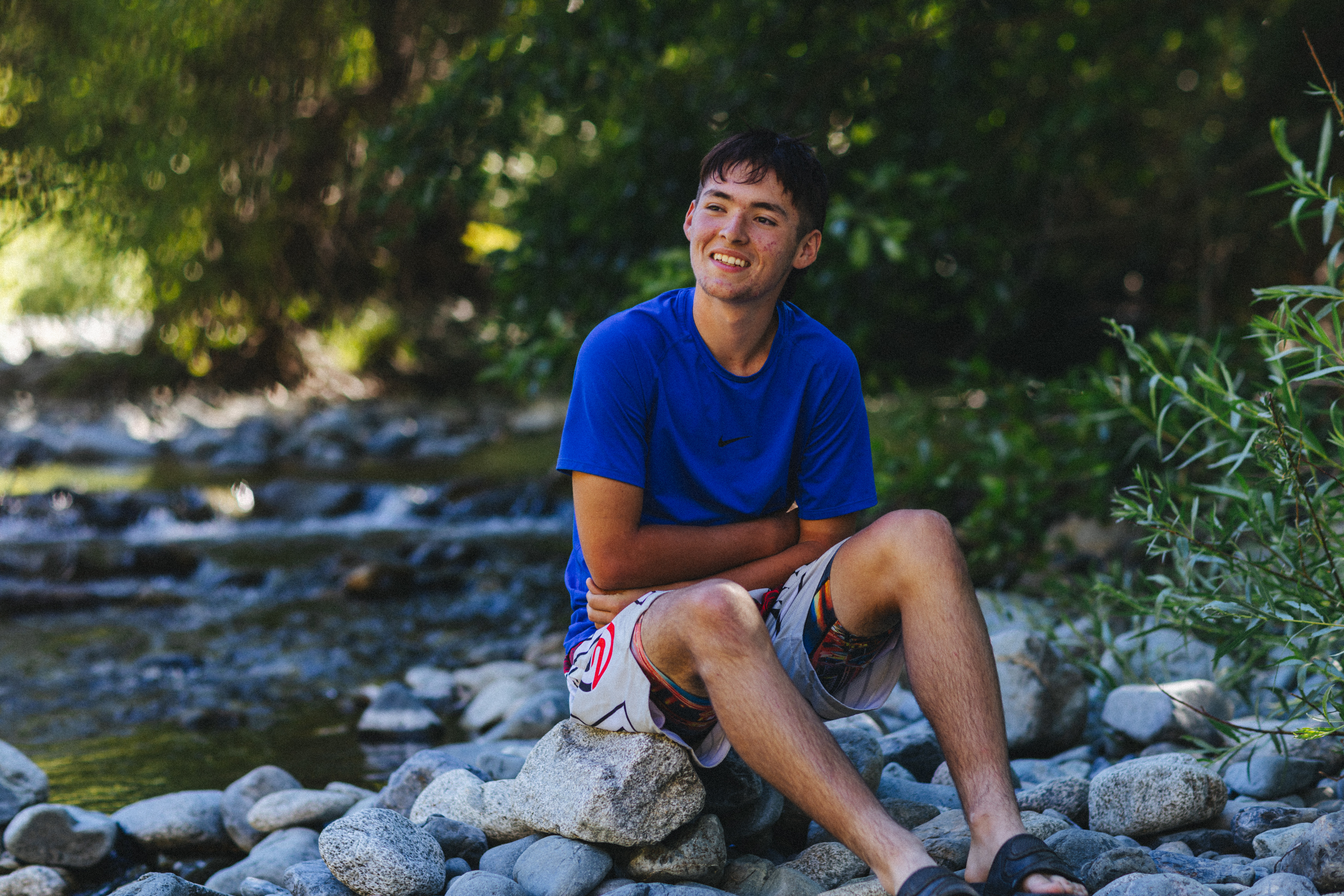
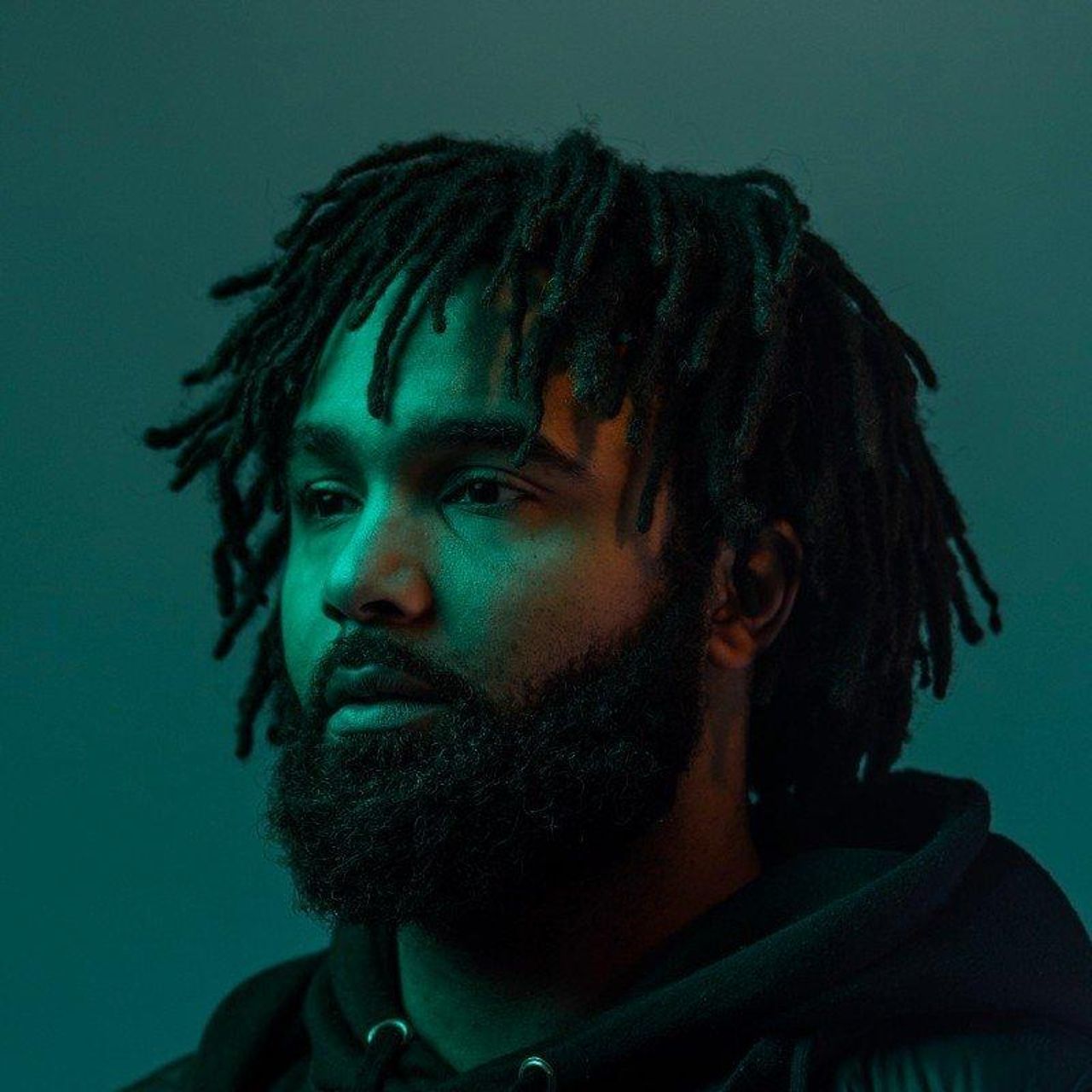
Qhenhi Riddle, a 15-year-old and member of the Klamath and Modoc Tribes, poses for a portrait beside the river.
Kory Powell
As Qhenhi Riddle, a 15-year-old and member of the Klamath and Modoc Tribes, enters the first rapid, his boat is knocked left, and he tips over. He floats about twenty feet, upside down and spinning. Typically, this is the moment when most beginners would bail out.
“I wonder how long he can hold his breath?” I find myself wondering.
Then, with a single fluid motion, Qhenhi sweeps his paddle and snaps his hips, flipping his boat back upright.
The river erupts in cheers. Qhenhi completed a “combat roll,” the ultimate achievement for a novice kayaker. They’d been practicing at camp all week long, but to successfully roll in rushing water was a significant milestone.
As the kayakers gather at the end of the run, I hear someone cry out, “My ancestors are proud!”
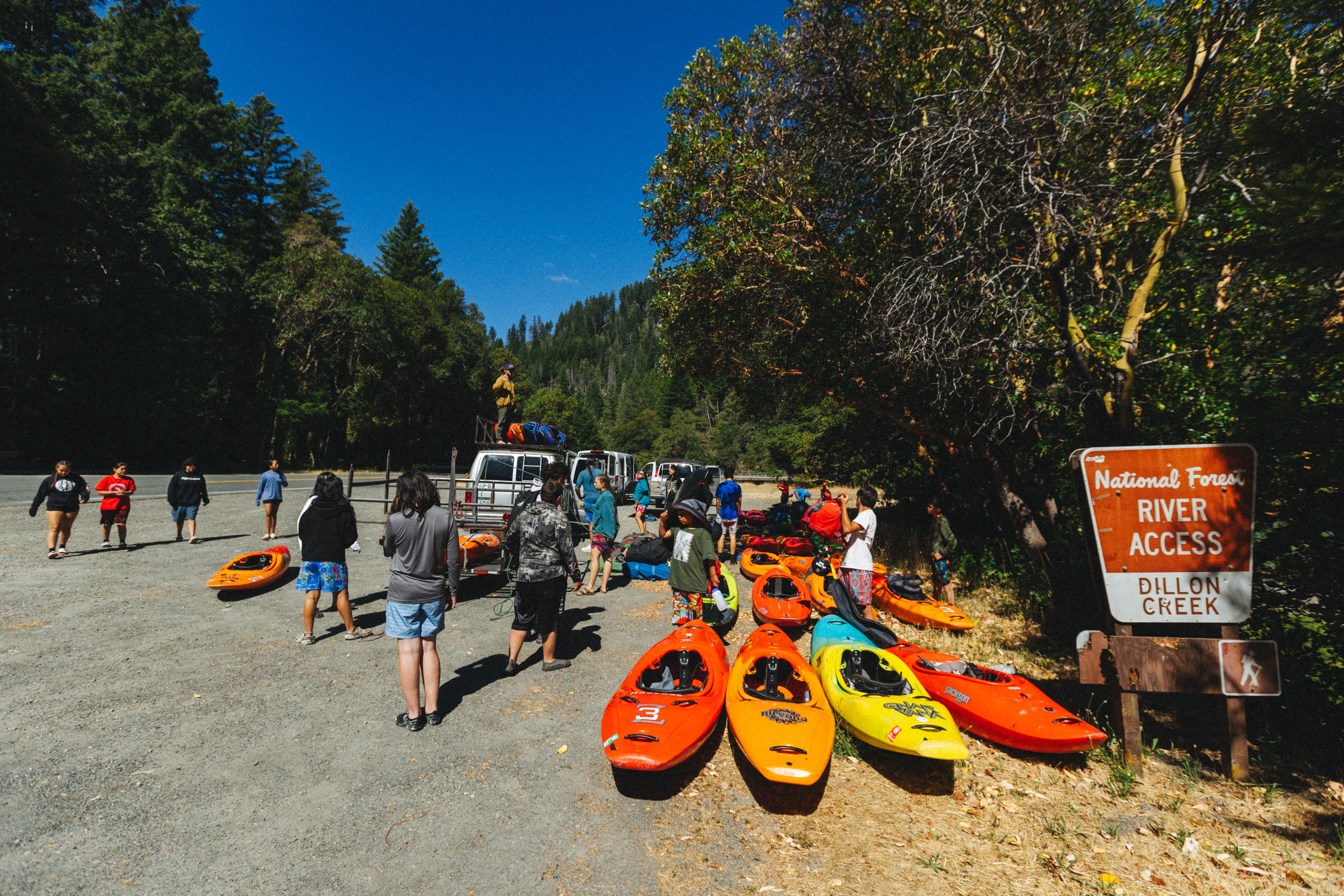
Indigenous youth from the whitewater kayak program, Paddle Tribal Waters, unload kayaks for their kayaking voyage through the Klamath Basin.
Kory Powell
The boats and gear are loaded back into the vans, and the group progresses to their final stop of the day: Nordheimer Campground along the nearby Salmon River. There, the students meet with representatives from the Salmon River Restoration Council to learn about how fish populations are changing in the local watershed.
After the presentation, some of the kids take laminated cards to identify salmon species in the clear, cool water. Others catch tiny aquatic insects and examine them under magnifying glasses.
They ask questions about career opportunities and how to become kayak instructors, then inquire about other rivers they know: the Eel, the Snake, the Columbia.
By the time the students head back to camp, the sun is hanging low to the west. They’ve been in or near the water for eight hours today, but they don’t show any signs of tiring.
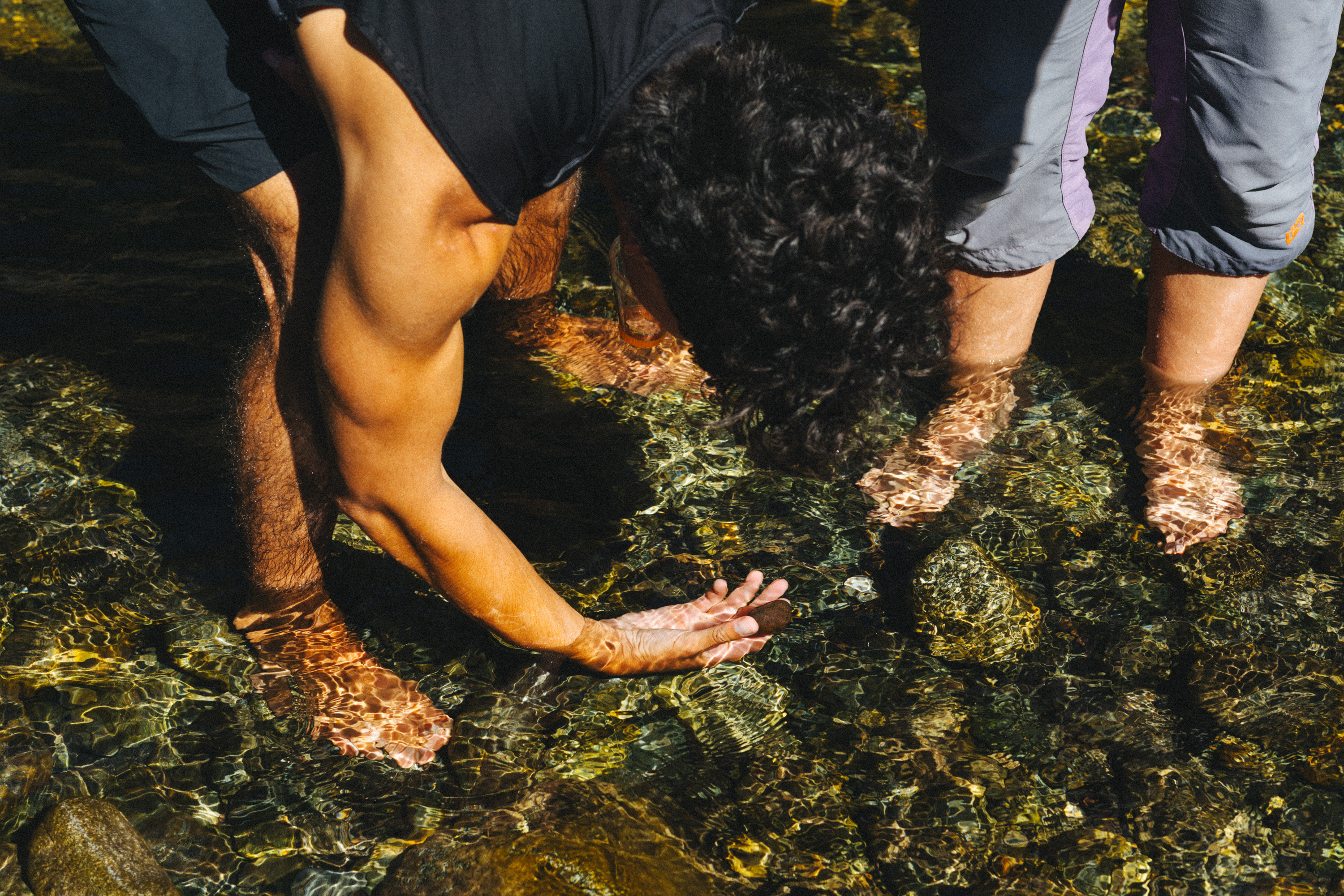
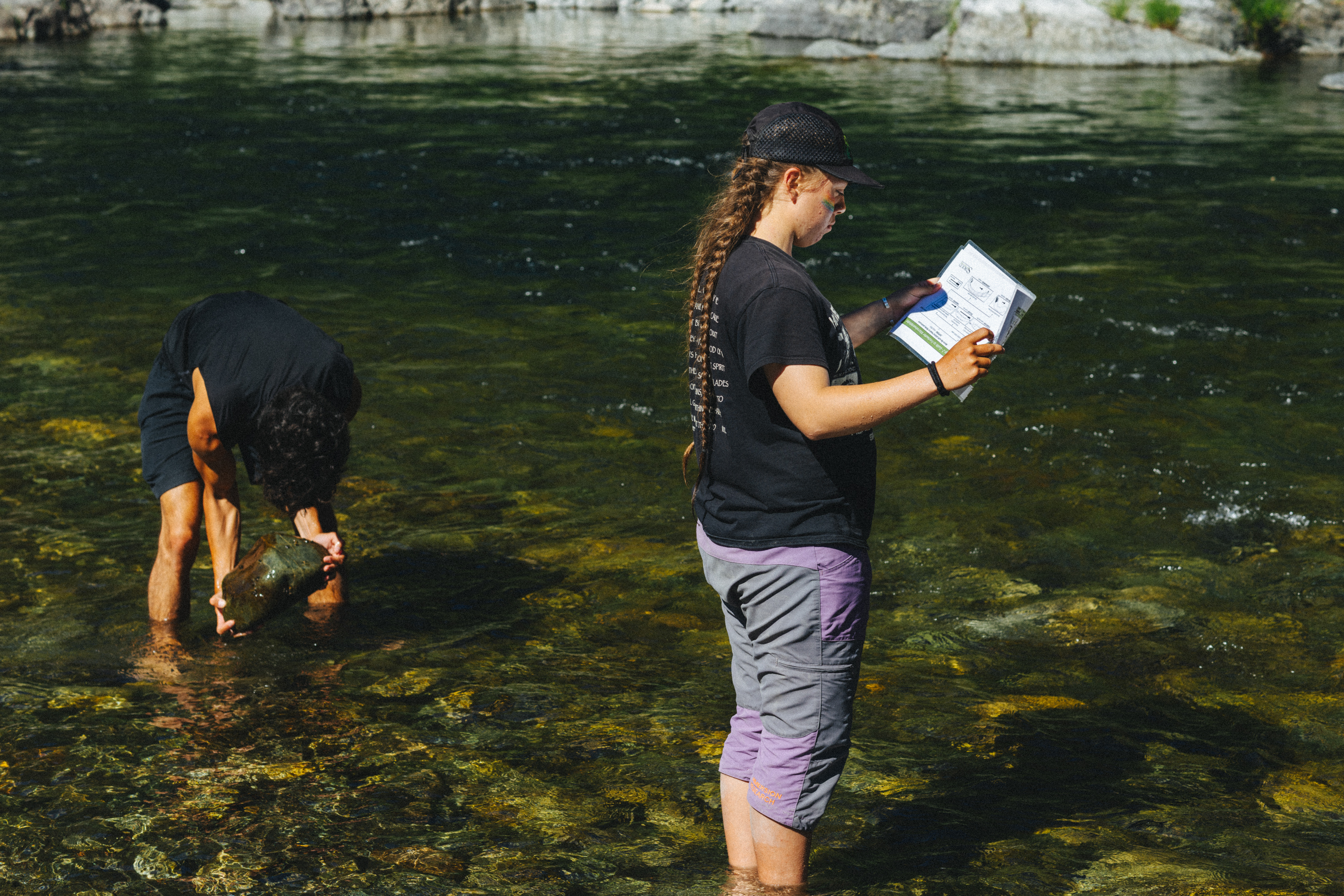
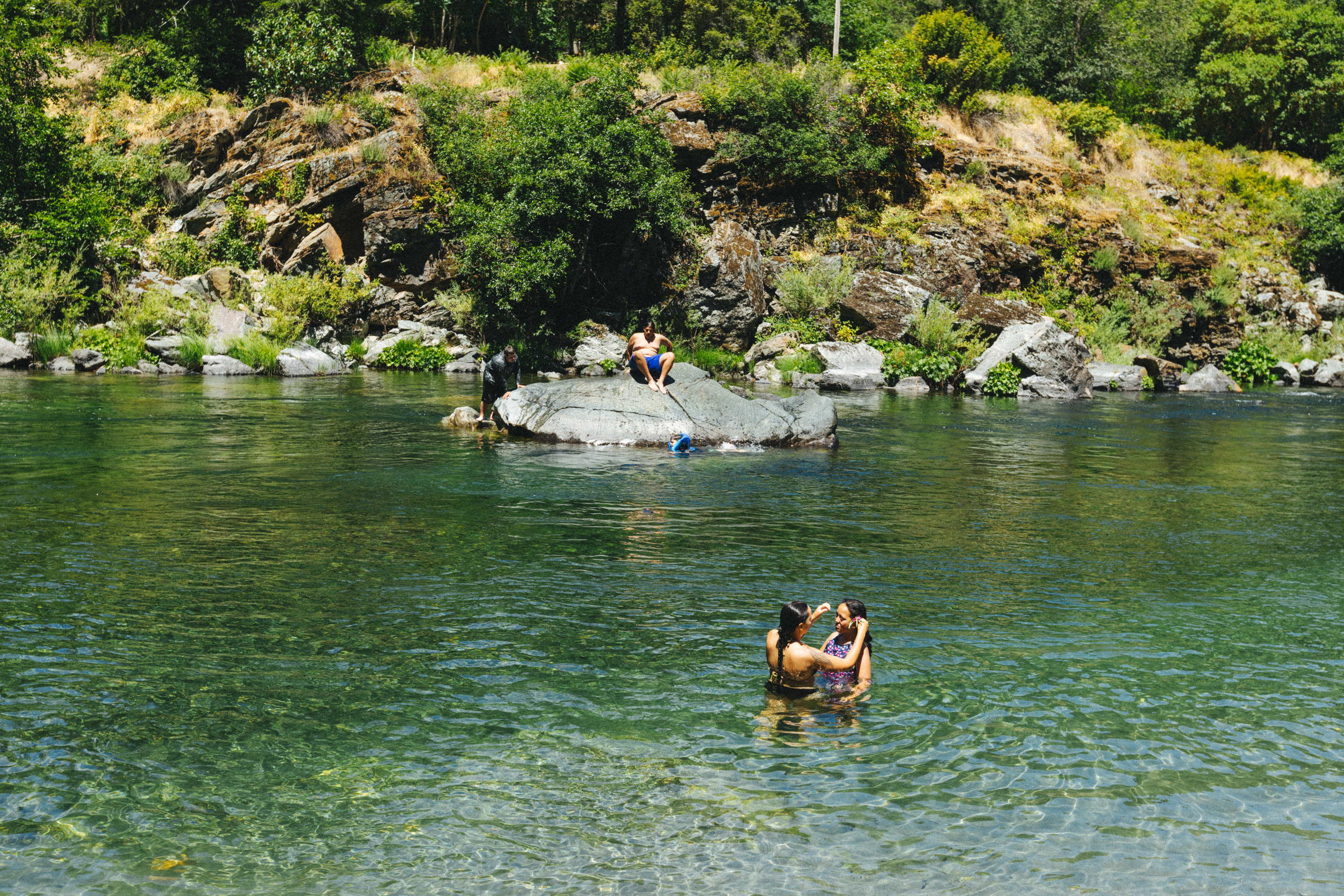
Indigenous youth from the whitewater kayak program, Paddle Tribal Waters, meet with representatives from the Salmon River Restoration Council to learn about how fish populations are changing in the local watershed.
Kory Powell
“I was born into the fight.”
The Klamath River slices through nearly 300 miles of golden ridges, sharp forested ravines, and expansive valley floors.
But for more than a century, its path was blocked.
Beginning with a hydroelectric dam built by the California Oregon Power Company in 1918, a series of dams went up on the Klamath throughout the 20th century to meet growing water demand from farmers, ranchers, and other white settlers.
Meanwhile, the needs of Indigenous people—who had long relied on the river for food, trade, and cultural activities—were ignored. Instead, they were physically displaced and their ancestral lands were flooded.
The Klamath River, once a vibrant source of life, became toxic. Tribes that once defined themselves by the river were left unmoored.
Reservoirs full of stagnant water and fertilizer runoff fed algae blooms and released methane into the atmosphere. Trout and salmon populations dropped dramatically—including one summer in which more than 34,000 fish died in the Lower Klamath River.
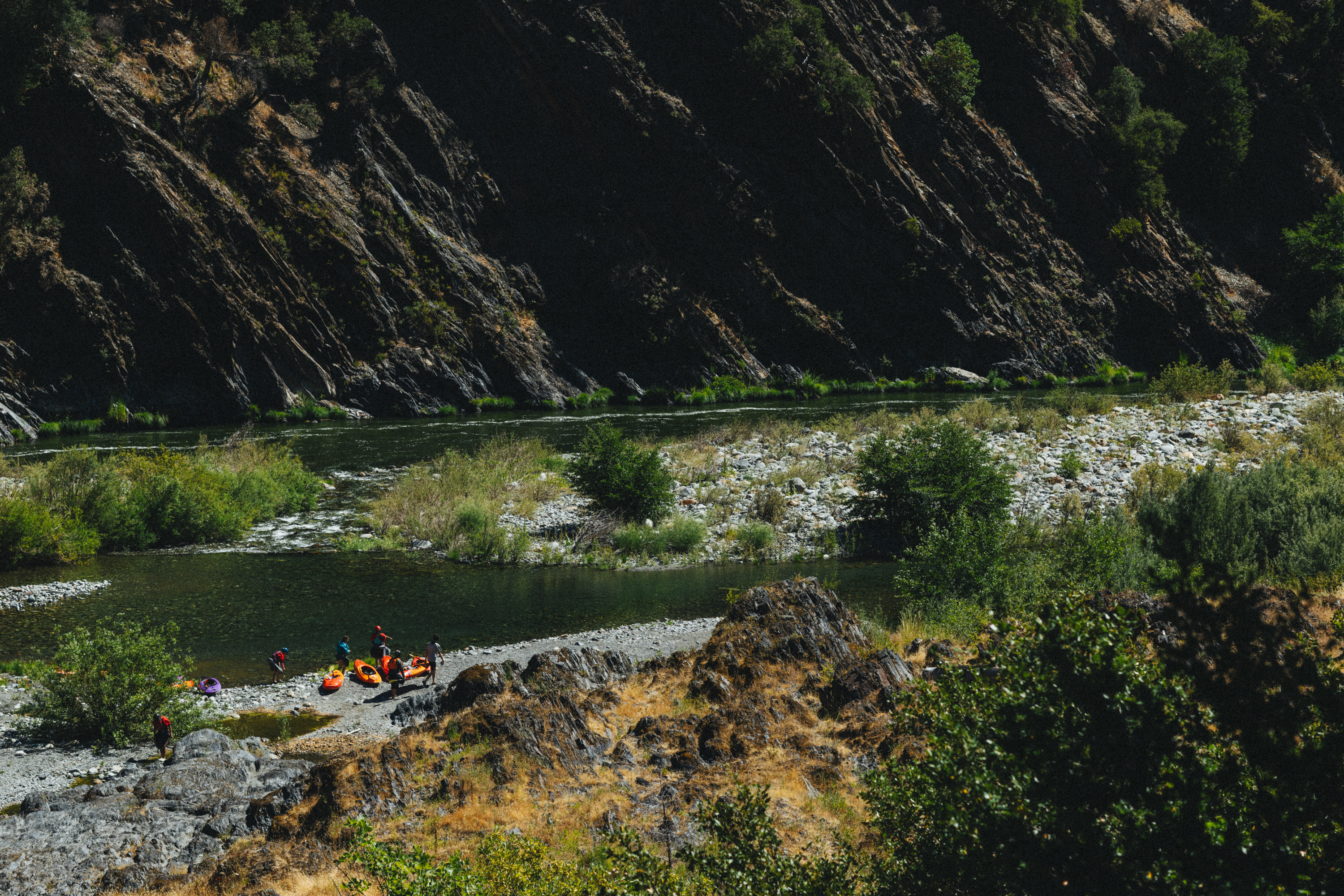
Indigenous youth from the whitewater kayak program, Paddle Tribal Waters, unload kayaks for their kayaking voyage through the Klamath Basin.
Kory Powell
In 2022, after decades of local and Indigenous activism, residents of the basin earned a major victory: the federal government approved the largest dam removal project in U.S. history, freeing the water to run downstream again.
This decision was also the genesis of Paddle Tribal Waters. Ríos to Rivers, a global kayaking exchange program, met with local activists and tribal leaders to ask an ambitious question: Can we get Native youth on the river when it opens?
Last summer, they got their answer. After years of intensive training, a group of Indigenous youth successfully completed the first source-to-sea descent of the newly restored river.
It was a rare glimmer of hope in the often arduous and rarely rewarding world of climate advocacy.
Today, some of the young people who participated in that historic journey are back where they first picked up a paddle, leading the next generation of kayakers and activists. Eight of them were recently awarded level three certification as river kayak instructors from the American Canoe Association.
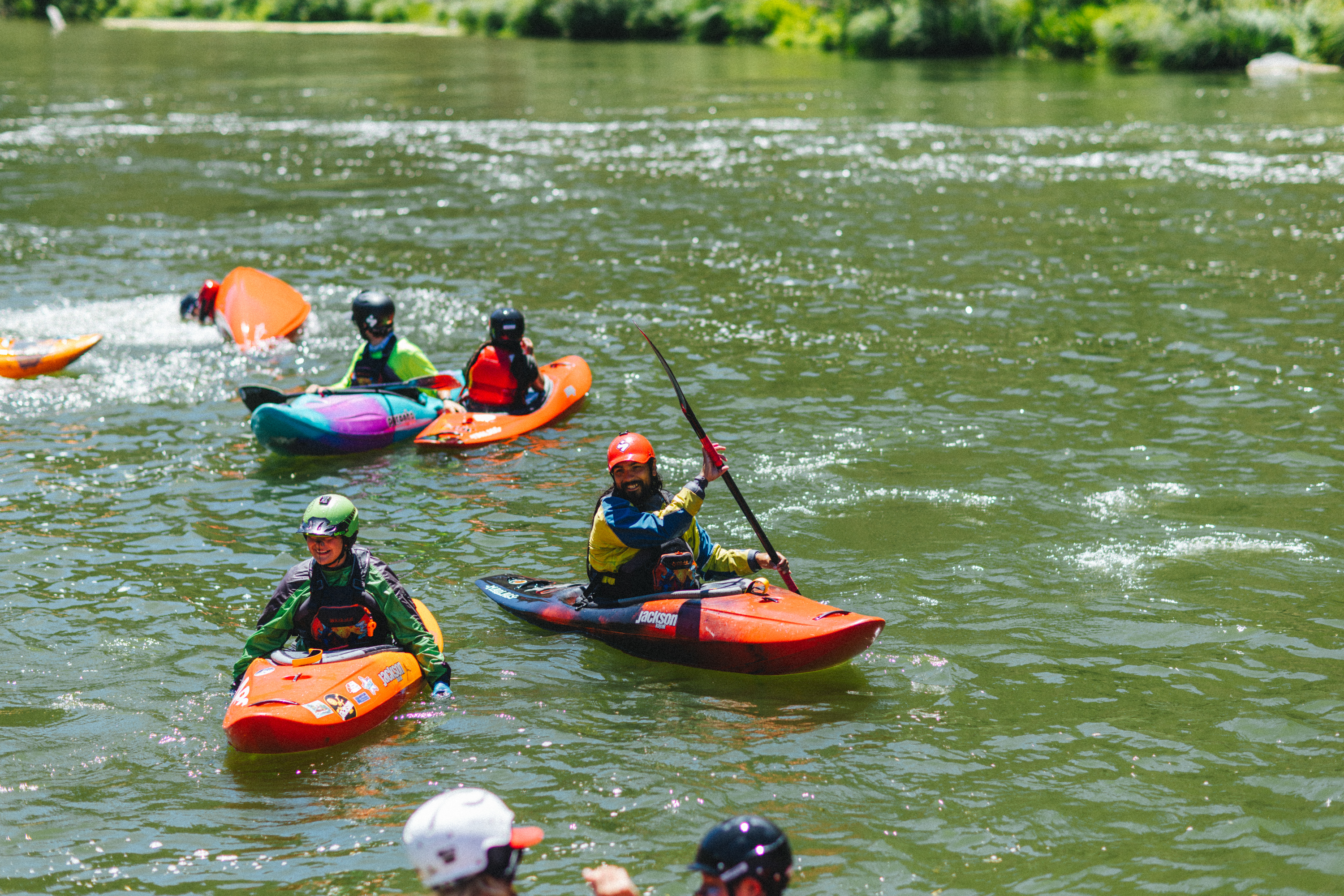
Indigenous youth from the whitewater kayak program, Paddle Tribal Waters, undergo a kayaking voyage through the Klamath Basin. They are halfway through a two-week experience combining paddling fundamentals and conservation.
Kory Powell
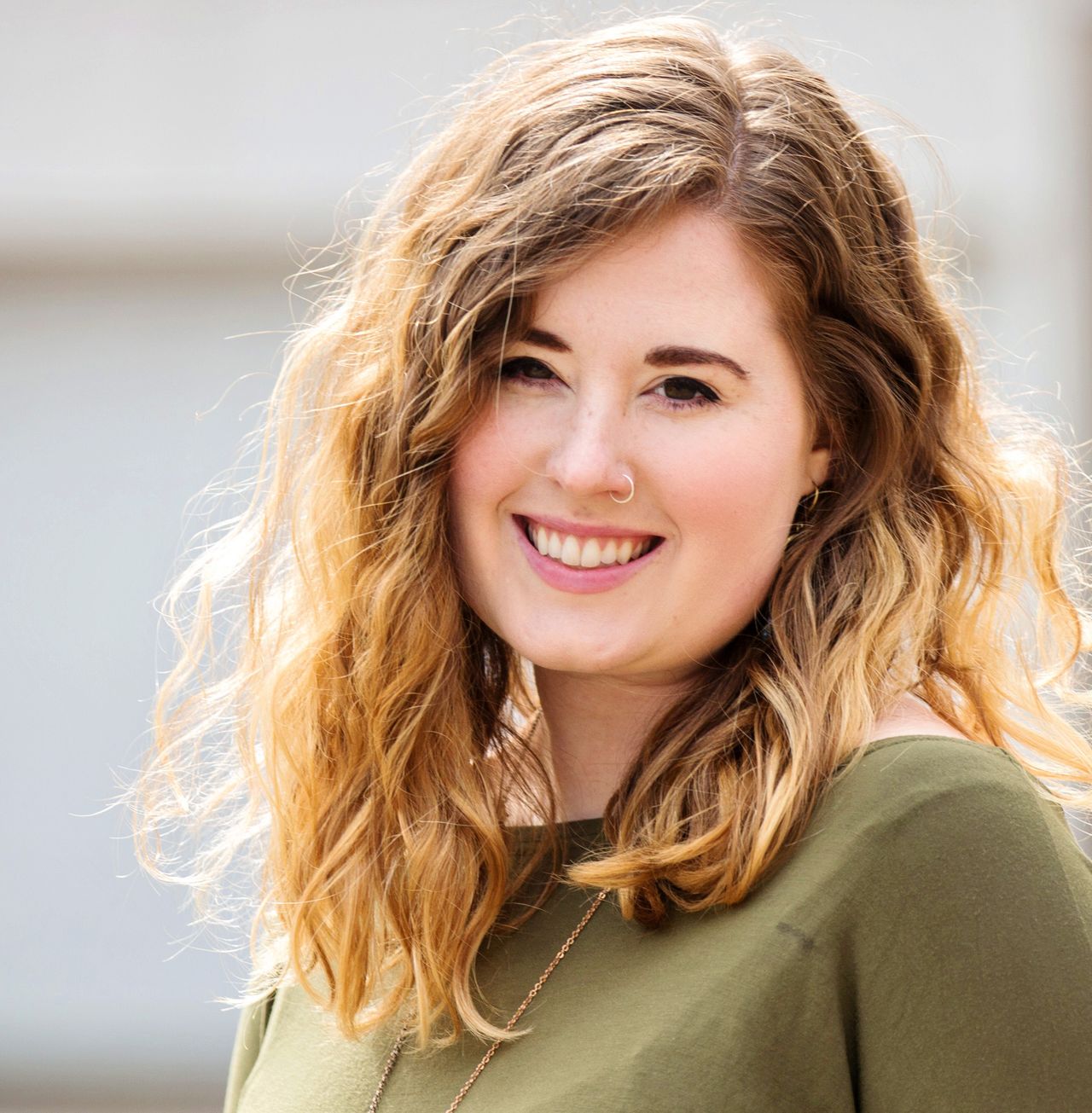
Keeya Wiki, 18, a junior counselor with Paddle Tribal Waters and member of the Yurok tribe, traces her heritage to a long line of river protectors. She recounts family members bringing her along to countless protests as a child.
“I was born into the fight,” she says. “I was born with the idea that I'm put on this earth to protect and fight for this river.”
Keeya was raised with stories of relatives being “threatened, beaten, killed, and jailed just for fishing.” Her understanding came entirely through the context of conflict and activism, rather than experience.
“They all grew up on the river, where I feel like I grew up adjacent to [it],” Keeya says. “I grew up looking at the river from my grandma's window.”
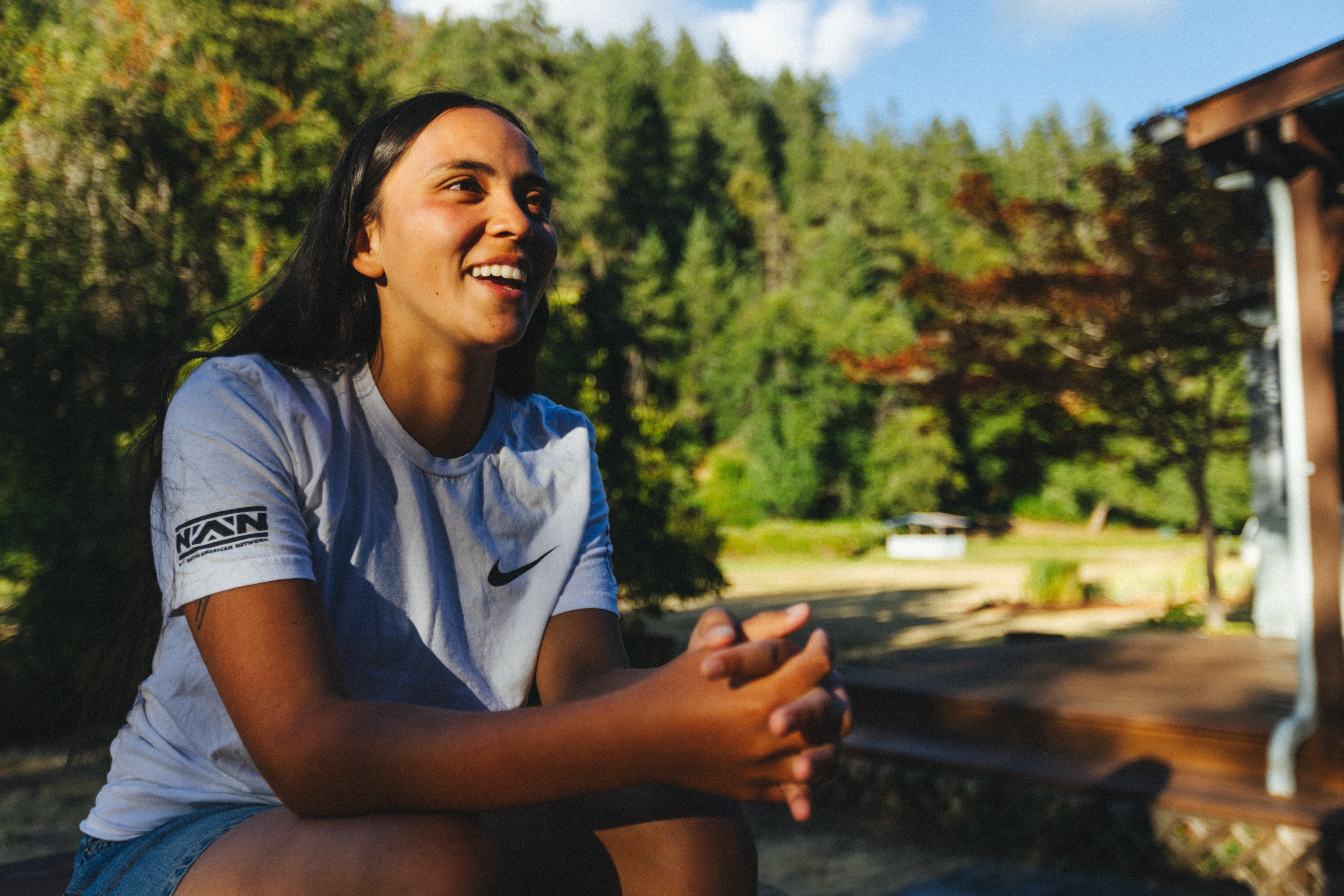
Keeya Wiki, 18, a junior counselor with Paddle Tribal Waters and a member of the Yurok tribe, poses for a portrait at sunset beside camp.
Kory Powell
So, when she caught wind of the first descent attempt, Keeya saw it as an opportunity to finally build her own relationship with the water she had heard so much about.
She joined the second Paddle Tribal Waters cohort in 2023, trained for two summers, and spent two semesters of high school traveling the world, taking classes and continuing to develop her paddling skills in partnership with World Class Academy. Then, she set off with her peers for the grueling 30-day journey, reclaiming the Klamath River as their own.
“There were multiple sections of the [river] that I paddled during the first descent where family members were held at gunpoint by settlers,” she remembers. “That doesn't have to be our narrative about the river anymore.”
Now, Keeya doesn’t just describe the river as a battlefield; she speaks of it as a teacher and a close friend. On the water, she feels the life that she is fighting for. As a counselor, her goal is to help other young people experience the same.
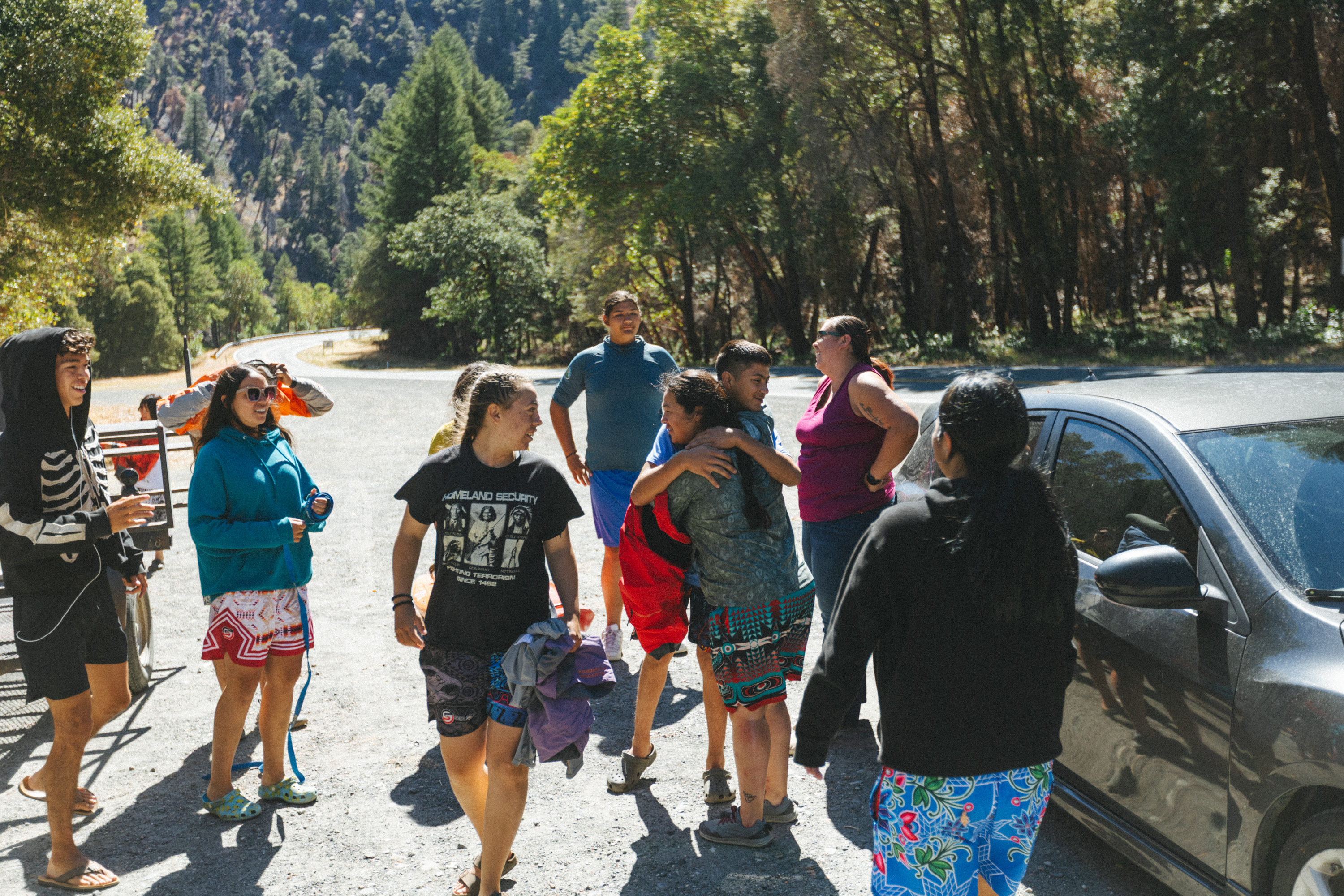
Ruby Williams, 19, is a Karuk tribal member and junior instructor, laughs with other indigenous youth after spending a day kayaking on the river.
Kory Powell
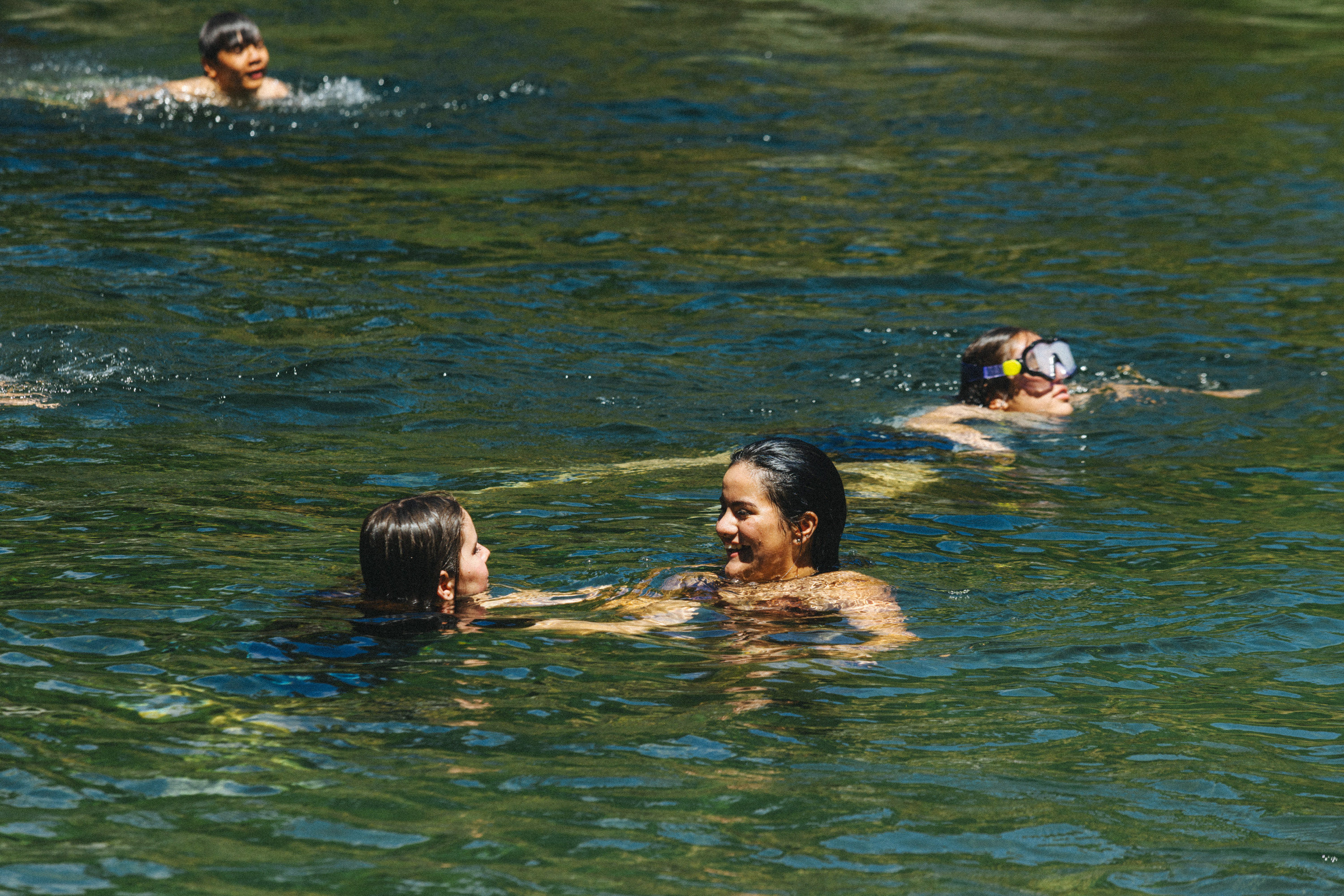
Ruby Williams, 19, is a Karuk tribal member and junior instructor who grew up along both the Klamath and Salmon rivers. Like Keeya, she remembers summers when she wasn’t allowed to swim in the water. She’s still shocked seeing kids play and swim in the watering holes she once avoided.
Asked about the connection between recreation and advocacy, Ruby cites the words of Paul Wilson, an early Paddle Tribal Waters leader. Indigenous people weren’t supposed to be happy in their homelands, he explained to her, so being happy on the river is its own form of protest.
Ruby isn’t much older than the youth she’s training, so it can be difficult to get them to listen to her instructions. Instead of getting frustrated, she makes it her mission to lead by example and be a source of positive energy.
“I just want to be someone that [these kids] can see as an Indigenous person who's happy and they want to look up to,” Ruby says. “A lot of them don't have that in their day-to-day life, someone who's successful and happy and doing what they love.”
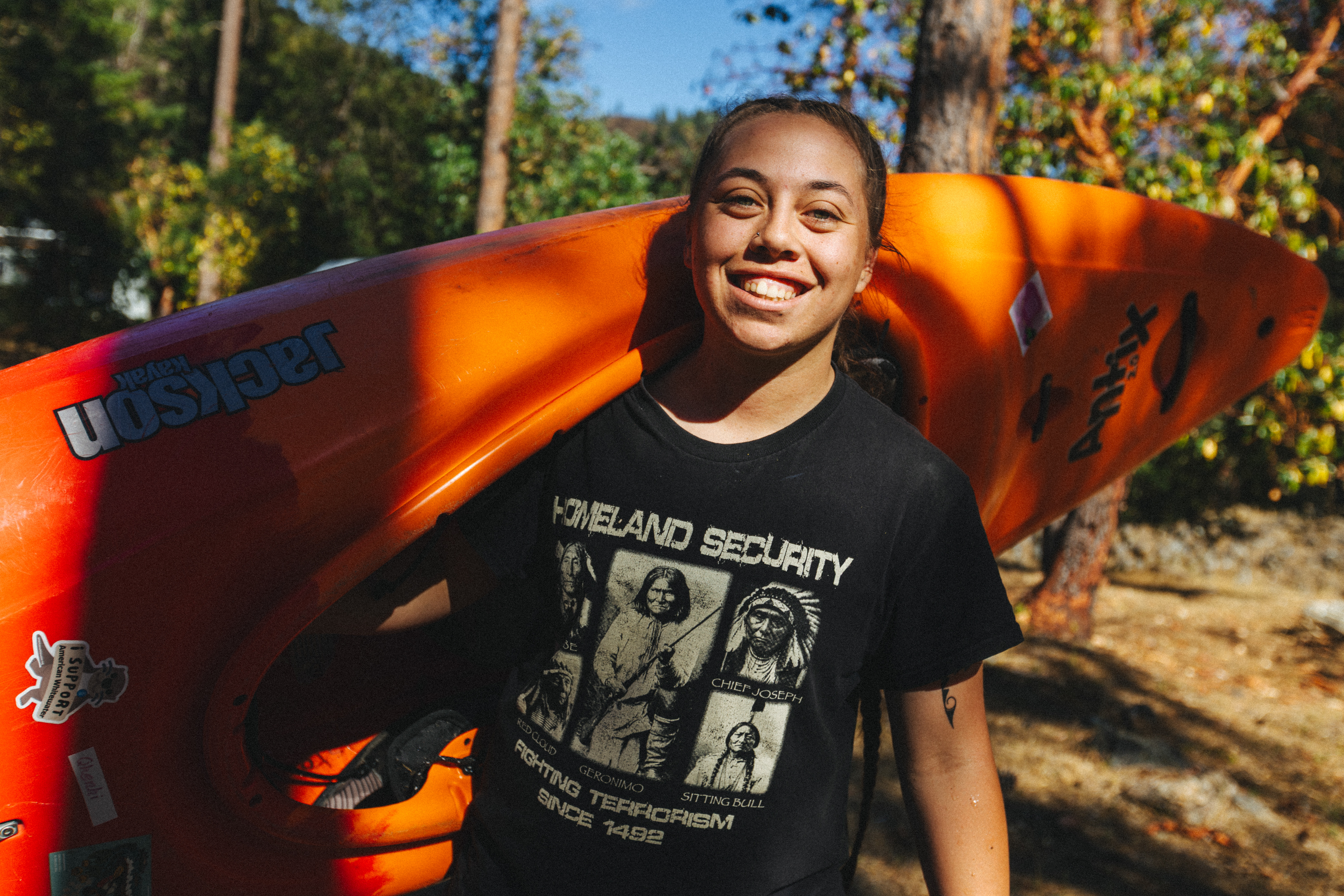
Ruby Williams, 19, is a Karuk tribal member and junior instructor who grew up along both the Klamath and Salmon rivers, poses for a portrait with her kayak.
Kory Powell
After hundreds of hours running rivers and advocating for rivers on global stages, the sense of purpose Ruby and Keeya possess is palpable.
Last November, they traveled to Brazil for COP30, the United Nations conference on climate change, where they shared the Klamath River Accord, a collective statement on dam removal and river restoration. In the fall, Keeya will begin her studies at UC Berkeley, and Ruby will return to classes at Fort Lewis College, where she’s studying environmental conservation and land management.
Both expect environmental stewardship and cultural advocacy to play significant roles in their career, even if they don’t precisely know what that will look like. They’re ready to go wherever the current takes them.
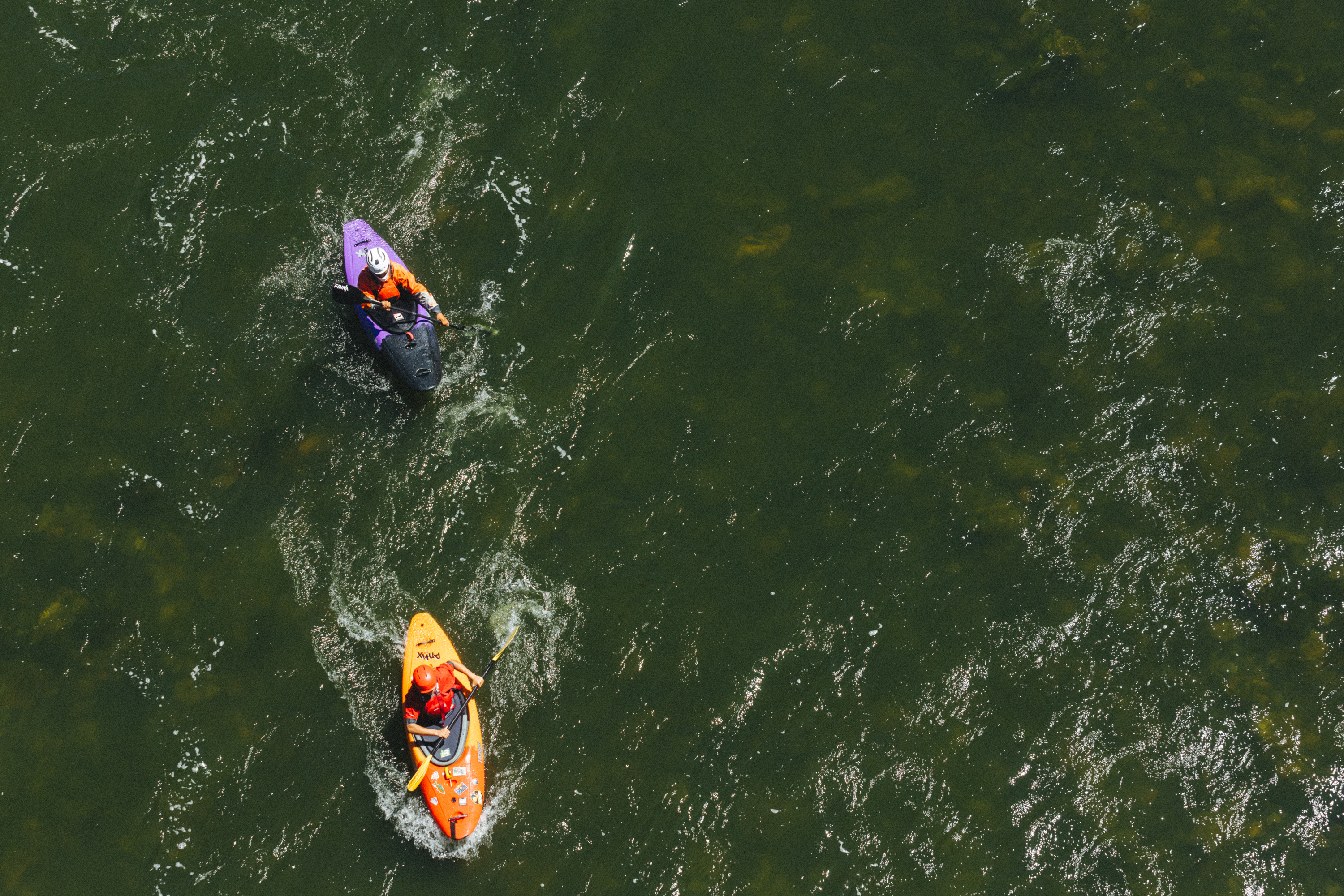
Indigenous youth from the whitewater kayak program, Paddle Tribal Waters, undergo a kayaking voyage through the Klamath Basin. They are halfway through a two-week experience combining paddling fundamentals and conservation.
Kory Powell
“Those kids are from my community!”
The undamming of the Klamath River was a triumph, though an incomplete one.
Announcements touted the river as “free-flowing,” but that claim isn’t entirely true. Two dams—the Link River and Keno dams—remain in use near the headwaters, and continue to endanger migratory salmon and other fish populations.
Meanwhile, dams on other rivers throughout the Klamath Basin are actively eroding the health of the ecosystem.
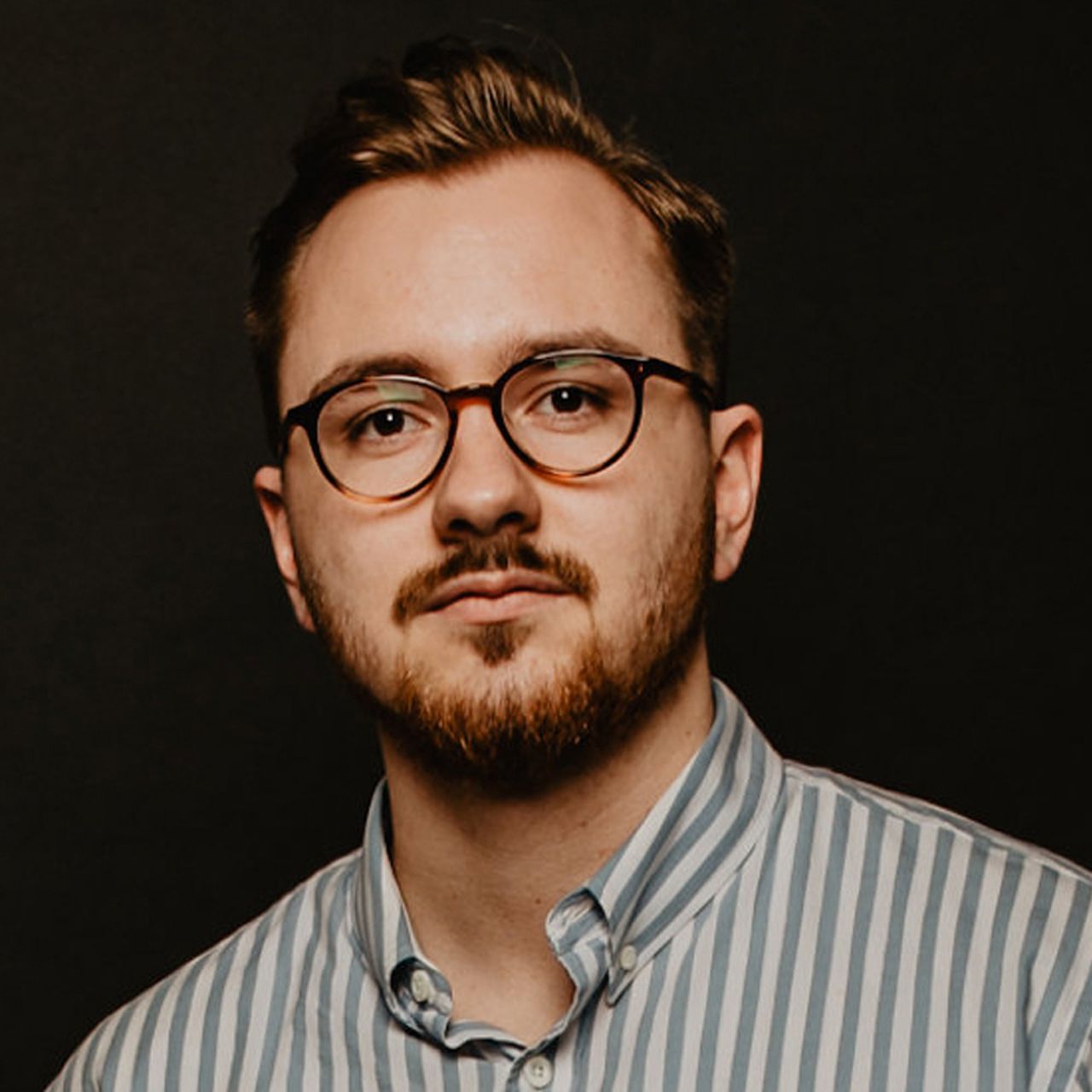
John Acuna, a member of the Hoopa Valley Tribe, grew up on the Trinity River, the Klamath’s largest tributary. A former wildland firefighter and whitewater rafting guide, he is intimately familiar with the environmental challenges facing his home.
While the plight of the Klamath River drew national attention, smaller waterways like the Trinity struggled out of the public view. John notes that the Trinity is still home to two major dams that divert its water for irrigation and hydropower.
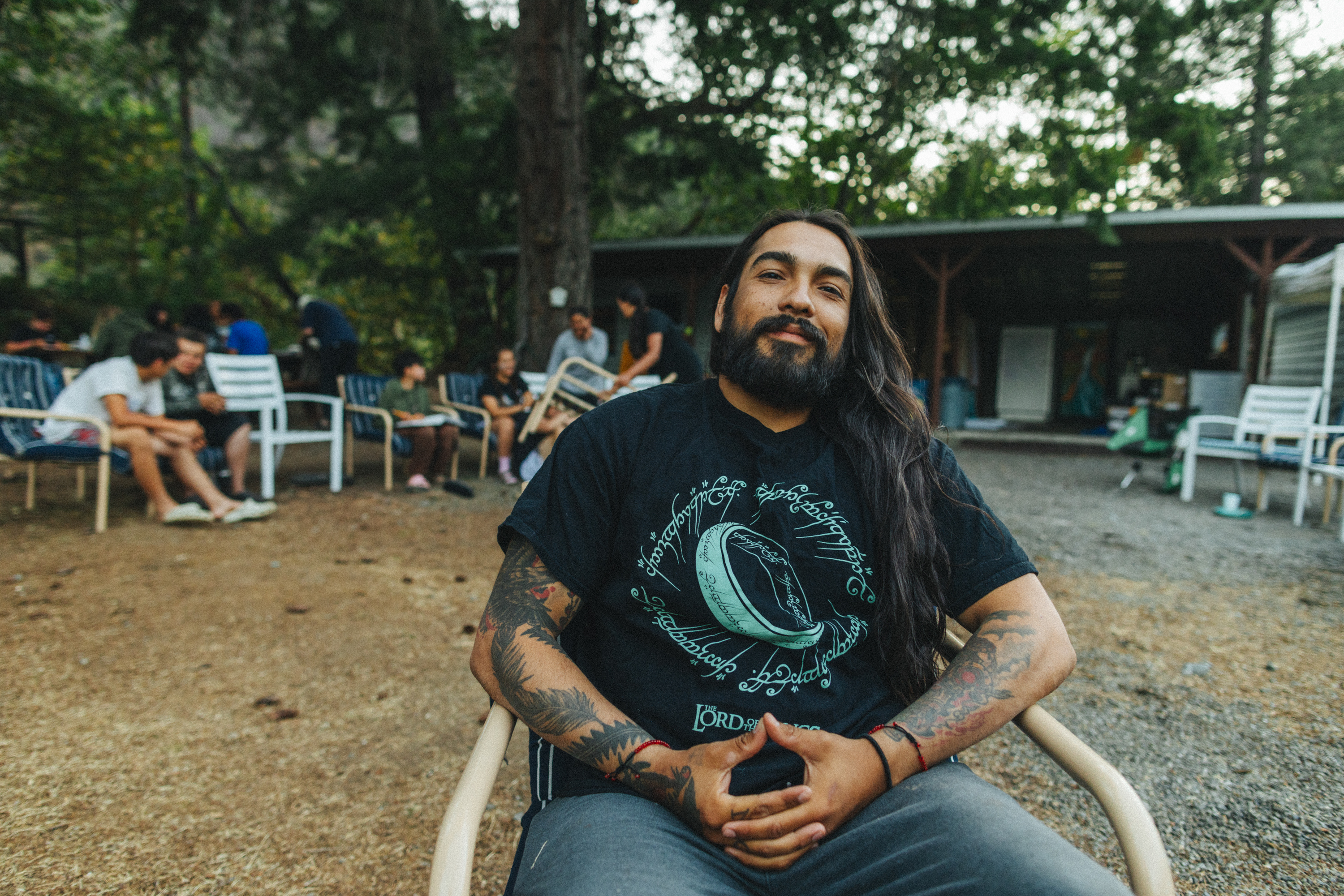
John Acuna, a member of the Hoopa Valley Tribe, grew up on the Trinity River, the Klamath’s largest tributary, poses for a portrait between his duties as a mentor, course leader, and kayak instructor for Paddle Tribal Waters.
Kory Powell
John and his peers weren’t around for the “down and dirty” fight for dam removal waged by his parents and grandparents. Now he’s ready to join a new generation of water advocates who can continue their ancestors’ legacy.
“This isn’t the end of a story, but the very beginning of one,” he says. “It kind of feels like a passing of a torch more than anything.”
In 2022, John was sitting on the bank of the Trinity, taking a break on a rafting trip, when the first cohort of Paddle Tribal Waters students came kayaking around the corner.
“We saw this huge group of beautiful, colorful boats and all these smiling kids who I recognized,” he recalls. “I was like, ‘Those kids are from my community!’”
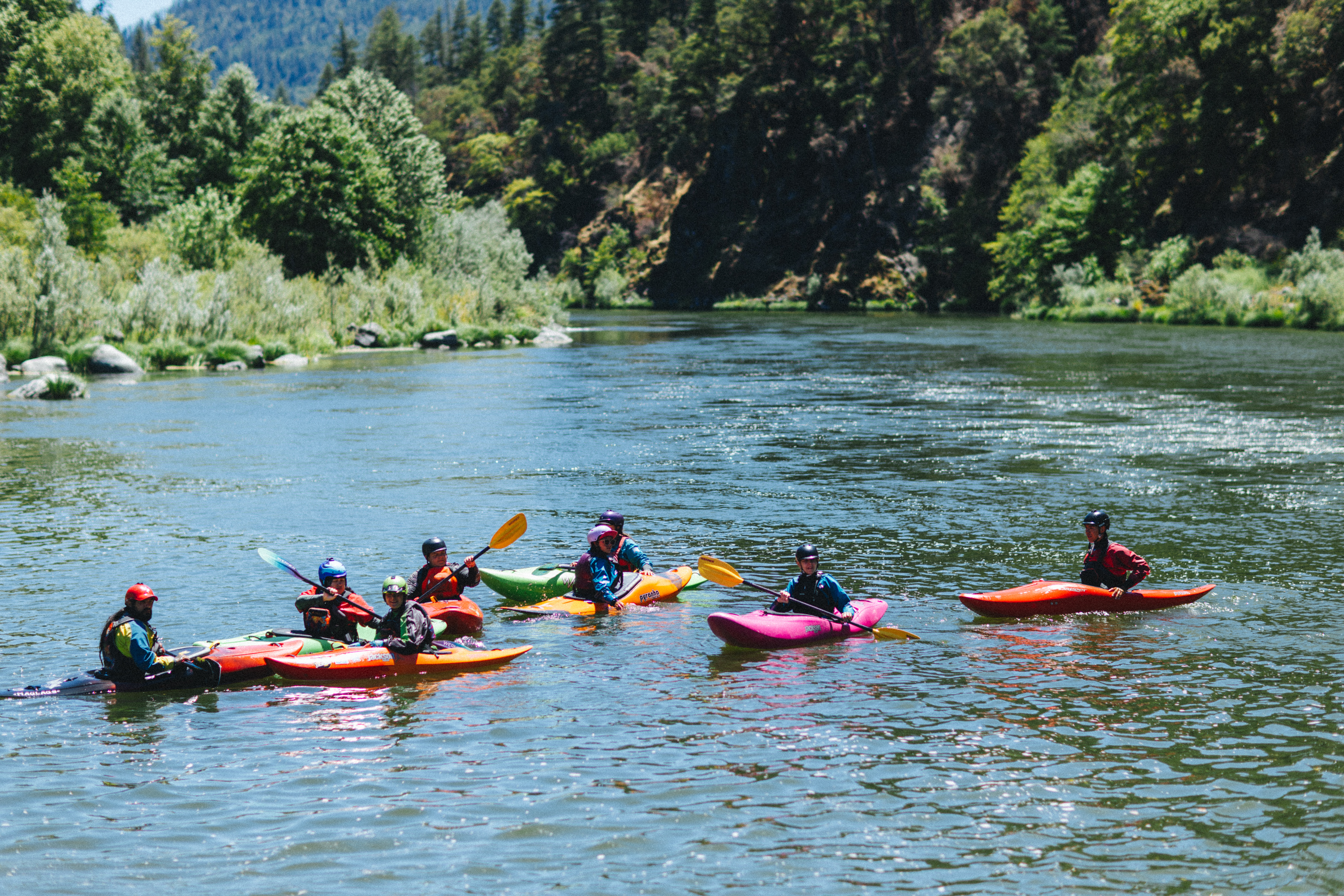
Indigenous youth from the whitewater kayak program, Paddle Tribal Waters, undergo a kayaking voyage through the Klamath Basin. They are halfway through a two-week experience combining paddling fundamentals and conservation.
Kory Powell
He was eating lunch with a friend, Amada Lang, who had a similarly visceral reaction.
Four years later, John is a mentor, course leader, and kayak instructor, while Amada leads outdoor adventure and cultural education. When they’re not leading trips with Paddle Tribal Waters, they’re busy building other pathways for Native kayakers to discover the sport and develop their skills.
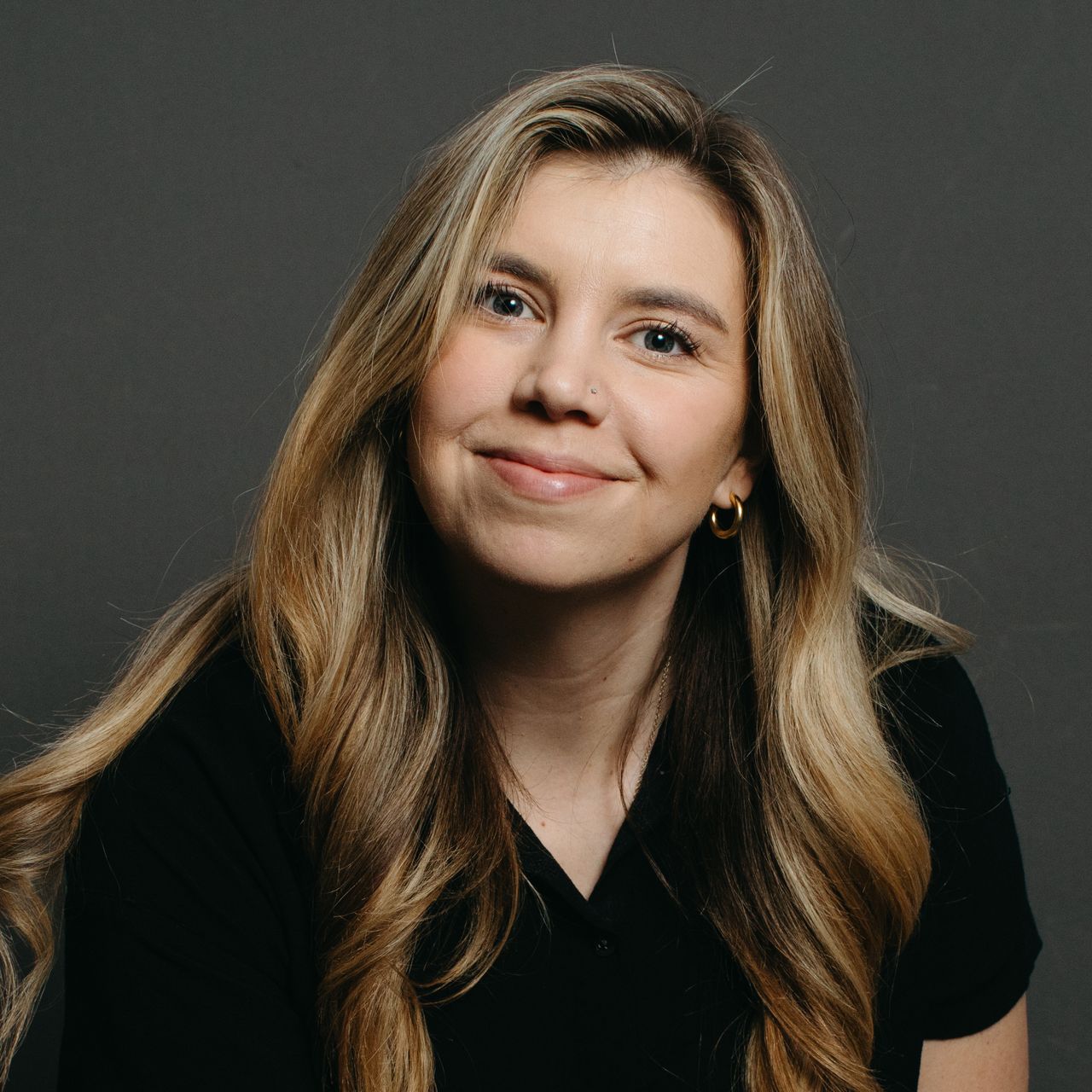
Amada identifies as Karuk, Wiyot, Konomihu Shasta, and Purépecha Native from Mexico. She founded an organization called Páah Áama Paddle Club to support Indigenous youth along the Klamath River.
As a child, Amada was raised in a single-parent household and the foster care system. When she turned 18, she aged out of most social programs and felt the support drop out from under her. With this new initiative, she hopes to “be somebody who [she] would have wanted”—a mentor, confidant, and constant positive presence in the community.
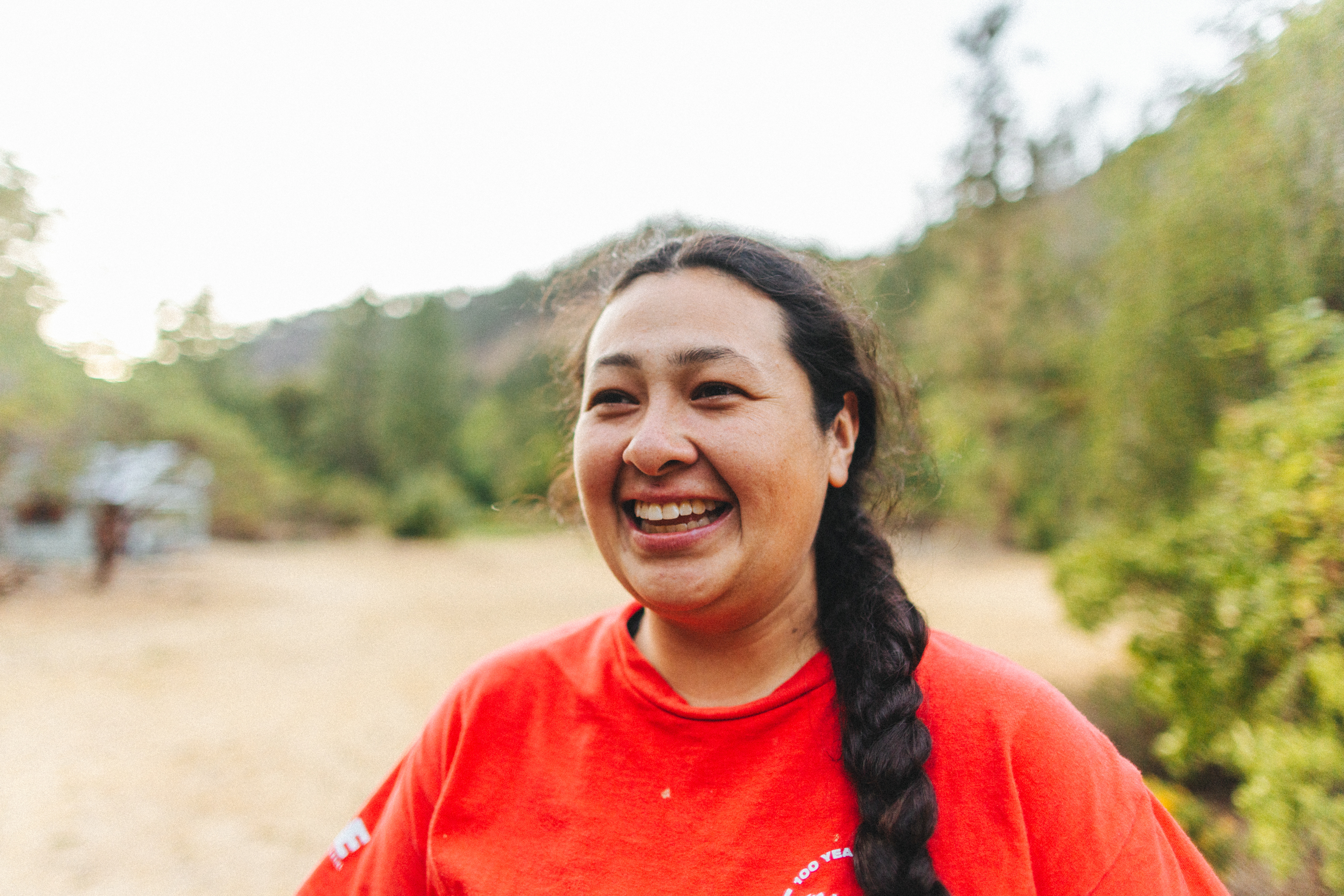
Amada Lang, founder of Páah Áama Paddle Club, an organization supporting Indigenous youth along the Klamath River, poses for a portrait.
Kory Powell
Páah Áama complements Paddle Tribal Waters’ temporary kayaking intensives with yearlong paddling opportunities for Karuk youth and young adults. To Amada, it’s all about providing as much time on the water as possible.
“You can preach at kids, you can tell them whatever, but if you get them out into that space and let them do something for themselves, they build that inherent love on their own,” she observes. “That's where the natural love builds. And that is where I've seen the most progress with our students mentally, but also progressively in their kayaking, and being advocates in their community.”
The flywheel effect of guides and students going on to launch Native-led river programs is a core element of the Paddle Tribal Waters strategy. Throughout our visit at camp, we heard multiple versions of the same refrain: healthy rivers feed healthy communities, and healthy communities feed healthy rivers.
Indigenous youth from the whitewater kayak program, Paddle Tribal Waters, undergo a kayaking voyage through the Klamath Basin. They are halfway through a two-week experience combining paddling fundamentals and conservation.
Kory Powell
Maqlaqs Paddle, led by Paul and Ashia Wilson, spun out of Paddle Tribal Waters to serve the Klamath Tribes.
Kiahna Allen, who participated in the first descent and joined Ruby and Keeya at COP30, co-founded Wana Waixtiłama to get youth on the water in Warm Springs, Oregon.
This year, John plans to open a paddling school in Hoopa and support a local club of his own.
As community-led whitewater programs grow across the region, every new Native kayaker represents another step towards protecting local ecosystems.
“It stops being a once a year summer program and it starts being a way of life for people,” he says. “Then everyone's on the river all the time. And it's my belief that it's really hard to tear something down when people are playing on it.”
It's my belief that it's really hard to tear something down when people are playing on it.
John Acuna
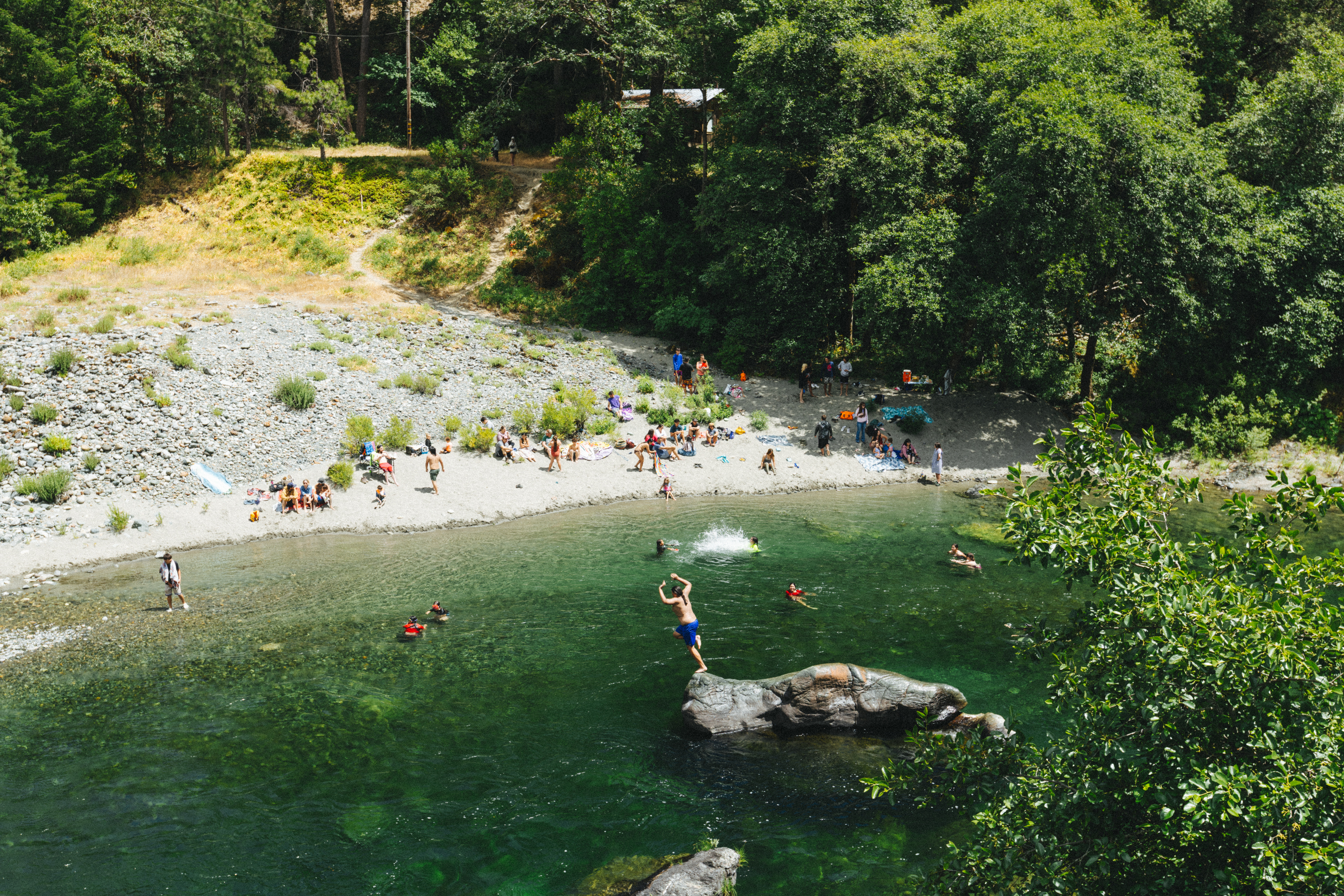
Indigenous youth from the whitewater kayak program, Paddle Tribal Waters, undergo a kayaking voyage through the Klamath Basin. They are halfway through a two-week experience combining paddling fundamentals and conservation.
Kory Powell
“If you care for the river, you also care for yourself.”
Natyia Whipple, 16, arrived at Otter Bar Lodge this June expecting to feel a little lonely.
After a few previous experiences with river rafting, Natyia was ready to try her hand at kayaking. When she got word that a last-minute spot in the program opened up, she eagerly claimed it. She was the only attendee from the Round Valley Indian Tribes in Lake County, California, but that didn’t deter her.
“I have to represent my tribe in a good way,” she explains. “A lot of people love the river, and I think it'd be such a good thing if people can say, ‘Hey, that's my cousin!’ I want to encourage my tribal folks to keep traditions alive.”
On her first day at camp, Natyia met young people from a variety of backgrounds. The kids naturally broke into small groups with friends and family they already knew, slow to warm up—as teenagers often are—to new faces in the crowd.
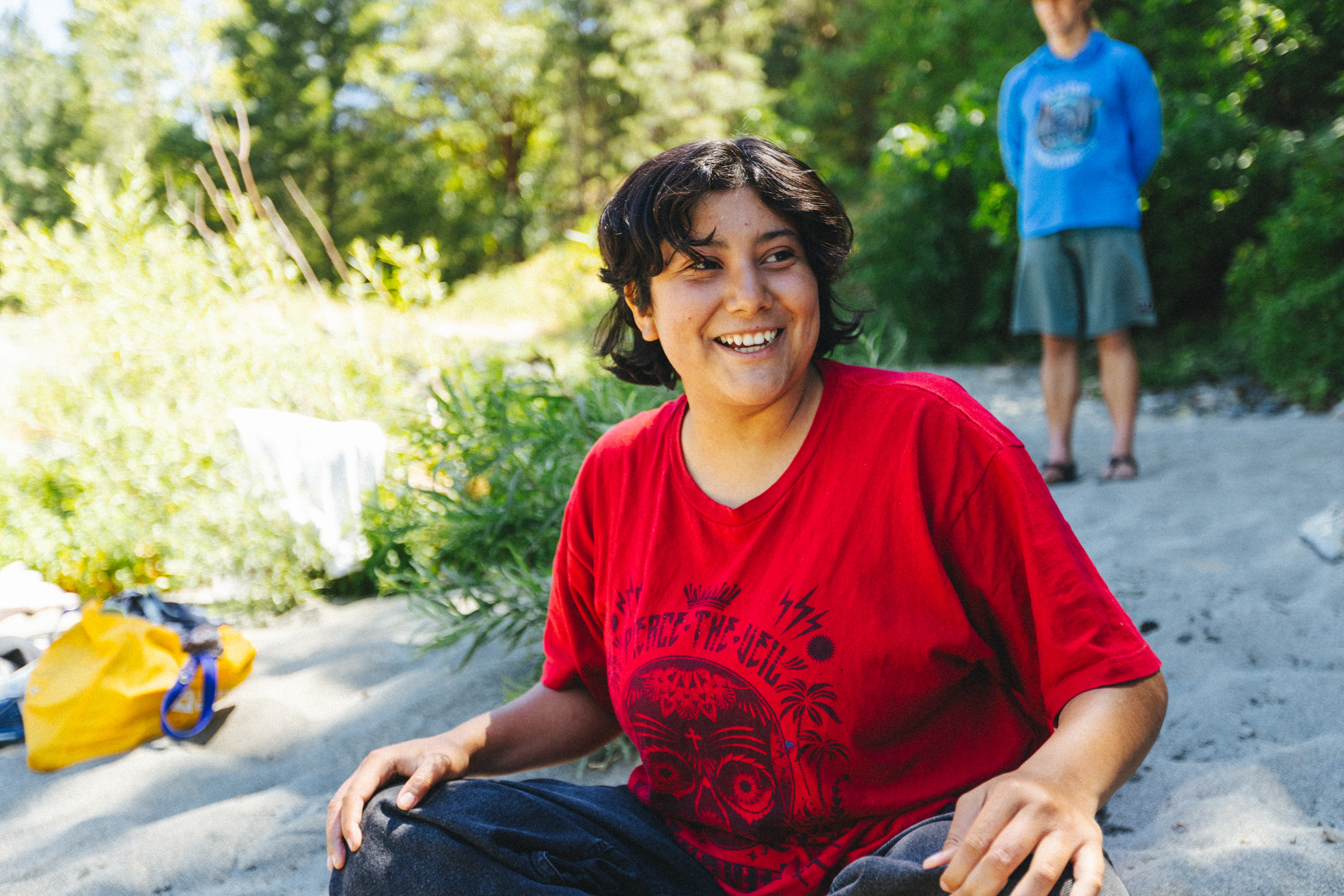
Natyia Whipple laughs with other indigenous youth beside the river.
Kory Powell
By the second day, jokes, laughter, and physical proximity began to work their magic. They took breaks from kayaking lessons to play cornhole, catch bullfrogs, and share stories over meals.
At one point, a group of campers began playing stick games (also called handgames), a traditional form of gambling that prominently features music. Participants sing songs designed to invoke luck, confuse their opponents, and provide a sense of rhythm as they hide sticks behind their backs.
Before he left home, Qhenhi was encouraged by a tribal council member to write new stick game songs in his language. On the drive down from Chiloquin, Oregon, he pulled out a dictionary and wrote a few with his father. The two he debuted at camp were quite direct, with refrains translating to “You lose,” and “See like you’re blind.”
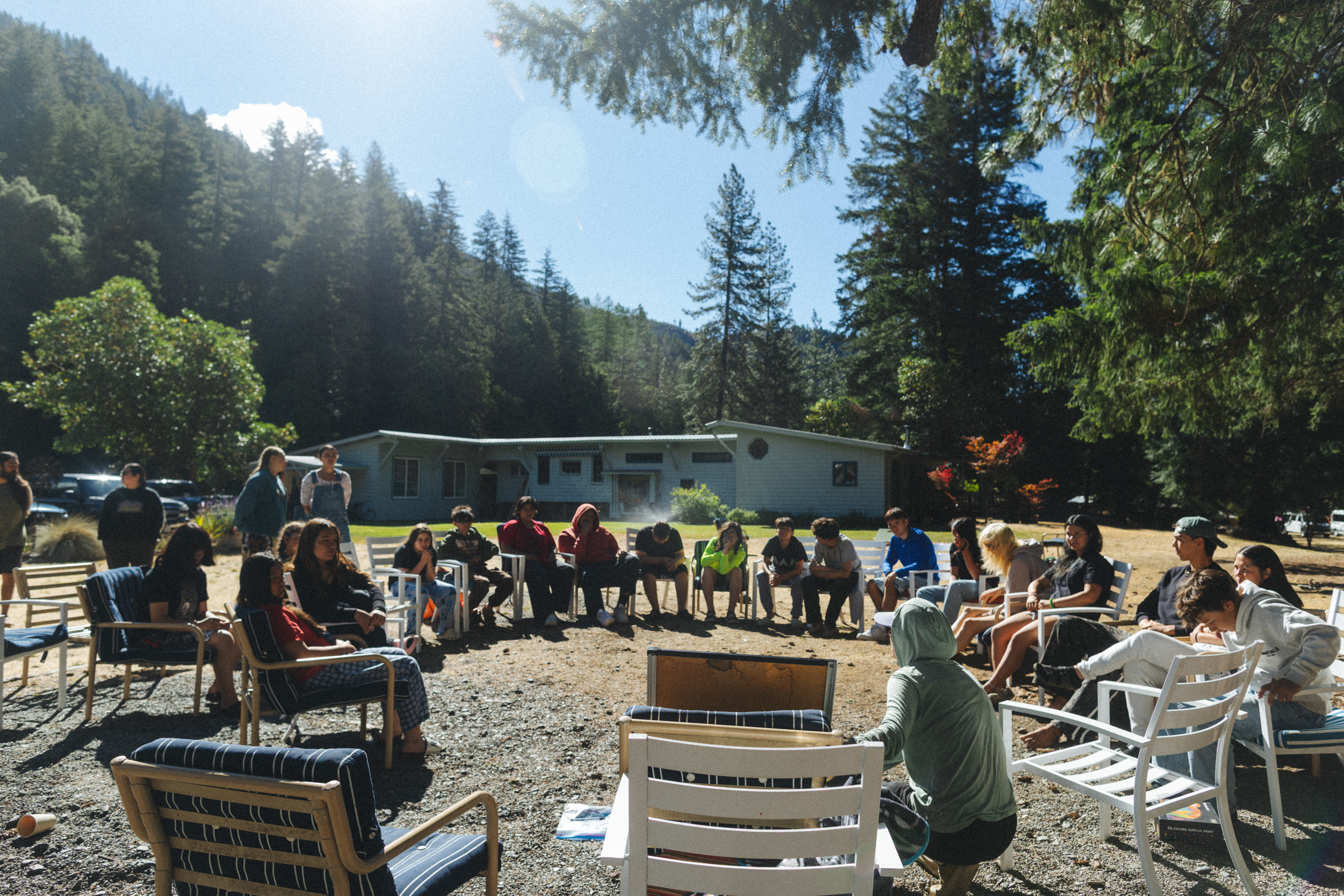
Indigenous youth from the whitewater kayak program, Paddle Tribal Waters, gather to learn paddling fundamentals and conservation during their two-week-long experience.
Kory Powell
Then Natyia joined in with a song of her own. Called the “Going Away Song,” she first learned it from her aunt when her grandfather passed away.
Qhenhi stopped her. “I’ve heard that song!” He and his father often sang it in sweat lodge ceremonies, and they also used it in times of mourning. He didn’t know that other tribes sang it, too.
Surprised, Natyia called a relative, who explained that their family came from a long line of traders who swapped music in addition to food and goods. “At some point, someone up north probably traded that song for another song,” she said.
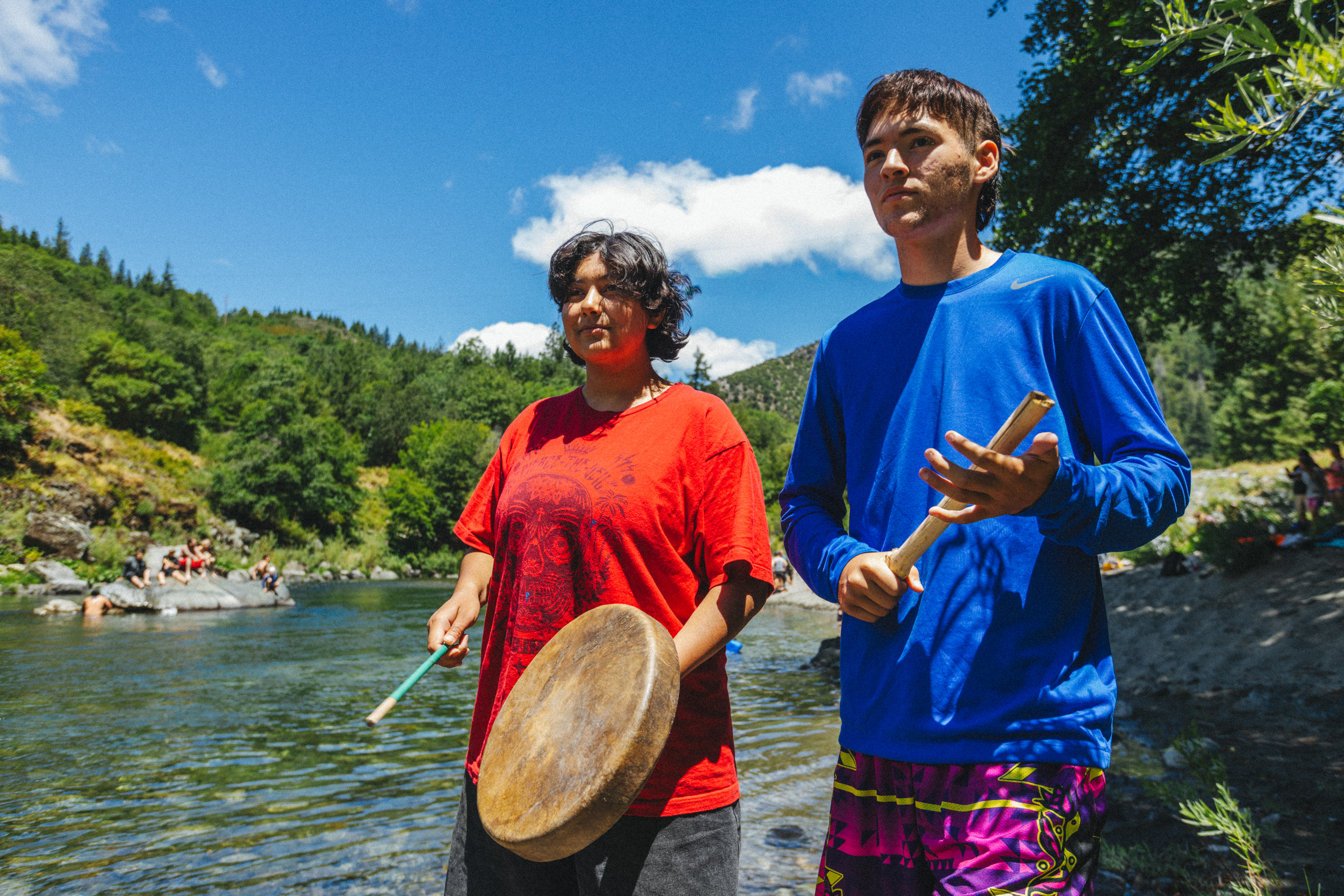
Natyia and Qhenhi share songs with other indigenous youth beside the river.
Kory Powell
Since that moment, Qhenhi, Natyia, and their peers haven’t stopped sharing songs. They sing them during games, at meals, and along the river, carefully explaining the meaning behind each one.
“I think it's cool how those stories get passed along from different peoples and different tribes and how the meaning sticks with it,” Qhenhi says. “It’s not lost, it’s just given to someone else.”
The students are here to learn the basics of kayaking, but in the process they’re uncovering a more fundamental truth: The water has connected their people for millennia, and it will continue to do so as long as the water flows freely.
For these youth, even when the water was toxic and unswimmable, water loomed large in their understanding of the world. It’s an inseparable part of their identities.
Now, as they pick up paddles and spend their days on the river—often for the first time in generations—that affinity deepens.
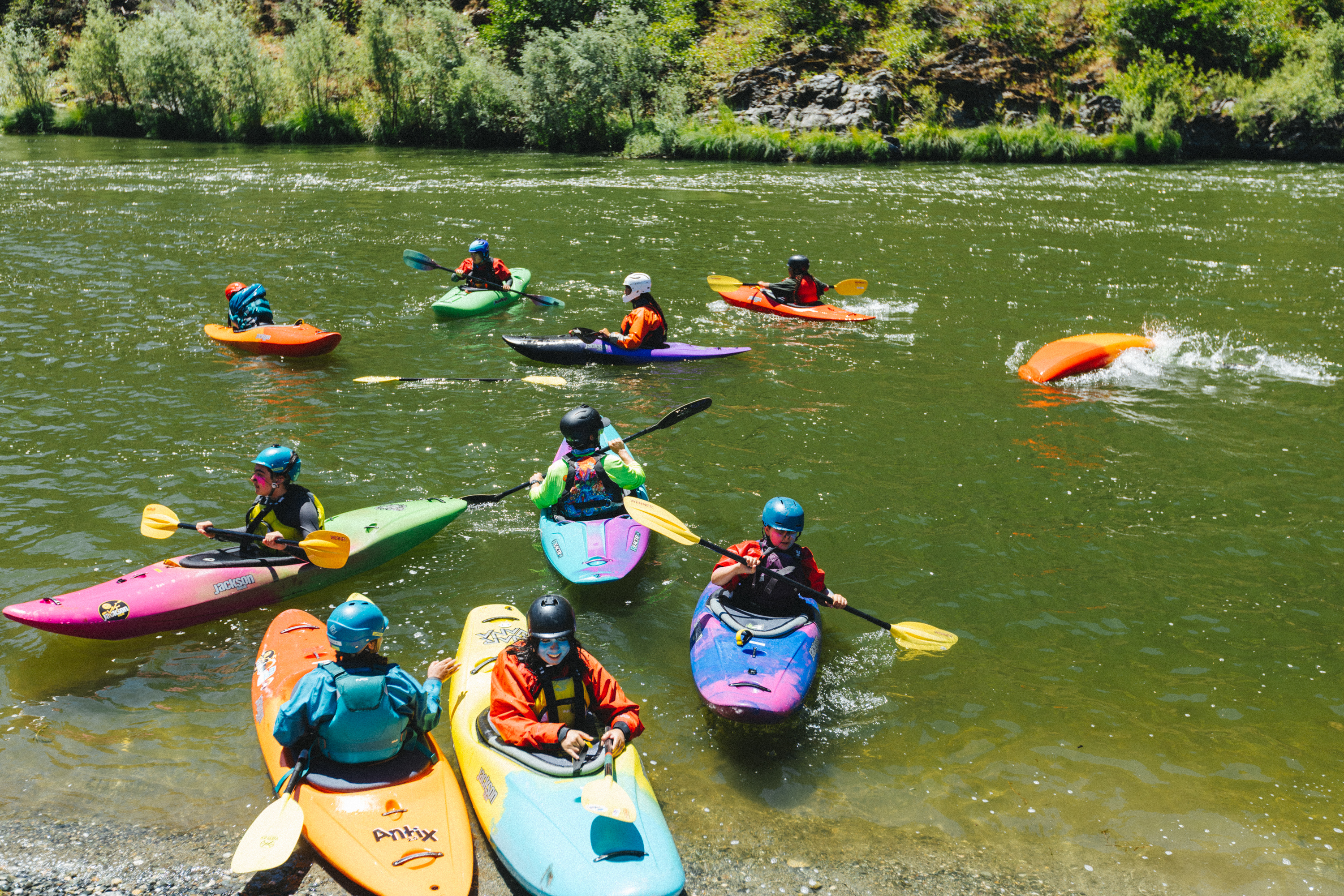
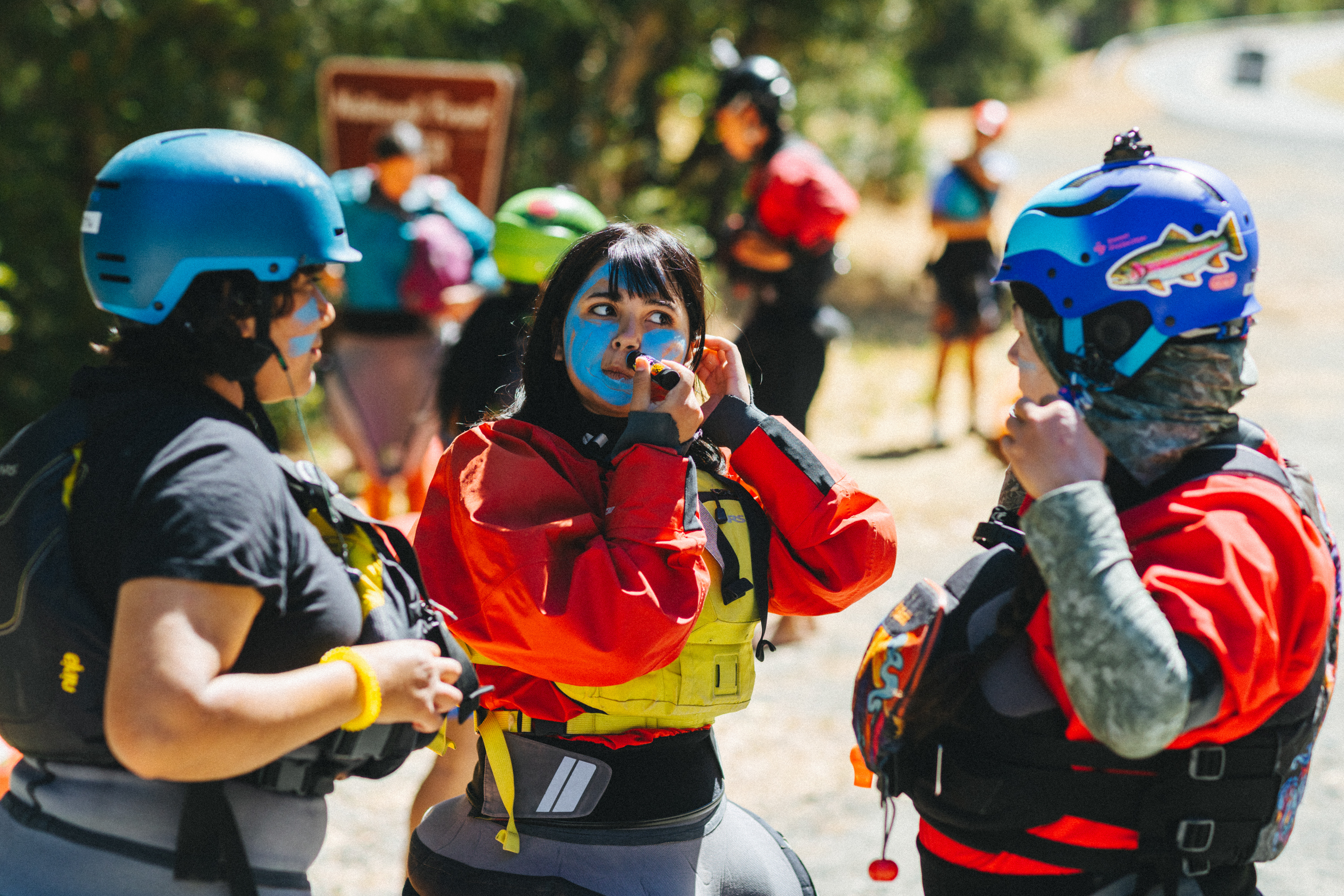
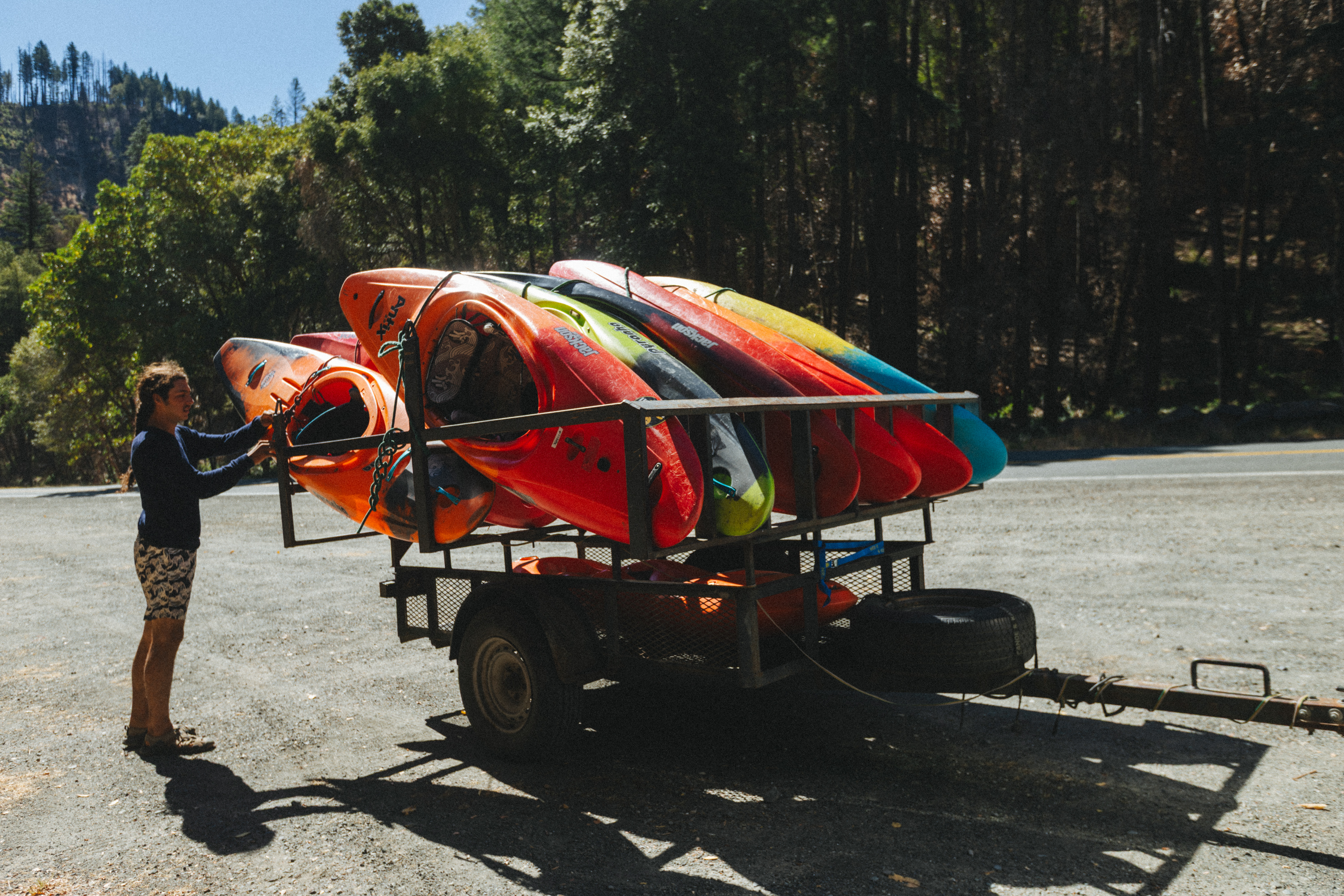
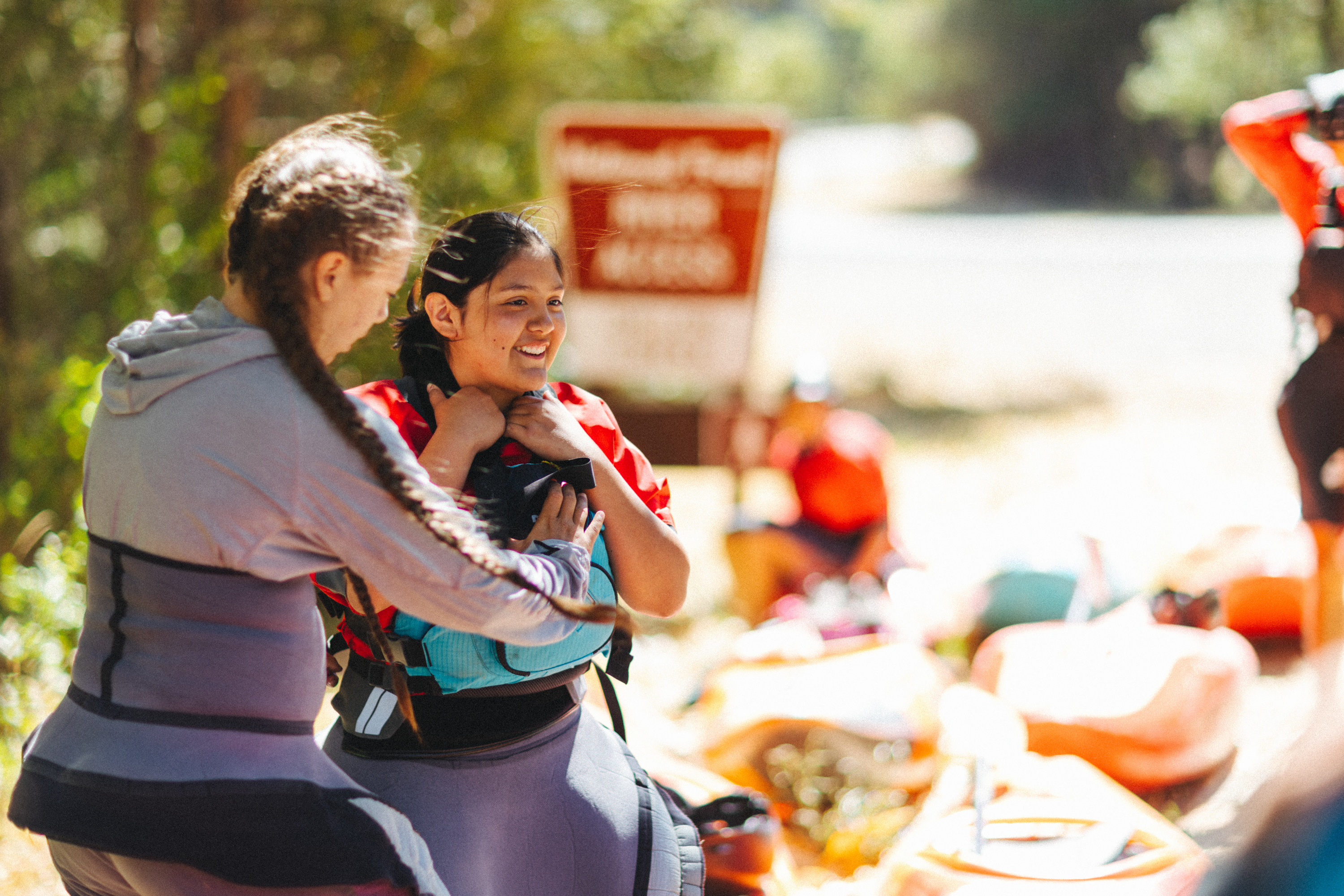
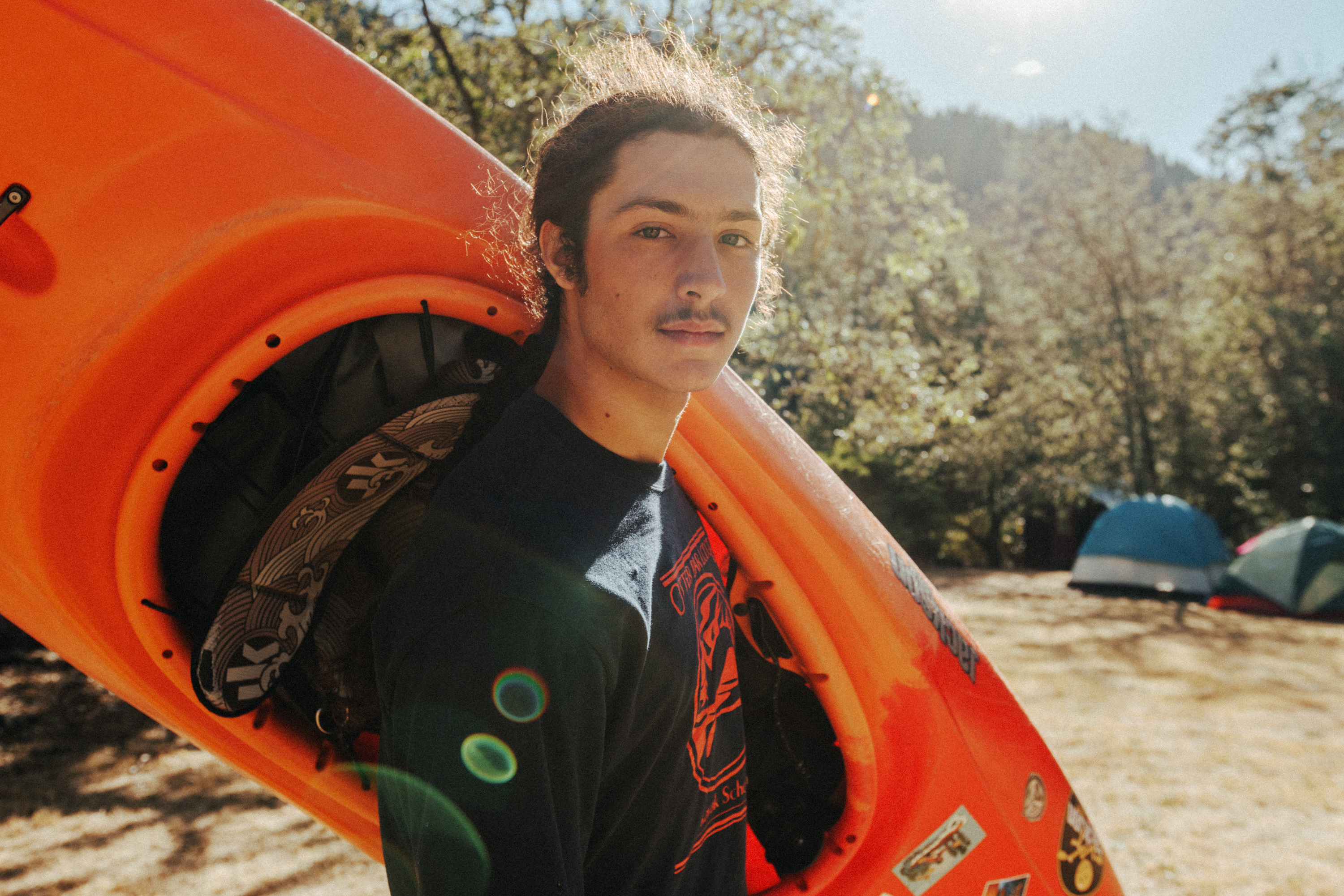
Indigenous youth from the whitewater kayak program, Paddle Tribal Waters, undergo a kayaking voyage through the Klamath Basin. They are halfway through a two-week experience combining paddling fundamentals and conservation.
Kory Powell
To Natyia, the river is a place to process life: “My mom has always told me, ‘Whenever we're going through hard times, just let the river take it.'”
To Qhenhi, the river is a bridge to others: “The way I was taught… is that water holds a memory. I like to think that this water knows all of us, and knows all the people that live next to it, and knows all the people that have touched it.”
To Carmen Ferris, 16, a junior counselor, the river is a life source: “A healthy river keeps the people healthy, keeps the animals healthy, and keeps the fish healthy… When the river's sick, you're sick. But if you care for the river, you also care for yourself.”
To all of the students spending their summer break on the Klamath, the river is everything.