Borderlands
Hope is thick in the borderlands. Many have persevered through extortion, assault, hunger, and the harshest of hazards to make it here. Whether families arrived from further south in the Americas or from other Mexican states, Ciudad Juárez has long been a landing pad for those driven by hope for the future and a desire to be useful.
“For us, the border equals work,” says Roberto Martinez Olivarez. Unable to build livelihoods within their hometown’s mining industry, Roberto and his brothers moved with their parents to Juárez in the mid-eighties. In a northernmost neighborhood on Río Bravo Drive, their classic multi-level, multi-generational home faces the rising sun, the mighty river, and the border fence. From the rooftop we wave and holler to friends gathered across the way—Sami, Sal, Edduar, and others—standing between the muraled walls of their offices and the historic barracks of Old Fort Bliss.
This friendship through the fence is not an aside to Abara’s work; it is the shape of it, and a cornerstone of what’s to come. It was Rosa, coordinator of migrant services for Abara, who first knocked on Roberto’s door with an invitation to lunch. A date was set and Abara’s U.S.-based team crossed to join the Juárez-based team at Roberto’s for tacos and tamales, stories and singing. “It has been very gratifying, this whole idea of just spending time together,” says Roberto. “This love bond was formed that didn't seek to gain anything, and I was touched that they bothered to obtain my friendship.” In some ways, this story is as simple as that.
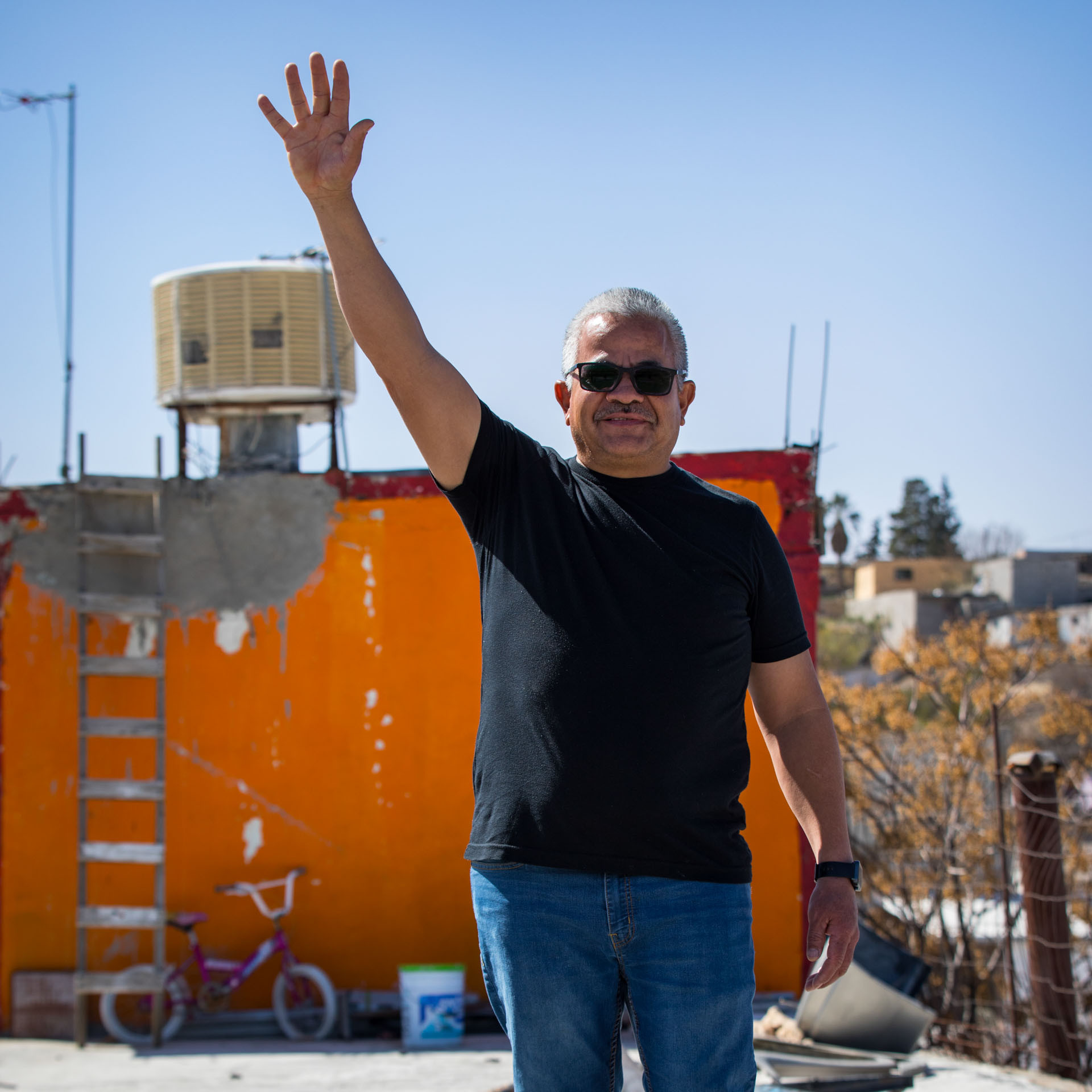
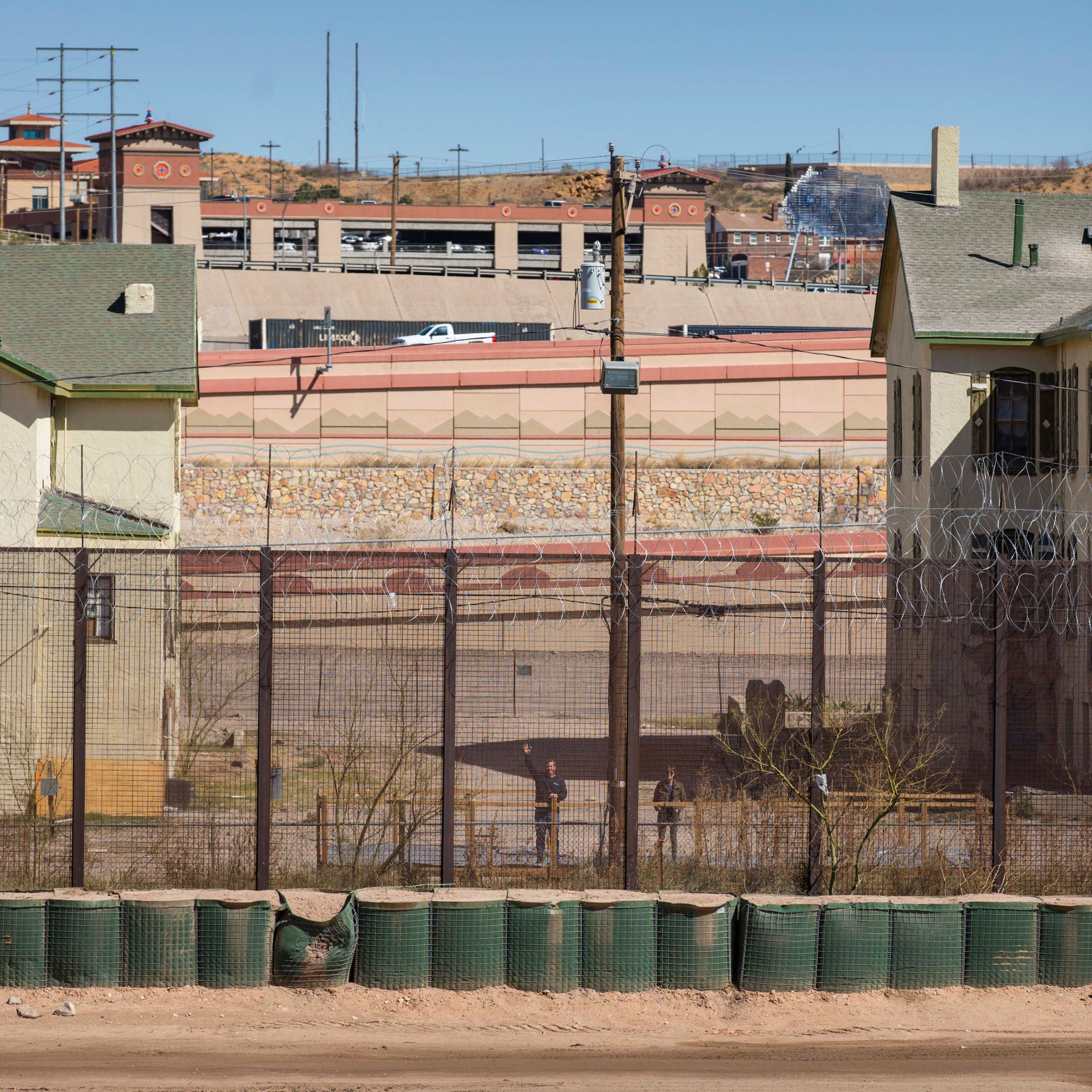
Roberto (LEFT), who lives on the border in Juárez, Mexico, waves to Sami DiPasquale (RIGHT) on the El Paso side of the border fence.
STEVE JETER
It's important to show how united we can be. It's not about a border. A border is a man-made thing. Only through God can we be together.
Roberto Martinez Olivarez, Abara Friend and Neighbor
But of course there’s more to it. Though bifurcated, the Juárez - El Paso landscape has long been a place of crossing and intersection, of vibrant bicultural and bilingual blending. The border bridge lifts citizens and guests over the Río Grande and into El Paso, repeatedly ranked among the safest large cities in the U.S., with a deeply binational, immigrant-rich population. Friends on both sides describe the days of freer flow with a lilt of nostalgia, when Luke could cross as a youngster with little more than a quarter and Alejandra crossed with family for a day’s worth of adventure in “the land of Burger King and Toys “R” Us.”
Since moving to El Paso 22 years ago, Sami DiPasquale has desired for people to understand more about the border—“the complexities of migration, the beauty that exists in this very liminal space; this in-between of cultures, of languages, of history, the context of where we're sitting right now,” he says, eyes bright and gentle. Sami founded Abara several years ago for this purpose, building from 15 years as Executive Director of Ciudad Nueva, where he cared for youth and families with the varied needs and challenges that come with new beginnings and life “in-between.”
Within months of receiving official nonprofit status, Abara put contracts on a five acre splinter of storied earth, including La Hacienda, one of the oldest buildings in El Paso. Here, Sami and the team have begun planning what could be the first and only permanent center for peacebuilding in the borderlands—a center for education and transformation that will outlive all of us.
“Here we are in the middle of the chaos and the beauty of the border, with border patrol and militarization at the edge of our property,” says Sami. “But what has emerged is this overwhelming urge and passion and belief and desire and conviction that this space—this five and a half acres, these seven buildings right on the border fence—could be a physical place to explore all these issues of belonging, of othering, of borders. A place to learn about peace building efforts, contemplative practices, physical practices of nonviolence, and experiences of pilgrimage and immersive learning, retreat and transformation.”
It’s called Abara House—house of the crossing.
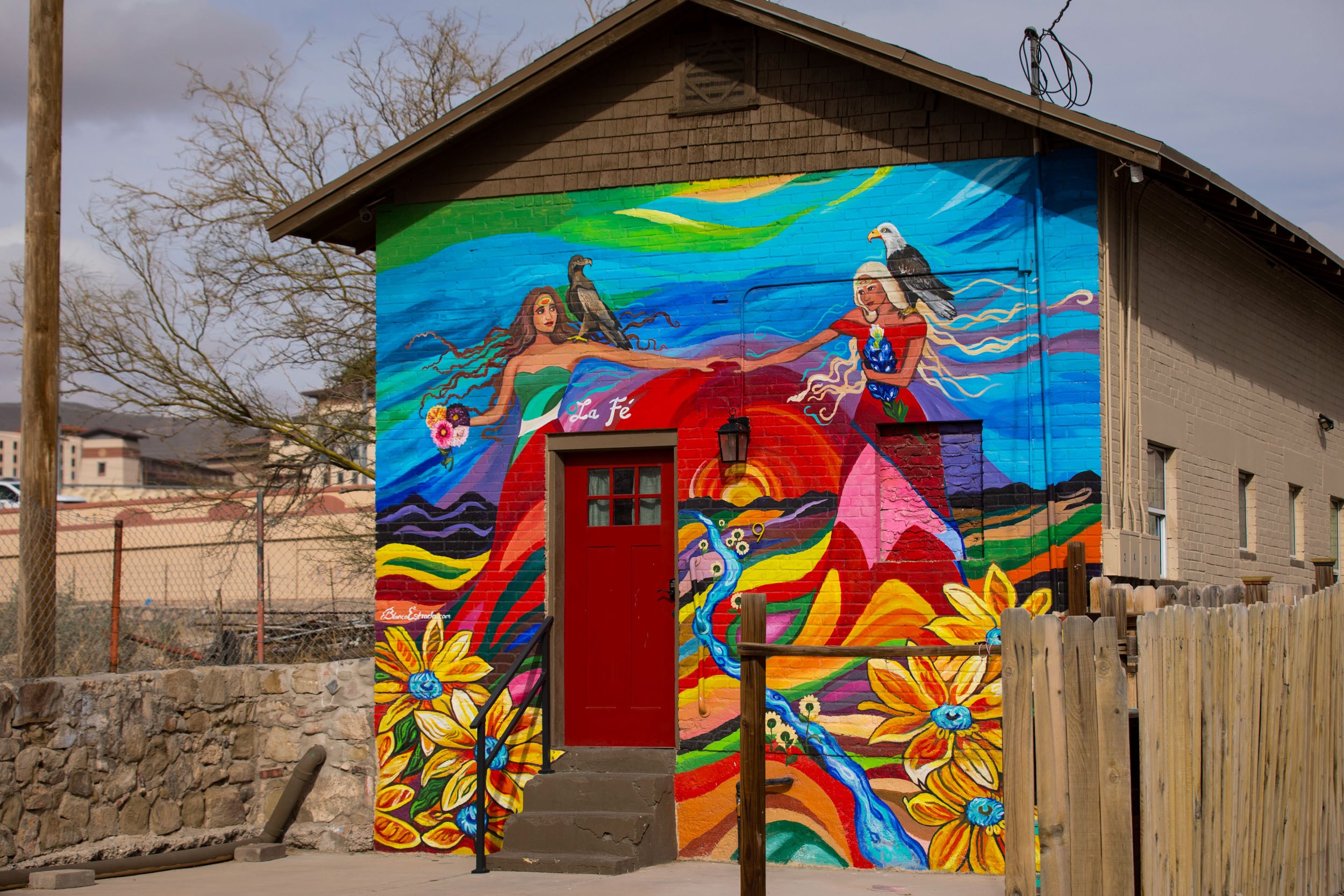
"Two Sisters" mural painted by Blanca Estrada on the Abara office, representing Mexico and the U.S.
STEVE JETER
In Between
Almost immediately, Sami engaged local artists to visit the campus and layer its new life with their art. Blanca Estrada and Rafael Batrez were among the earliest collaborators. The first time Blanca visited Abara, memories hit like a flashflood. “I was five years old when we swam that river,” she says. It was she, her three-year-old brother, her stepmom and a new uncle—“the four of us, I remember, and a parrot in a cage—his name was Pepe and had been with us 40 years. And actually I didn't swim. I had to hold onto my uncle, my little brother did the same. When I approached the wall that day with Abara, everything started coming back to me and I had to tell my story.”
Inspired by the roaming herd of feral cats, Blanca remade the dumpster into an artful anchor at driveway’s end. She also painted an exquisite mural depicting two sisters, one Mexican and one American, holding hands across the Río Grande on the entire western face of the main office building. “The idea is to show that we're holding hands, we're trying. There's no boundaries that will hold us away from each other. They are united and can count on each other like sisters,” she explains. Blanca is midway through her next installation, Stations of the Cross—20 frames portraying Jesus’ migration journey, fleeing persecution and seeking refuge. Soon, the series will hang facing Juárez on the rear of Abara’s buildings. At that point, the only things standing between Roberto’s home and Abara’s offices besides the border fence will be Jesus and the stations of the cross he carried.
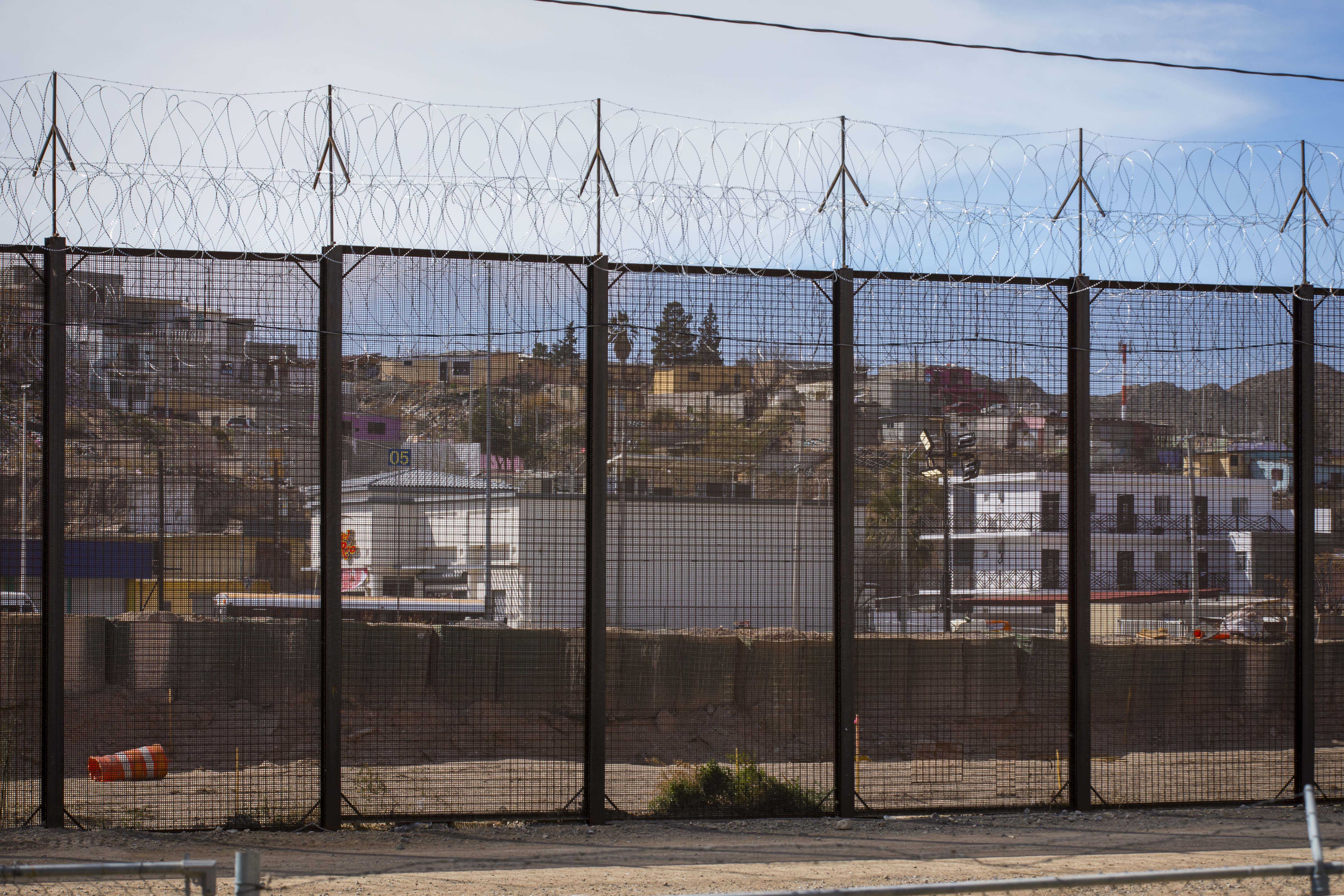
Juárez, Mexico photographed from the El Paso side of the border fence.
STEVE JETER
Rafael was introduced to Abara when Sami first entered his shop, El Paso’s Finest, on N. Mesa Street downtown. 30 local artists sell their work at the shop—painters, leather workers, photographers—and every square inch is put to good use. “Sami walked in the shop one day and just fell in love with everything,” says Rafael. An invitation followed and he went to visit the properties Abara had just put under contract a few weeks prior.
“I was starstruck,” says Rafael. “Once you're there you get that feeling of it being buried alive… that whole section between the wall and the freeway feels like it's purposely just being ignored.” To date, Rafael has organized two art festivals with multiple artists painting live, as well as Abara’s five year anniversary event with a pop-up market. He encourages all the artists to paint wood boards, which he then installs to cover the windows of yet-to-be renovated buildings in an artful way.
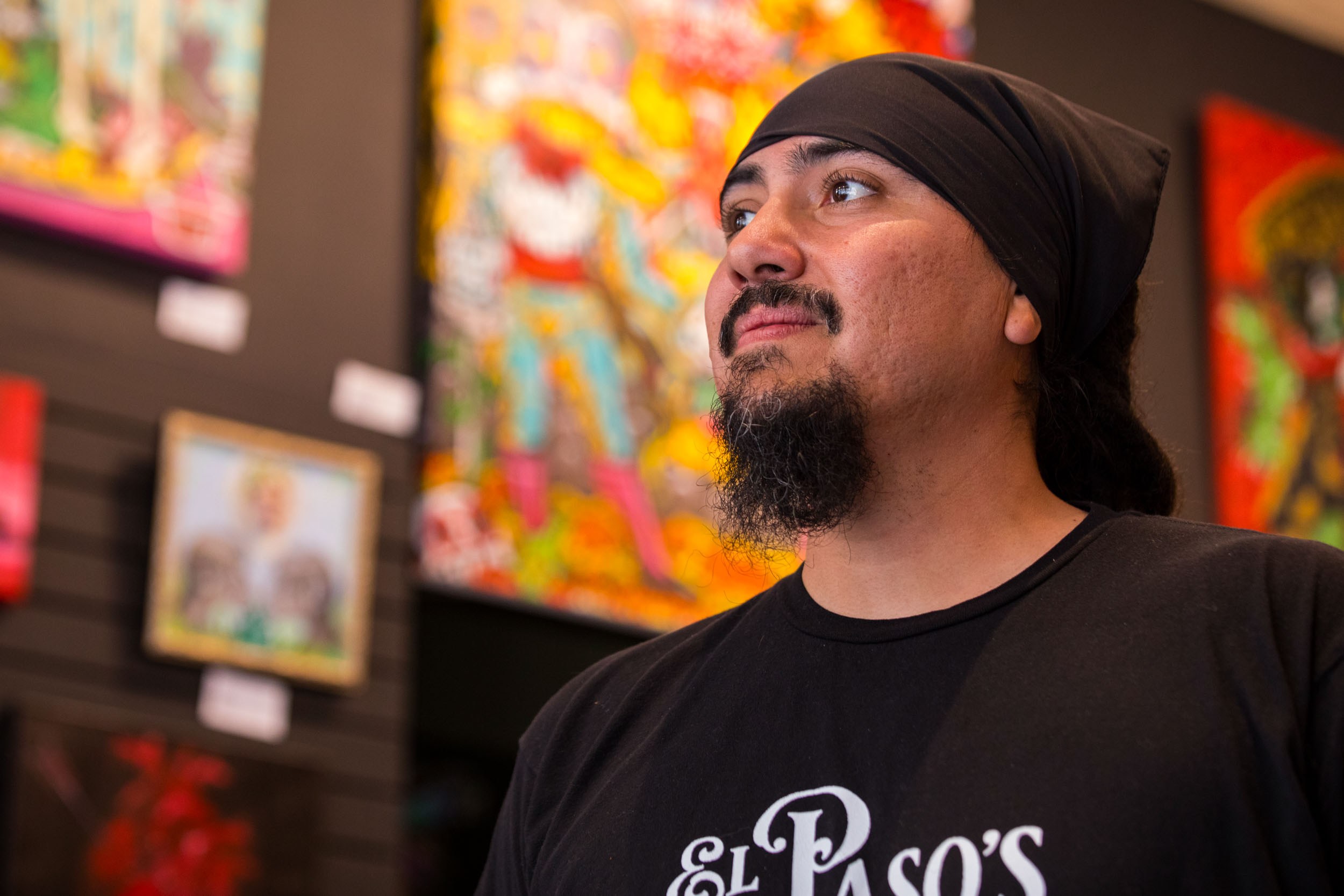
Rafael Batrez in his shop, El Paso's Finest.
STEVE JETER
Imagine all the art, bringing two cities together—just an imaginary line that they put to separate us. This is the most unnecessary fence in the world.
Rafael Batrez, Owner, El Paso’s Finest
“When you’re there, go touch the actual wall. It has more meaning,” says Rafael. “I mean, people die crossing that wall. Even when we had the festival, we saw people jumping. It is real, but I never felt in danger or anything. The opposite—I want to throw a festival next to it.” Rafael throws the festival, and Salvador Jr.—a native El Pasoan and Abara’s master of all trades—makes small crosses out of the rebar used for makeshift ladders by those jumping the wall.
These dynamics illuminate a unique dimension of border identity, which is described to me as an unshakable sense of being in-between. Fluidity. Openness. Bilingual. Bicultural. Blended. “People who grow up on the border develop a tolerance for ambiguity,” says Sarah De Los Santos Upton, an associate professor at University of Texas at El Paso (UTEP). “We're so used to not fitting in neat, easy boxes that we become comfortable with that discomfort and lean into it in some ways.”
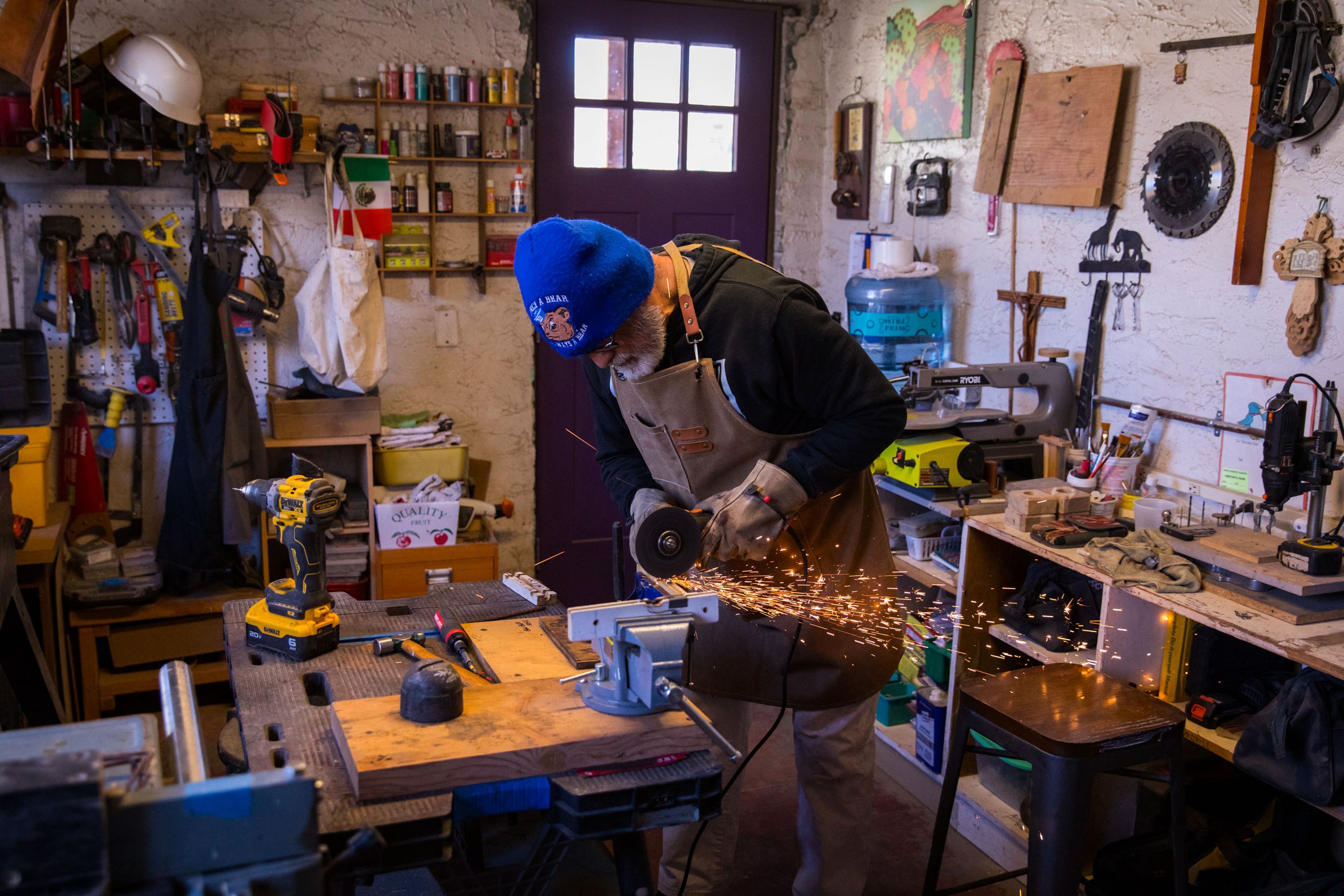
Salvador Sierra Jr. creates crosses from salvaged rebar in his workshop on the Abara campus.
STEVE JETER
Though Sarah grew up here, the history of Abara’s campus was not a part of her education. Now with a doctorate and background in border studies, she is on the board of Abara and integrating border issues into her classes. “We took my students on a sort of border encounter over the course of a semester,” she says. “It is really powerful and every single one of us learned something that we didn't learn from living here already.”
“In addition to bringing people from outside to learn, I want to find ways to bring local community members,” she says. “I've seen how people are changed by what they learn.”
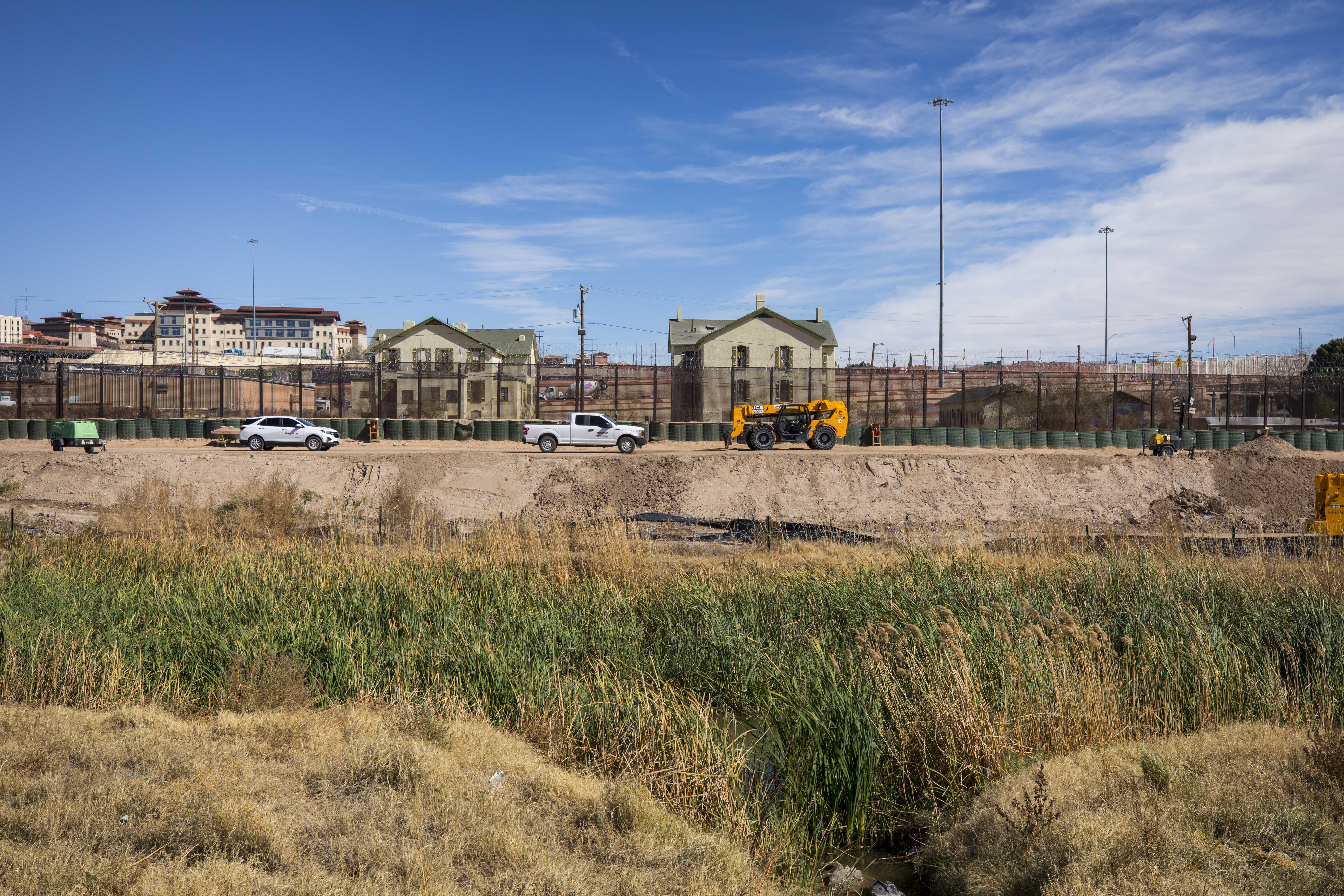
The Abara property photographed from the Juárez side of the border, with the Río Bravo (Río Grande) in the foreground.
STEVE JETER
500 Years
There are 500 years of history on this property, including indigenous pathways, Spanish colonization, Mexican independence, U.S. westward expansion, enslaved African Americans, and immigrant Chinese labor building the railway. “And that’s just through the 1880s,” Sami says. “Then all the waves of people coming or going over the last 140 years. It's beautiful, it's complex, and it's tragic in a lot of ways, but there's also so much good.”
Helping Abara discern and shape this future is MASS Design Group, a nonprofit architecture firm known for tying design to justice and memory. Alejandra Cervantes, a lead collaborator, and Patricia Gruitz, an executive director, first visited Abara in July 2025 to get eyes on the ground and learn about the vision.
“We went on this really intense two day trip. It was jam-packed with being at La Hacienda, being on the site, looking at the wall, going to Juárez, meeting all these people,” Alejandra says. “And we came back feeling a kind of urgency and inspiration: This is something incredibly important.”
MASS formally started the first phase of collaboration in January 2026. This phase, as Alejandra explains it, is all about listening. The team conducts extensive desk research and analysis to understand the multi-layered history of this site, then facilitates community engagement with Abara’s Wisdom Council, a wide net of individuals and groups from different backgrounds invited to shape the vision.
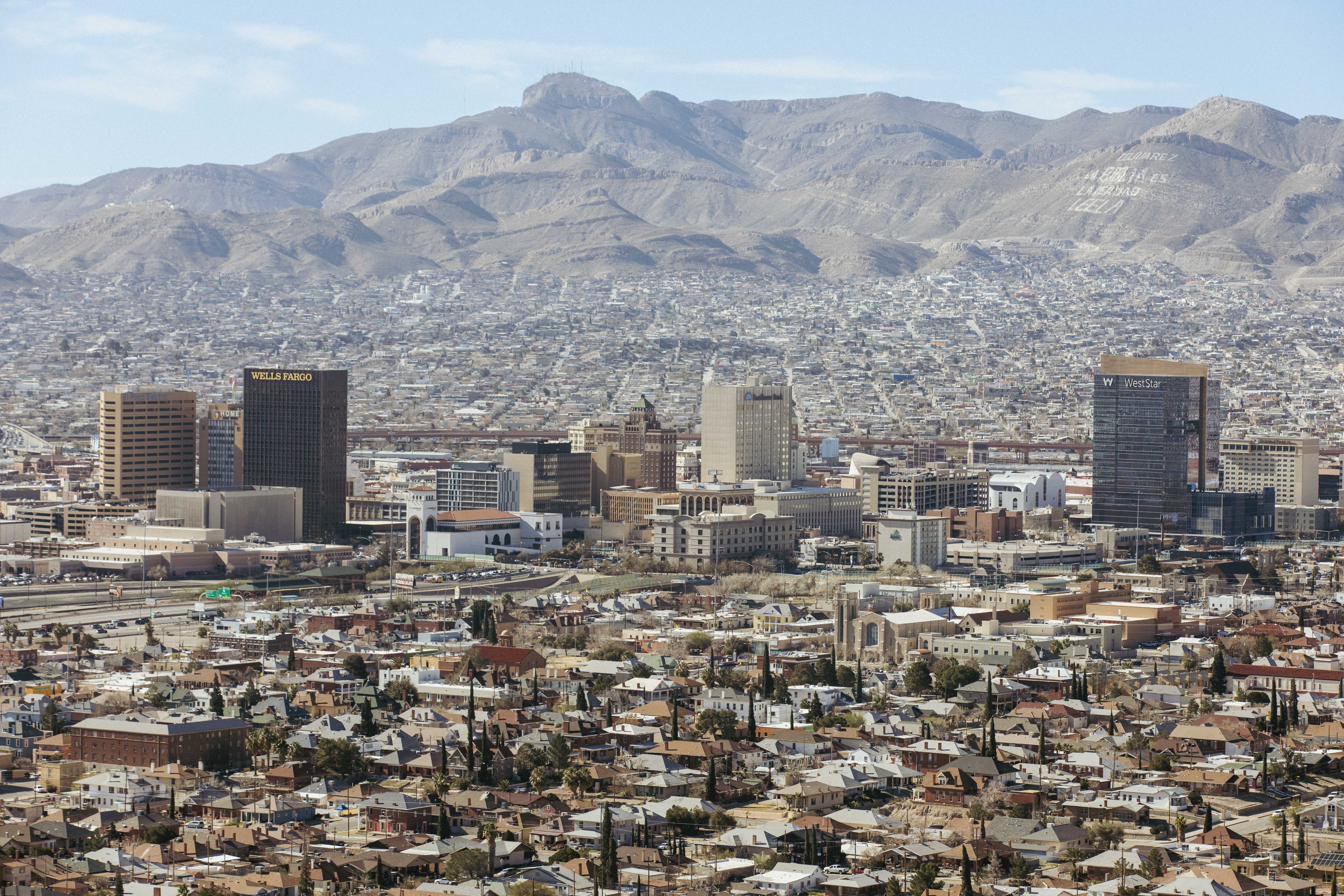
Downtown El Paso in the foreground, with Juárez, Mexico in the background.
STEVE JETER
“Our focus for this first phase is to look at the campus as a whole—the visitor experience, the journey—and ask: What does it feel like to be there? What are people learning? What are they doing? What are they seeing when they encounter these different histories?” says Alejandra. Then the team will tackle the next major question: How do we learn from the land itself?
“A lot of people who will come here will be able to relate to being othered, or struggling with different policies affecting them,” says Alejandra. “That is one big thing that we're feeling very drawn to right now—the question of how do we showcase that through space? We want that to become something that you deeply feel and witness when you're there—a sense of resilience.”
La Hacienda is the heart of the Abara properties. With its adobe walls and a bar long wrapped in Pancho Villa lore, La Hacienda is a story in itself—a legendary home and restaurant remembered by many El Pasoans for the popularity of its Sunday lunch and its role in myriad milestone celebrations—birthdays, retirements, quinceañeras, rehearsal dinners, you name it. The walls and creaky closets are stockpiled with stories.
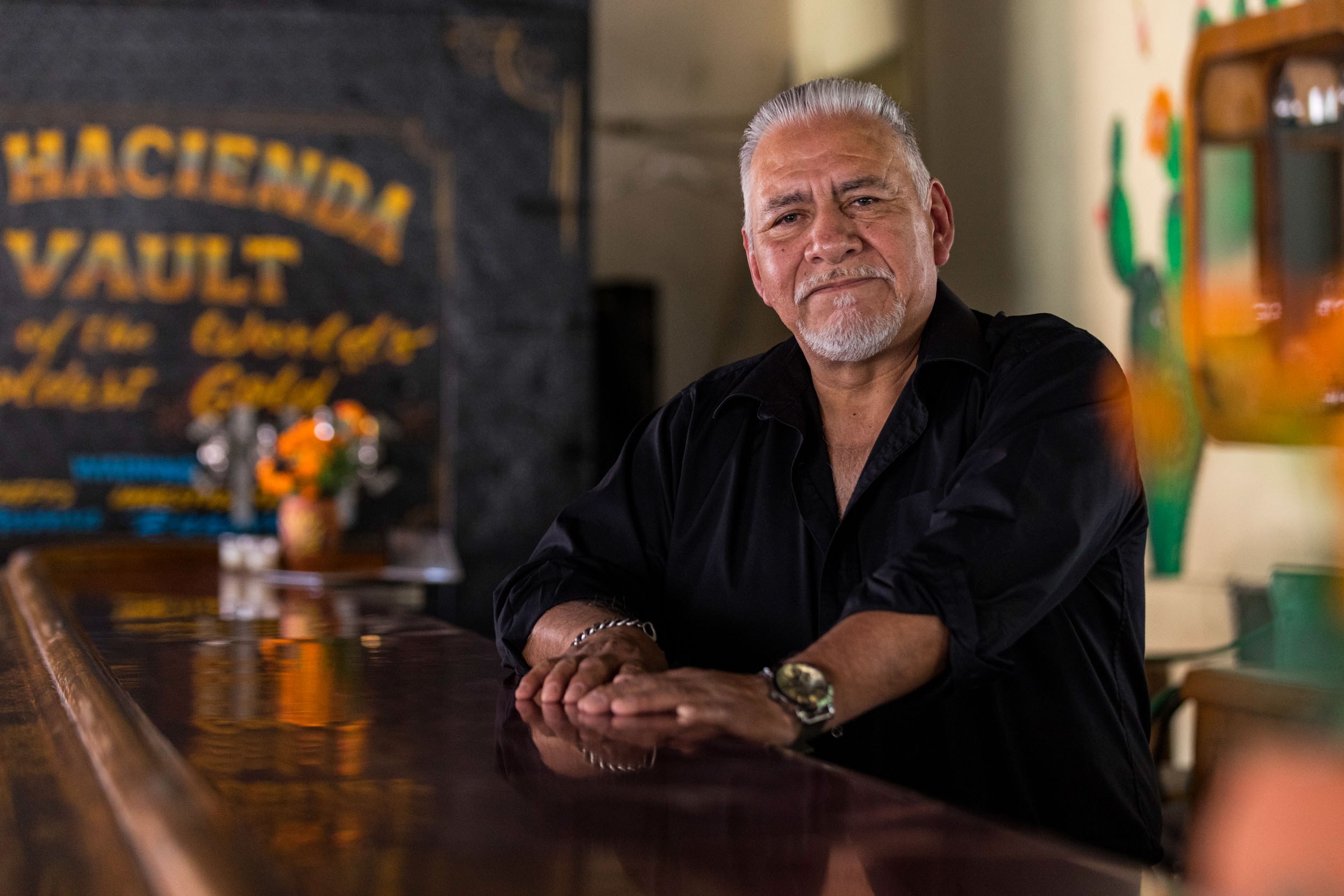
Chef Sergio Reyes behind the bar in the historic La Hacienda.
STEVE JETER
Chef Sergio Reyes remembers what it was like in that kitchen 35 years ago. “It was one of the most successful places in El Paso—always, always full,” he says. “The bar was always full, all of the rooms, the patio. We had events every day. It was one of the best places for authentic Mexican food here in the city.”
As Abara dreams of rehabilitating the old restaurant and preserving its role in the community, Chef makes up the menu of traditional Mexican foods: enchiladas, big enormous flautas, pozole for those that are hungover on Sundays, mole chilaquiles in the morning, beef soup, a jalapeño soup, seafood soup, flan, an eggnog flan cheesecake, and of course, chips, salsa, and tacos. All just a taste of what’s to come.
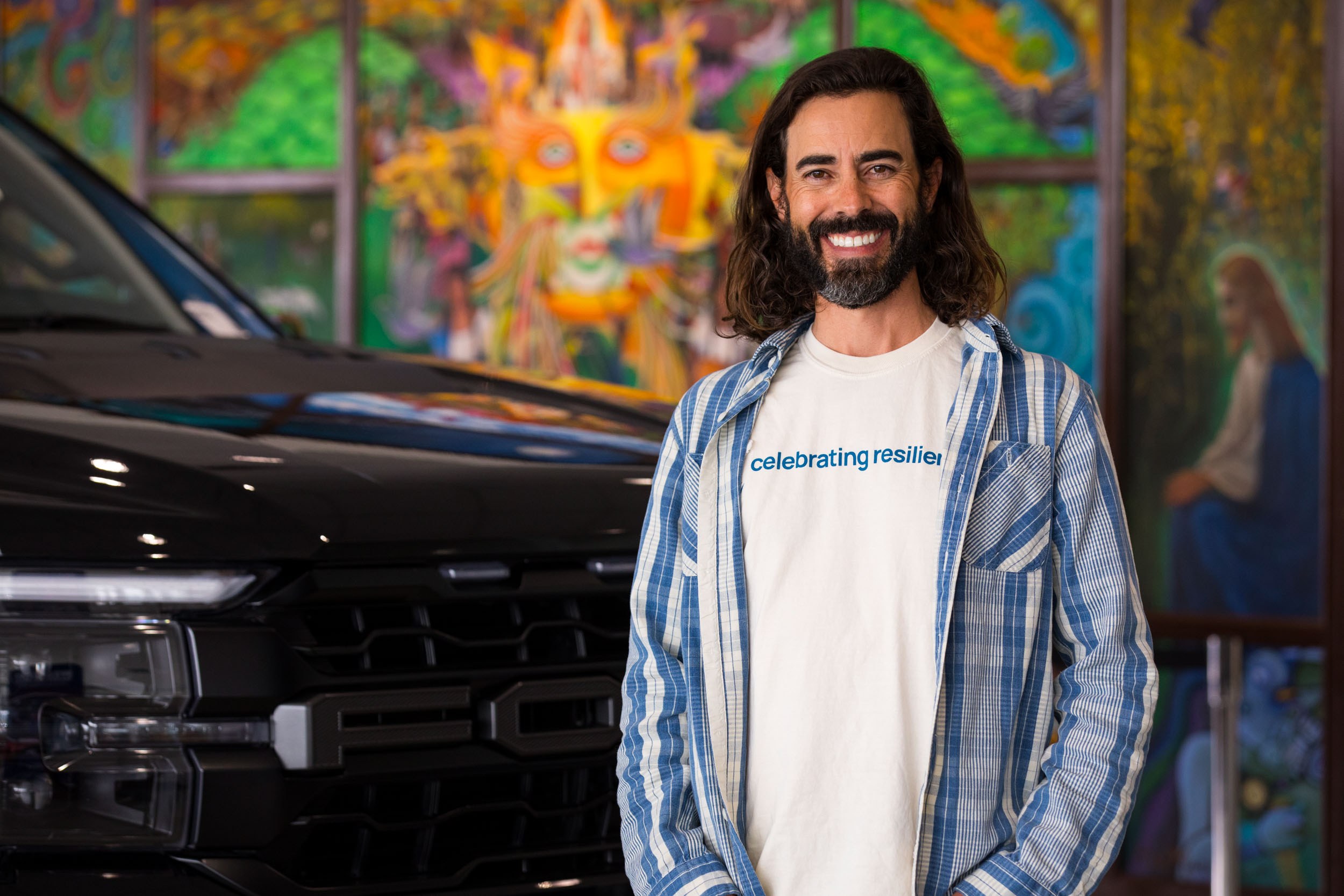
Luke Lowenfield in front of the artwork celebrating immigration and cross-border community inside the Casa Ford dealership.
STEVE JETER
Meanwhile, Luke Lowenfield is working on the capital campaign to make it all possible. Having grown up visiting La Hacienda with his grandparents after church on Sundays, the vision is particularly meaningful to him. “Right now as we're looking at it, we have a $20 million project and about a decade's worth of work,” he says. The first phase is nearly complete, with the campaign just $400,000 shy of its $2 million goal enabling Abara to emerge from property acquisition debt free. Then a new campaign will be launched to support the development of the grounds."
For now, Salvador Jr. and his apprentice Edduar are trying to keep the ceilings from coming down, patching the leaky roof on the Fort Bliss Barracks, and managing all manner of maintenance projects across the Abara campus. “I did the roof over here when Abara first moved in here. Sami said a guy was trying to charge him $5,000—I did it for $1,200,” Sal says proudly. “You should have seen this area. It looked like a ghost town, really. Everybody was afraid this place had gone haunted because the windows were boarded up and all.”
“It's not necessarily coming with an agenda to make people see something about the border or believe a certain thing about the border or even do anything in particular other than just come together and find that solidarity in our humanity,” says Luke.
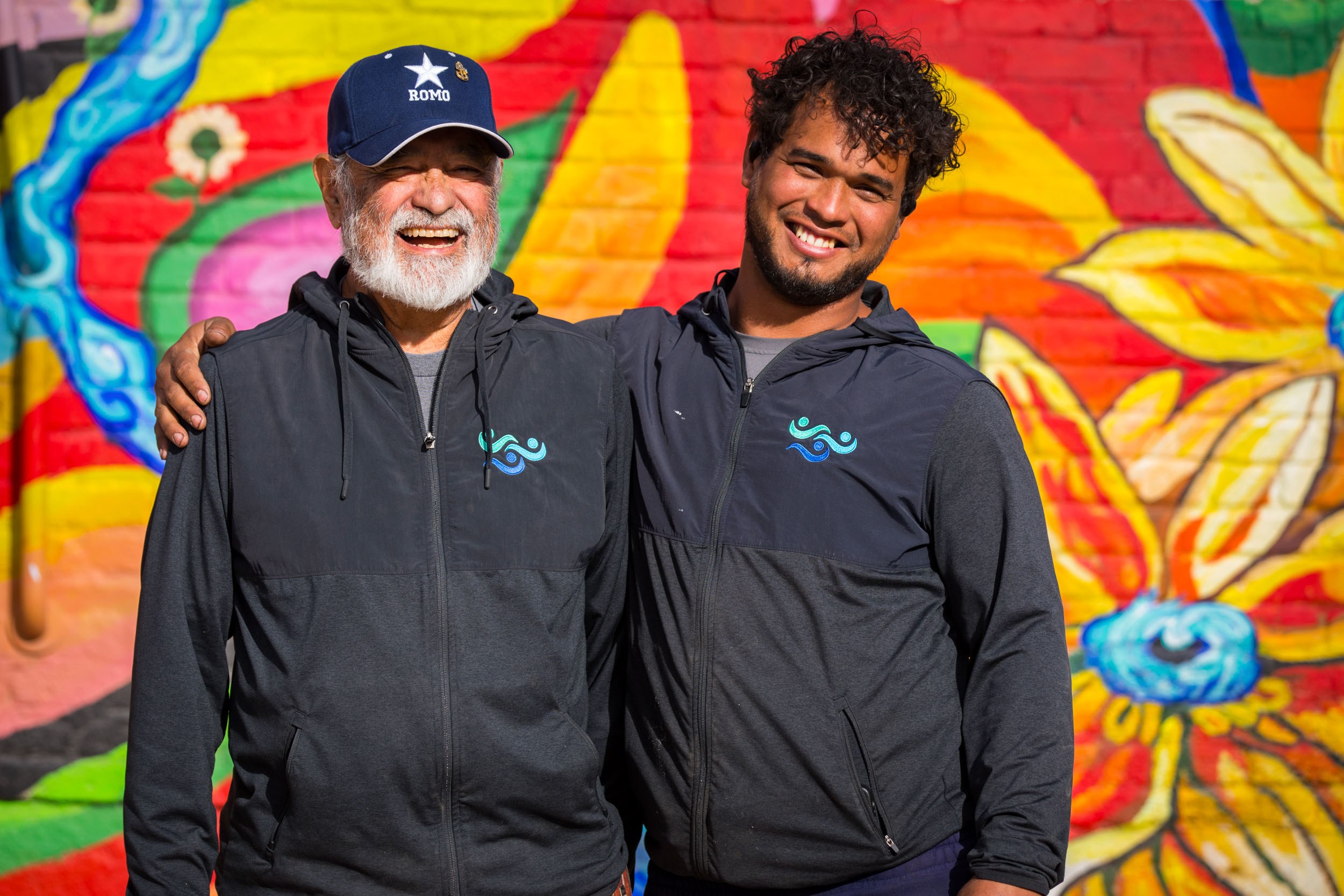
Salvador Sierra Jr. and Edduar Ferrer are caretakers of the Abara campus.
STEVE JETER
America doesn't know how good it's about to get with all of this Mexican American cultural influence because of the faith, the family, the food. There's these things that we get to enjoy here on the border that I'm excited to see spread into the country.
Luke Lowenfield, Capital Campaign Committee, Abara
Bread
Since her deportation from the U.S. a decade ago, Rosa determined to put her pain to good use. More often than not, hers is the first face the weary see when stepping off the train in Ciudad Juárez. These souls don’t step out of coach carrying luggage; they slip from off rooftops and hitches into a freight yard, having held tight for days through blaze and freeze. Most traveled hundreds or thousands of miles—on foot, by bus, or on La Bestia—before arriving wind-battered with nothing more than the clothes on their backs and all the documents they own.
At the height of mass migration in 2023, Rosa says 500 to 700 people were arriving per day on the Línea, a commercial freight train routinely screeching to a stop at 5 pm, just as shops were closing up. Rosa was there to welcome with a hug, a hot meal, clothes, and safe shelter.
“I see it as a humane way to say, Welcome to this city, which is supposedly among the most dangerous cities in the world,” she smiles. “But we were there providing them a hot plate of food.”
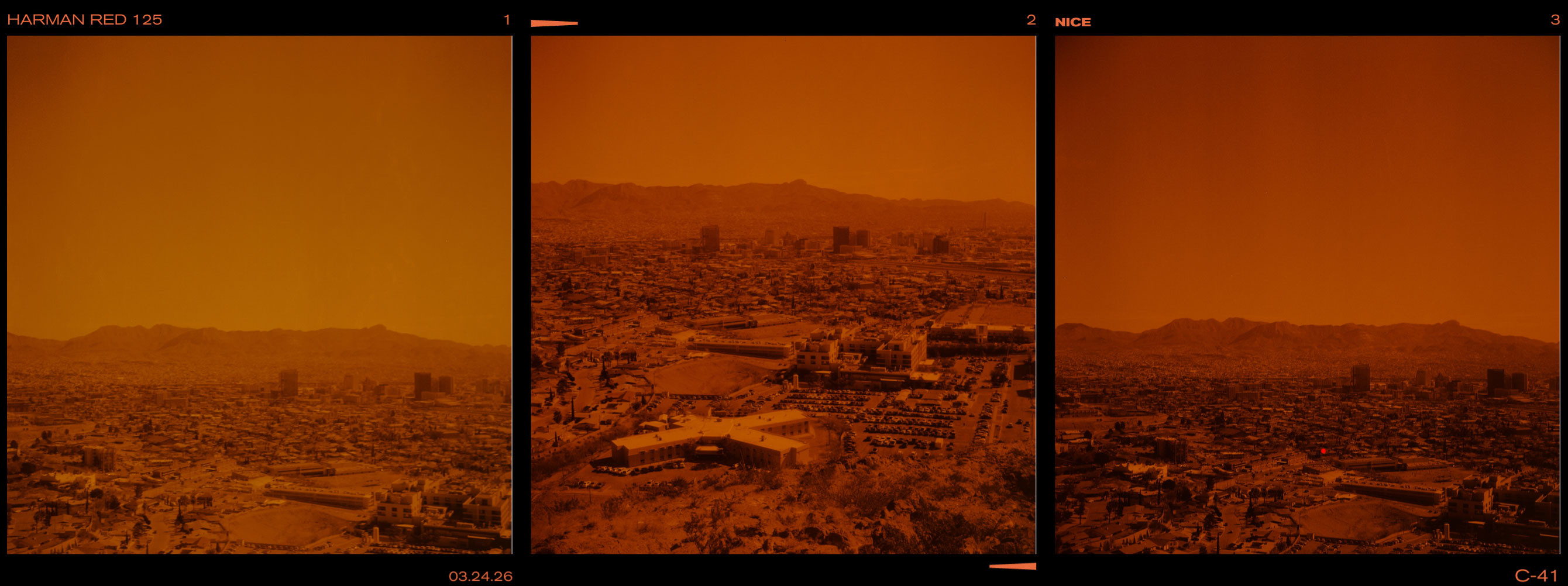
Film strip of the El Paso and Juárez combined metropolitan area, shot on redscale color negative film.
STEVE JETER
People are important. They are not just a number. It's like seeing Jesus, or having Jesus see us.
Rosa Mani, Migrant Services Coordinator, Abara
During the pandemic, Rosa led a project with the UN to care for migrants in the refugee camps. She worked 24/7, serving 220 people each day, many of them with COVID. “I was the crazy lady who lives at the hotel,” she laughs. “But I was living there because that is what would allow me to welcome people in the middle of the night, people who had been deported or who had been kidnapped and released and they needed a place to go.” People came in sick and rather desperate in the wee hours of the morning and it was Rosa who would take them to hospitals. This is how Sami heard of her—the gracious force behind rapid response and deep caring for the most vulnerable people living precariously in transition through global crisis. When Sami later offered her an invitation to work with Abara, “there was a party going on in the heavens because my prayers had been answered,” she all but sings. “I went straight into the office and presented my two weeks notice.”
Jorge “Yorch” Perez met Rosa years ago, when she “was in her situation”—alone and face to face with great need within the shelters of Juárez. He saw her from inside his bakery, sitting at a small streetside table for a very long while. Is she gonna come in…? He wondered.
Yorch and his wife had only recently opened La Panaderia Rezizte selling fresh bread, signature puff pastries, fluffy doughnuts, and conchas in three flavors. Having grown up with a bread-baking grandmother, “we knew there would be extra,” he smiles. “And so we were wondering where we could share that.”
Rosa enters, buys bread, and tells Yorch about the shelters. “That’s how it all started,” he shrugs humbly. Since then, La Panaderia Rezizte has supplied daily bread for many of the local shelters and, more particularly, to the people who are migrating, who are on the move.


Jorge “Yorch” Perez outside of his panaderia and art studio in Juárez (LEFT), and a view of the El Paso and Juárez combined metropolitan area, shot on infrared film (RIGHT).
STEVE JETER
In addition to being an artisanal baker, Yorch is an intrepid artist. He’s created some of the most iconic murals, installations, and statement pieces in and around Juárez—his work featured in exhibits on both sides of the border. Below the border bridge, massive swaths of concrete canal bottom have been converted into an artful canvas by Yorch and his colleagues. Now, seated in his printmaking studio next to a large-format etching press, the smell of fresh-baked everything wafting up from the bakery below, Yorch illuminates the themes of his work—immigration and identity—and the reasons for it.
Yorch grew up in Juárez through the nineties as violence and infamous femicides raged. “Lots of people at the time knew of Juárez as the place where women are being killed,” he says. “I grew up here immersed in violence, and yet we maintain our strength. We have two choices, either to just go with the flow in the situation or to resist by opposing. And that is what my graphics and my murals show—that opposition. We do not remain passive.”
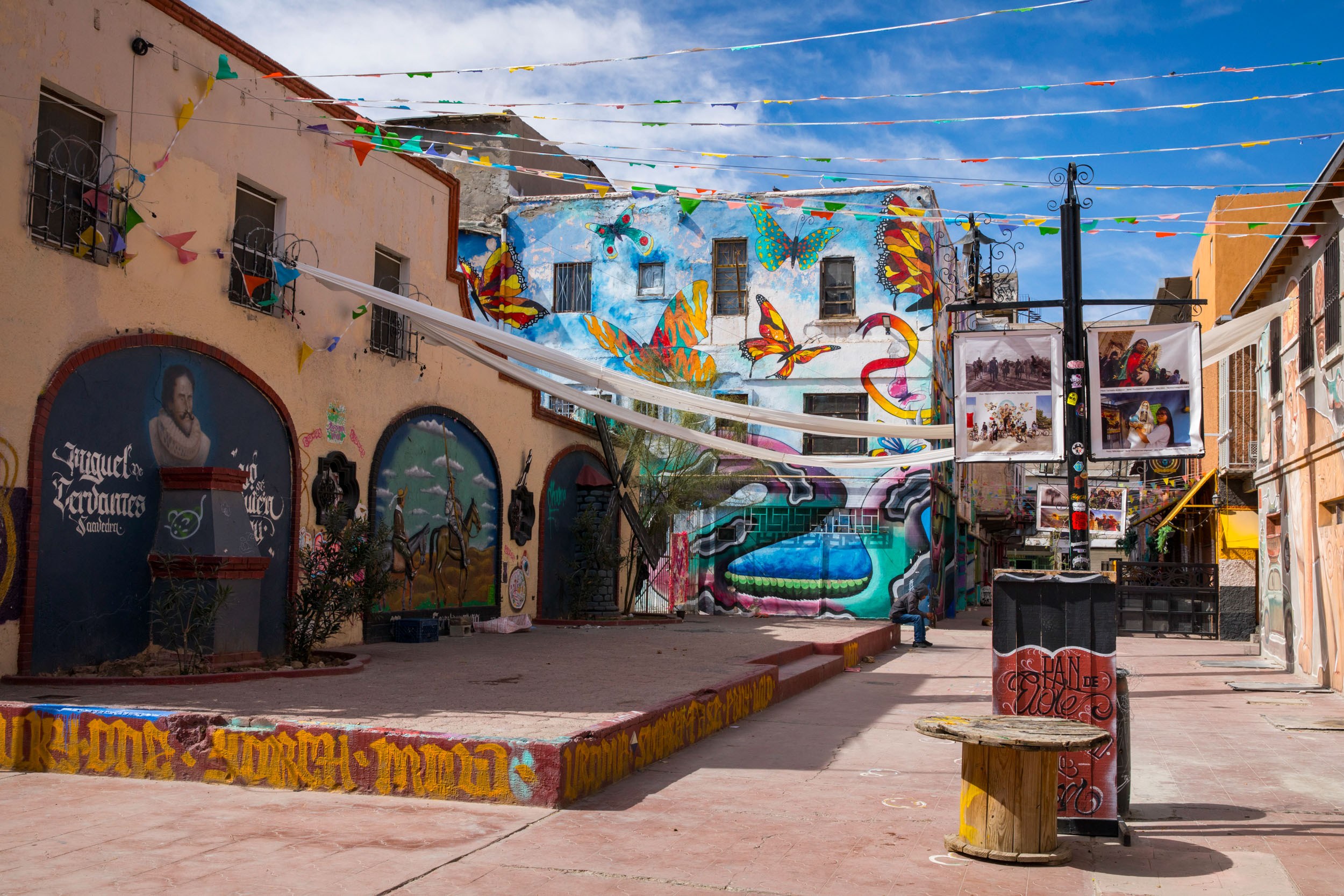
Neighborhood in Juárez that has been transformed by the artwork of Yorch and other local artists.
STEVE JETER
One of Yorch’s most well known works is a Bluebird school bus—the classic model that American children are likely to ride to school. The manufacturing plant for those buses is in Juárez. While the bus might be destined for school children, its first passengers were the laborers working across three shifts to make more Bluebirds. “I also witnessed other uses for these types of buses around the city—sometimes they were converted into restaurants on wheels, or people's homes, or storage, a library, a classroom, a gallery. So really with my art piece, I sought to encapsulate all that this material can be. This was an American artifact with a very specific use, whereas here in Mexico we give it 50 to 60 uses that were not what it was originally designed for. All of these uses of the bus represent the border dynamics.”
Yorch’s sawed-in-half Bluebird can be seen plummeting into and out of the earth in Juárez’s central plaza, a symbol of the interdependence of Juárez - El Paso.
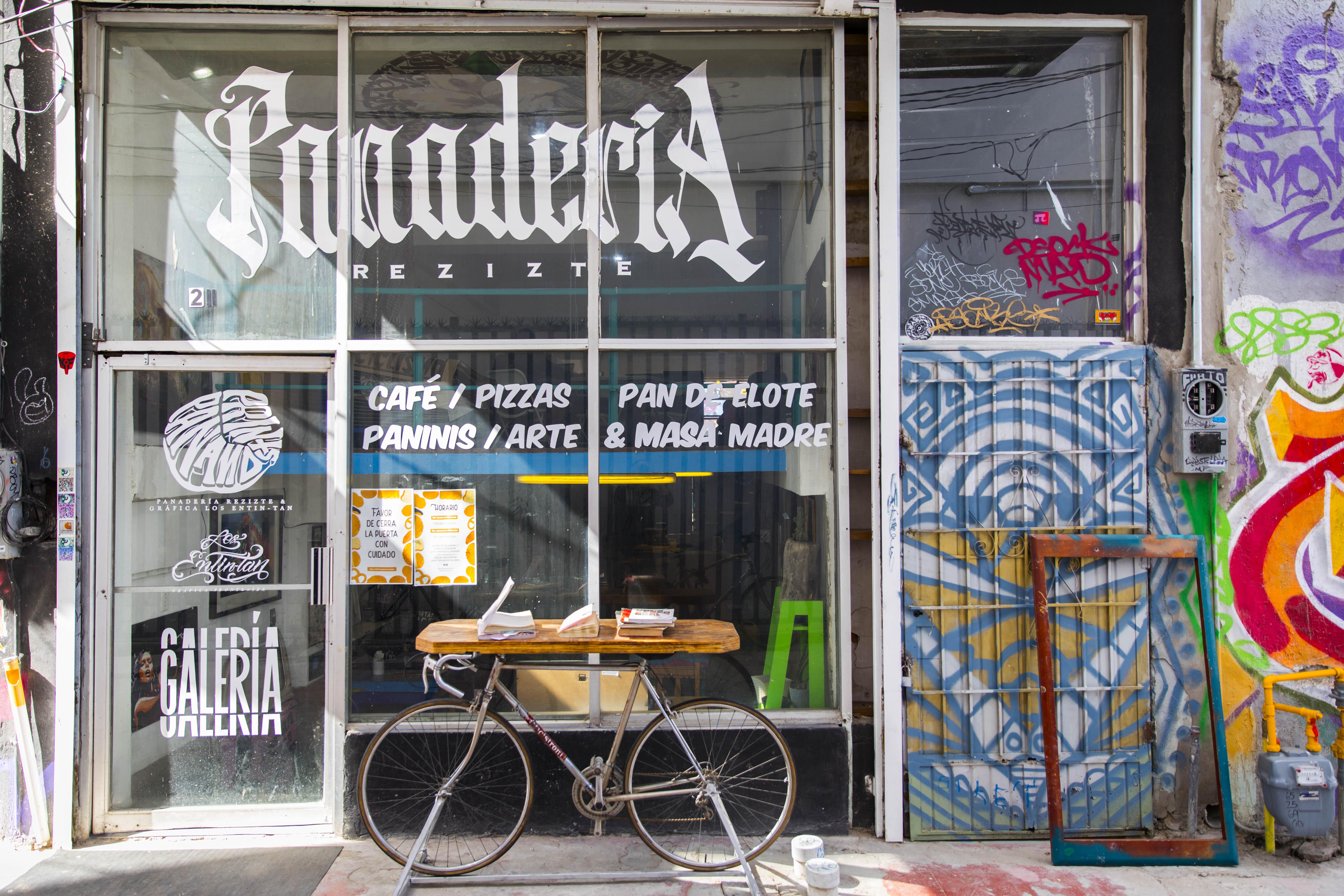
La Panaderia Rezizte in Juárez, Mexico
STEVE JETER
That is a very significant piece of art because it speaks to what divides us, but also what brings us together in this border space. Community is us being together. The border is just politics. Division is just politics.
Jorge “Yorch” Perez, Artist
Undrowned
Like Yorch, David Villalobos remembers vividly the day he met Rosa. She knocked on the door of La Esperanza Centro (The Hope Center), a shelter Abara partners with, and simply said, ‘Hey, I need some help with this.’ David had only arrived in Juárez from Tijuana a couple days prior, just as a deadly fire broke out at one of the detention centers, displacing 200 people now urgently needing provision. Abara mobilized, with Rosa taking the lead. “I was kind of in shock, like, what do I do?” says David. “I remember Rosa turned to me and said, ‘Like this, Son. Here…’ She handed me some tongs and we began distributing doughnuts.” The team organized multiple meals per day, as many days per week as they could muster.
Similarly, when the migrant caravans arrived, the community of Juárez threw open its doors. Churches became soup kitchens and old bars became shelters, especially during the pandemic. “It was a sight to behold,” says Yorch. “Even as a Juárez resident for all my 45 years of life, I had never seen so many migrants come through here.”
“I think God sees each and every one of us as his son or daughter who needs help,” says David. “A lot of people would come here tired from their journey—just exhausted and defeated because they had gone through such horrific things. In coming here it was like they received this big hug from God. Having gone through tons of hardship, here they learn about love.”
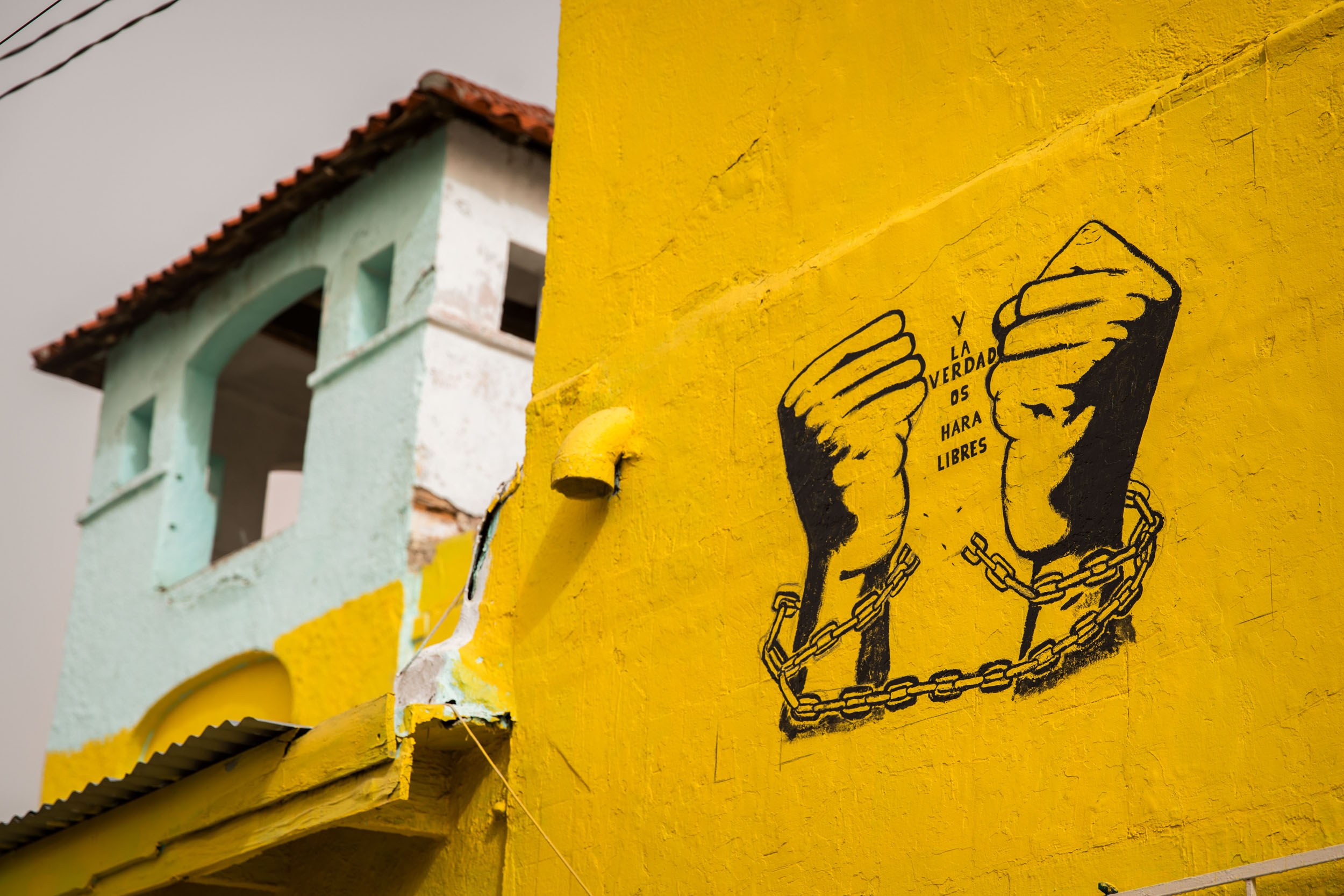
Mural on the exterior of La Esperanza Centro which reads "And the truth will set you free."
STEVE JETER
David was only 17 when his mother slipped from this life after a battle with cancer. Without her, life was bleak. “I was indigent for 17 years, a drug addict for 18,” says David. “But I feel it in my heart that God was preparing me for my work now. When I come across people who are in need, I don't even need to ask them anything. I see it for myself. I can tell, oh, he feels this, he needs this. And I can tell through my own experience.”
David is here as a missionary to help Pastor Hugo care for the people. “We serve migrants who are in movement,” he says. “My passion is working in the soup kitchen and feeding the hungry, the needy, and the unhoused. It's all about being of service without expecting anything in return, and especially sharing from a place of love.”
La Esperanza Centro was one of the shelters that Angelica “Lica” Acosta Garnett visited as she, too, responded to a call to the borderlands and those in movement through Abara. She’d spent half a decade working in immigration law as a story paralegal and seen firsthand how the U.S. system preferences people with money. “If you can't afford a good attorney, the odds are stacked against you,” she says.
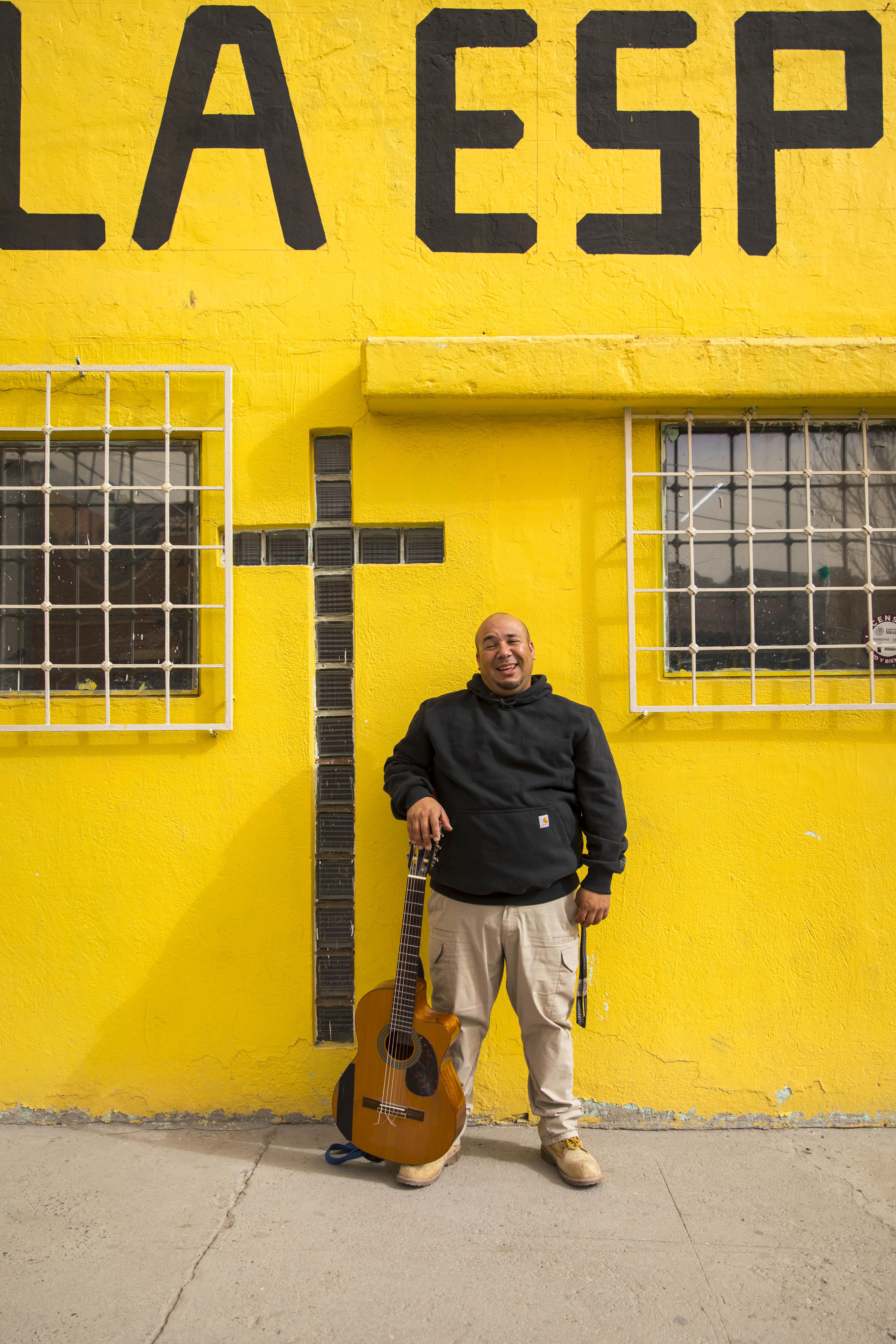
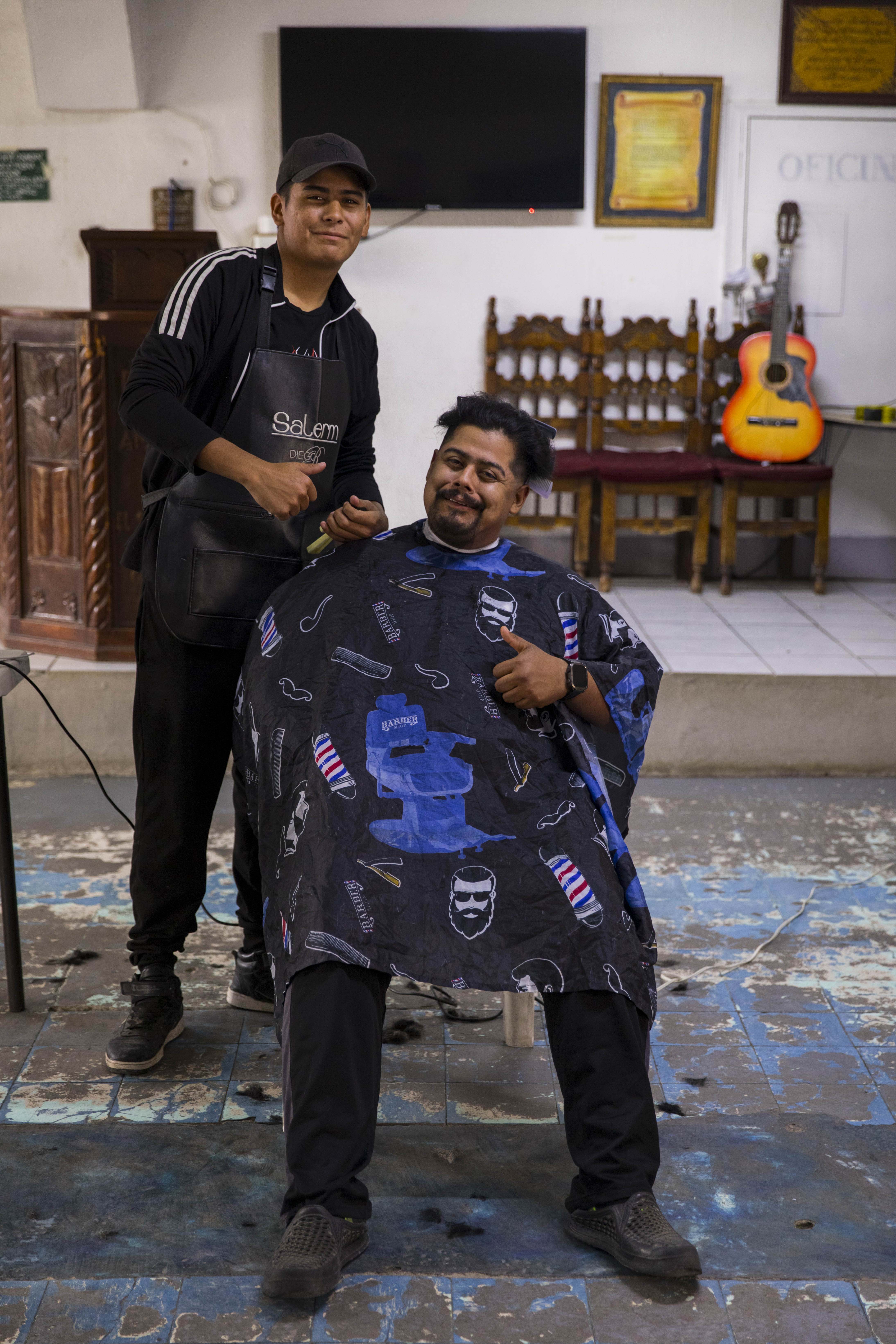
David Villalobos outside of La Esperanza Centro in Juárez (LEFT), a resident gets a haircut inside the center (RIGHT).
STEVE JETER
During the time of the Migrant Protection Protocols, she noticed more and more people seeking asylum were getting stuck in Mexico without access to legal counsel, because why would immigration attorneys from the U.S. practice in Mexico? “I met a ton of people,” she says, “and I could see that there was a significant change to the asylum process occurring before my eyes. It was all of a sudden an evident, in-my-face block to due process, to legal proceedings, and I felt this is insane. It really rattled me.”
Months later, in prayer on her couch in her home in Charlotte, North Carolina, Lica sensed another call: Tell people’s stories. “I didn't understand what that meant,” she laughs. But eventually she discerned that the invitation was to sit with people who were trying to enter the United States, help them process their story, and make it into a legal narrative.
“So, here I am, a middle-aged woman, not working for anyone, not associated with anyone. What am I gonna do, just parade myself into a shelter saying, ‘Free stories!’?” She laughs remembering how comical it all seemed. An old friend of Sami’s, she reached out to him for wisdom and a gutcheck. Soon, the Asylum Narrative Project became a part of Abara’s work in the borderlands.
“So, I got on the plane. I went to El Paso and then to Juárez to our very first shelter,” says Lica. “I stood in front of people and I explained, ‘Look, when you are filing for asylum, whether you're in court or you submit an application to the government, the process requires something called a personal statement. Most attorneys are just gonna submit a few little sentences on the application, but I would love for you to have a chance to actually share your story, because I don't think you just randomly decided to chase the American dream. There were reasons why you came and I think it's important for you to have the chance to speak into that, to speak into how your story is told. This is your story for you. I'm just kind of like your ghostwriter…”
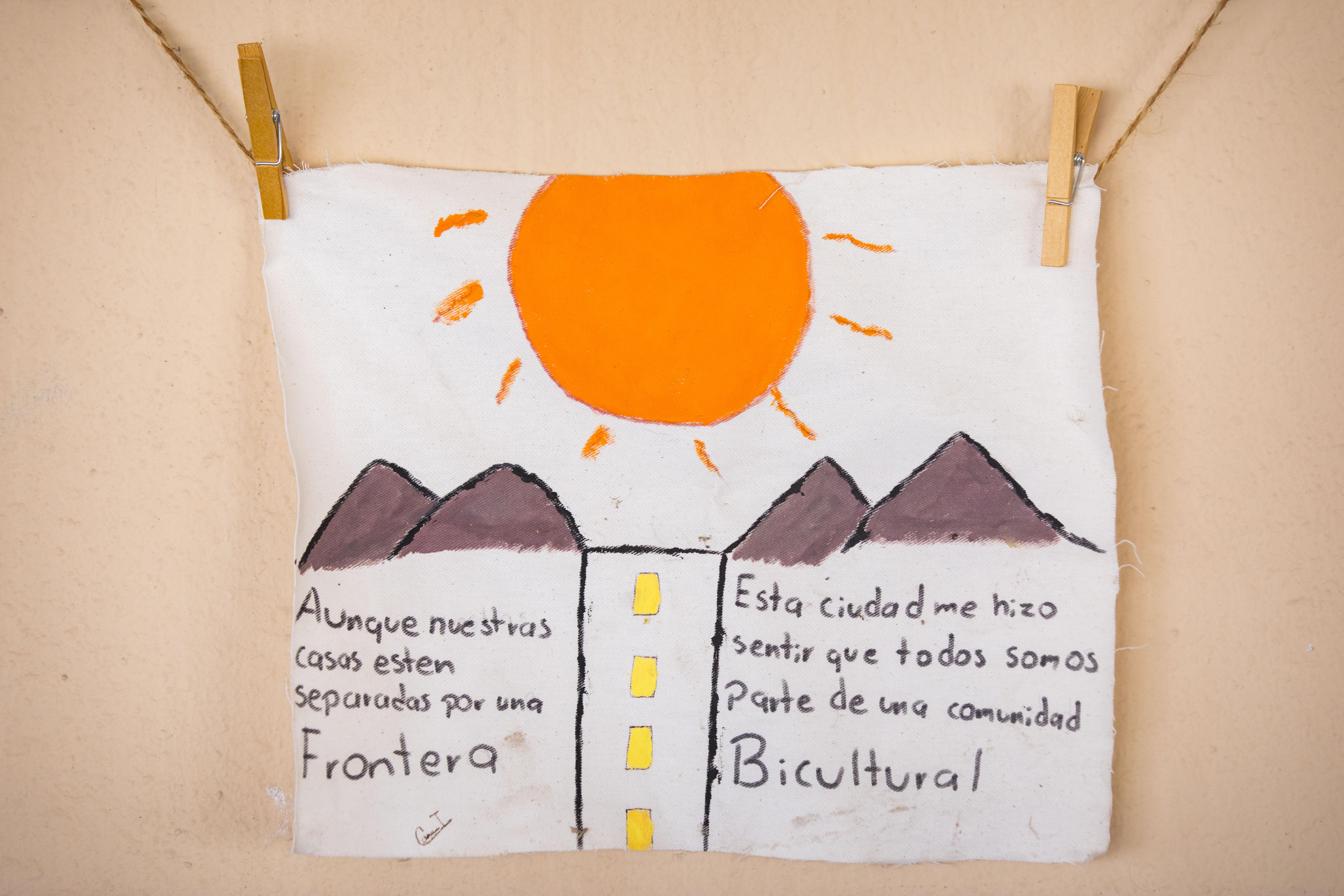
Student artwork at the Abara compound which reads: "Even though our homes are separated by a border, this city made me feel that we are all part of a bicultural community."
STEVE JETER
A moment passes as everyone considers what they’ve just been offered. Lica stands still at the front of the room, nervous and thinking, man, this is about to flounder…
“Next thing I know, there's 40 people waiting to talk to me. 40. And literally, I go, oh shit. Like, I can’t interview 40 people,” she says, still incredulous. “Basically everybody that was in that shelter at that time stood and lined up.”
That’s how it started and where the painful learning began. Like the line out the door, the questions quickly stacked: How do you do this? Do you record them? Who will transcribe it all? And people are on the move, so how do you get their stories to them if you lose them? So much learning.
“But to this day, my favorite thing about the project was getting to sit across from people and ask them to tell me about their story,” Lica says. She’d ask questions like: If I lived your life, what are some of the things that you would want me to know? What about your birthday celebrations? What was your Christmas like? What were some of your favorite moments? Tell me about your home.
“It was really beautiful to see people coming alive,” she says. “Abara talks a lot about the practice of affirming dignity: When you go into any space, expect to be challenged, and expect to learn from anybody. So, every time I walked into these interviews, I was expecting to learn. Whether I was expecting to learn what they grow in the mountains of Guatemala or how this particular group of people celebrate Christmas in Honduras, I needed to leave every single interview like I was a new version of myself. Like I had truly learned from the person in front of me.”
There was a lot of laughing, there was a lot of crying, there was a lot of, oh my gosh, I can't believe you survived that. “I was not being a therapist—that's not my area of expertise—but I have survived enough therapy to know, I see what we're doing. You're feeling heard,” she says.
Given even this small shred of emotional space, many moms would just sit and cry their eyes out. They’d say, “I don't have the space to cry. I don't want to cry in front of my kids and I'm not gonna cry in front of all the other ladies at the shelter…”
Overwhelmingly, when people described the experience, they used the same word over and over: they said they had undrowned. The root verb in Spanish is desahogar, Lica explains, which literally means ‘to un‑drown’—to let the water out of the lungs. “It was very interesting how, in the end, they didn't even care about the outcome,” she says with a smile and a sigh. “The bigger gift was just that opportunity to sit with someone who had nothing to gain—who would be willing to sit and bear witness to them, to their story.”
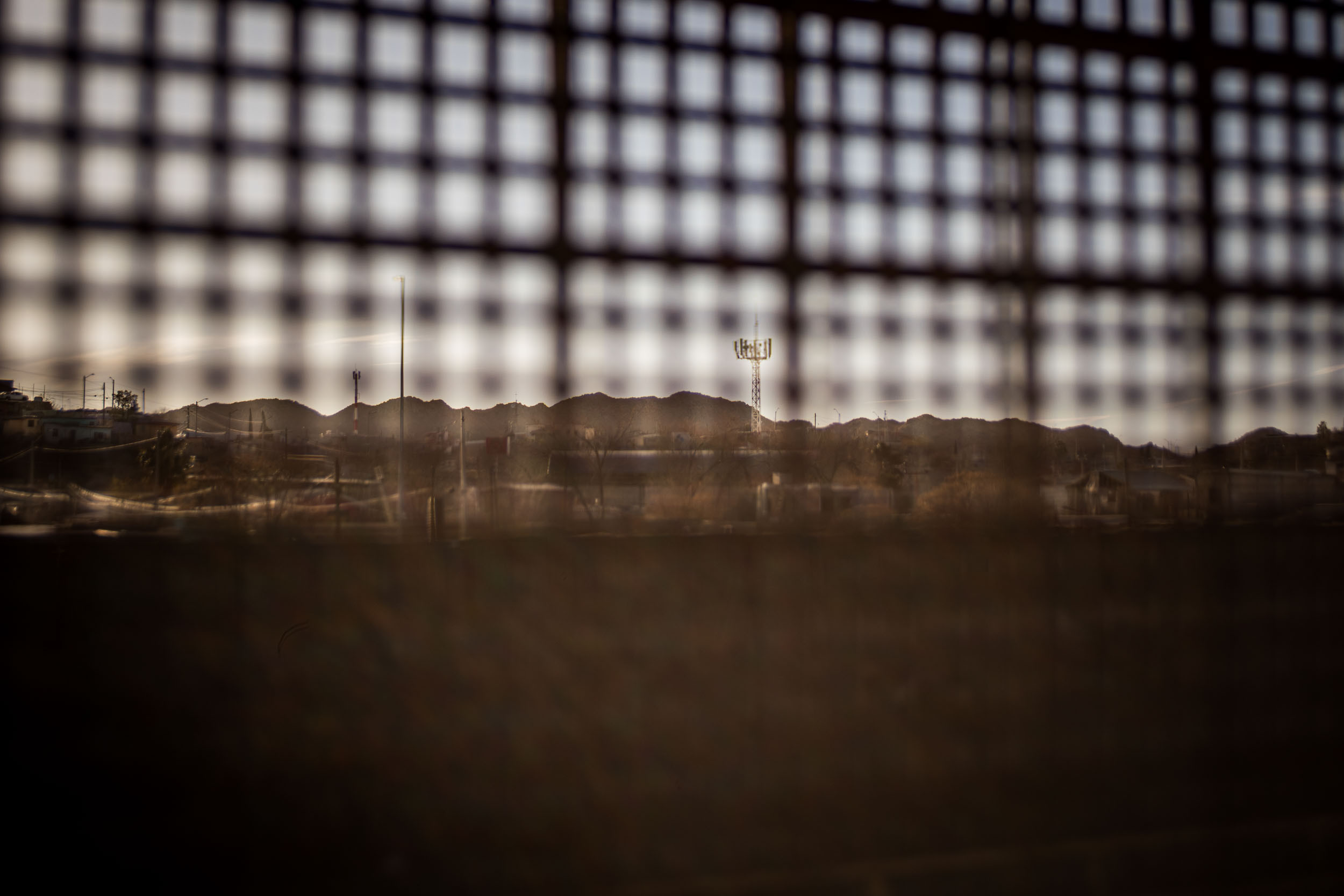
Juárez photographed through the border fence.
STEVE JETER
You have to be so very gentle and so very careful, but I also want people to have a chance to fight for themselves.
Lica Acosta Garnett, Asylum Narrative Project Lead, Abara
Encounter
“Are there too many immigrants in the United States right now?” asks Sami. “Some feel that way for sure, and many economists and macro-level thinkers say we actually need more.”
Economists will tell you the same thing the border already knows: Immigrants are not a drain, they are an engine. In a country where small businesses employ nearly half the nation’s workers, more than one in five of those business owners is an immigrant and roughly one in four new entrepreneurs is foreign‑born. And at the top end, about 46 percent of Fortune 500 companies are founded by first- or second‑generation immigrants.
From the National Academies of Sciences to the Congressional Budget Office, economists have warned that with Boomers retiring, population declining, and the national debt mounting, immigrants are among the nation’s most realistic hopes for continued economic growth.
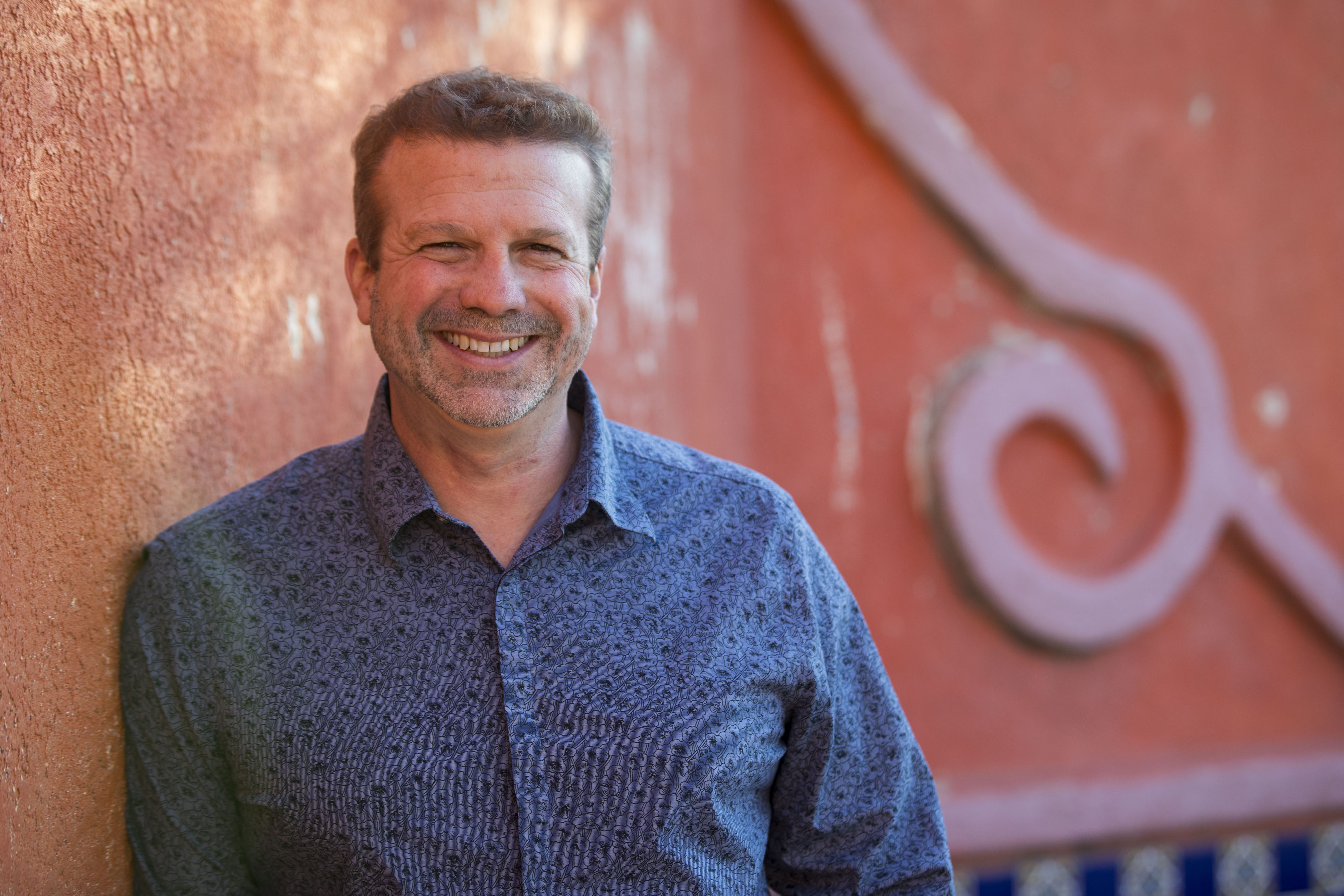
Sami DiPasquale, founder and executive director of Abara, photographed in the patio space of La Hacienda
STEVE JETER
We might wonder, then, how immigrants came to be so casually insulted and brutally politicized in recent elections. Like Sami, I am a descendent of immigrants and a friend to many refugee families, and I find myself wrestling with the arguments against wanting more Rosas, Sals, Alejandras, Blancas, and Licas—hard-working, hope-determined, family-centric humans to come to the U.S. to make a life and build a country as they do. I think we are better for the DiPasquales’ multigenerational shoe repair business in Buffalo, New York. I think we are better for my grandfather’s work as a surgeon and my ancestors’ contributions to the slate quarries of Maine. Home of the brave, we say. It seems odd to profit from the global exchange of products yet reject the people who make them, as if their contributions weren’t sorely needed.
But it’s easy to fear what we don’t understand, and the disparaging narratives are powerful and plentiful: They are coming in, bringing drugs, taking jobs, and they're dangerous.
Dangerous. The data, yet again, tells a different story. “I would challenge any reader to look up that data in whatever city you're in—look at the increase in the percentage of immigrants in your community and the crime data in that community and see what you find,” says Sami. “Because everything I've seen shows that as an immigrant community percentage increases, crime decreases. And El Paso might be an incredible example of that—we are usually in the top three safest large cities in the United States.”
“Why don’t they just come in legally?” inquiring minds want to know. Well, the U.S. has not made significant updates to its underlying immigration laws in over 40 years. At this point, there simply isn’t a realistic legal pathway for most people aside from lottery luck and multi-year purgatory.
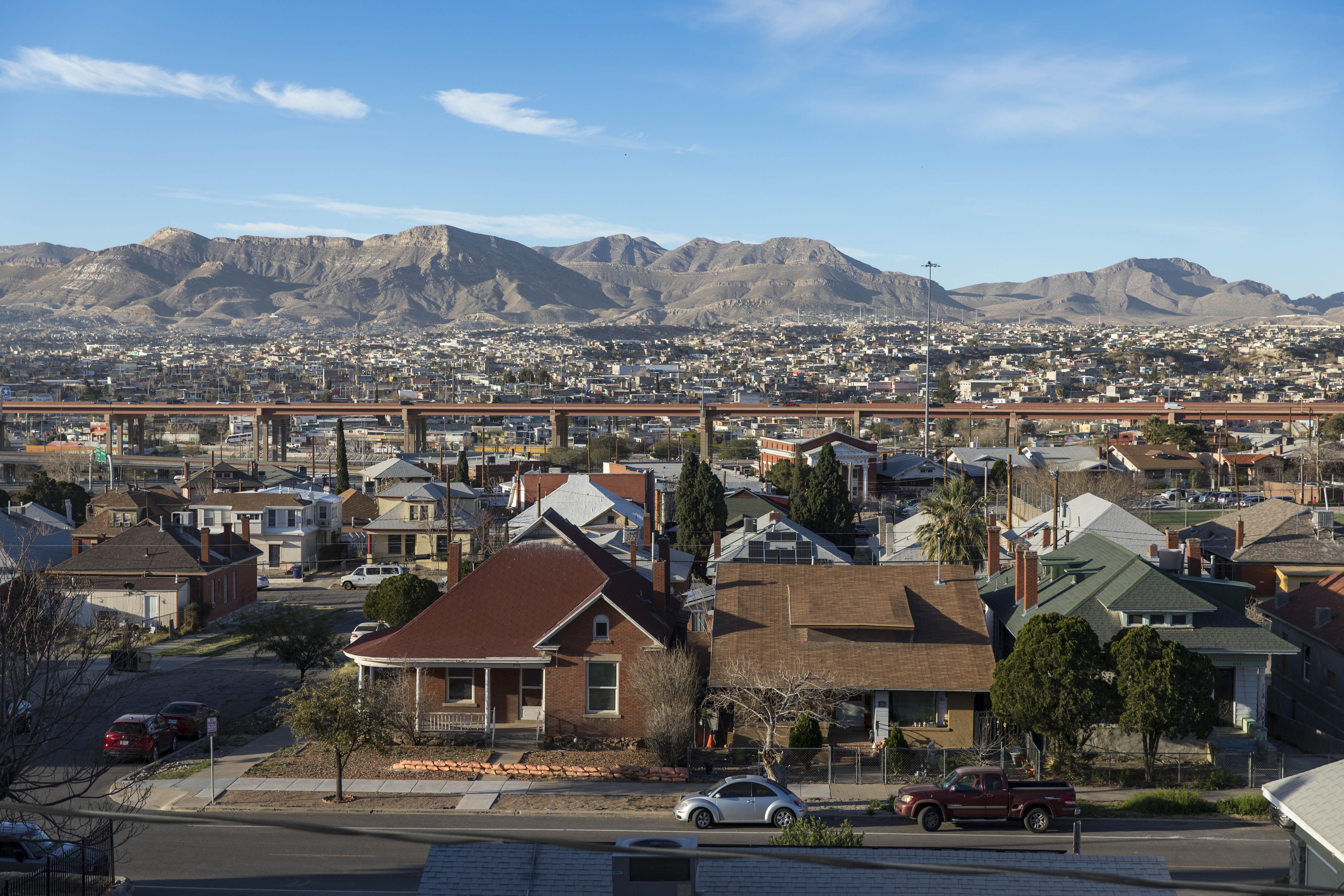
Sunset Heights neighborhood in El Paso with Juárez in the background.
STEVE JETER
“When you're going through the immigration process you are at the mercy of the system,” says Lica. “You're at the mercy of attorneys. You're at the mercy of people that treat you like an idiot, even though you're not an idiot. They make you feel stupid, they make you feel a lot of shame, they make you feel guilty. And those are all feelings that I felt in my own skin, through my own process. I wasn't born here. I moved to the U.S. when I was 18. That experience of being asked really uncomfortable, unthoughtful, hurtful questions is something I still carry with me.”
And so I ask: Why not champion efficiency and humanity instead of blanket rejection and closure? Why not break with the scarcity mindset in light of the data? People don’t walk hundreds of miles and endure hunger, abuse, and vulnerability seeking to do harm—to believe that narrative is to dismiss their real motivations and distrust their stories. “To associate immigrants with violence or crime or the mafia or cartels—when this is precisely what they were escaping—is a way of bearing false witness against our neighbors,” says Sami. “And I think that's a huge danger for the church in the United States that we should really look at.”
We all have that notion of ‘they, over there’—who's outside the bounds of who we care about. But proximity is an antidote to fear.
Sami DiPasquale, Founder, Abara
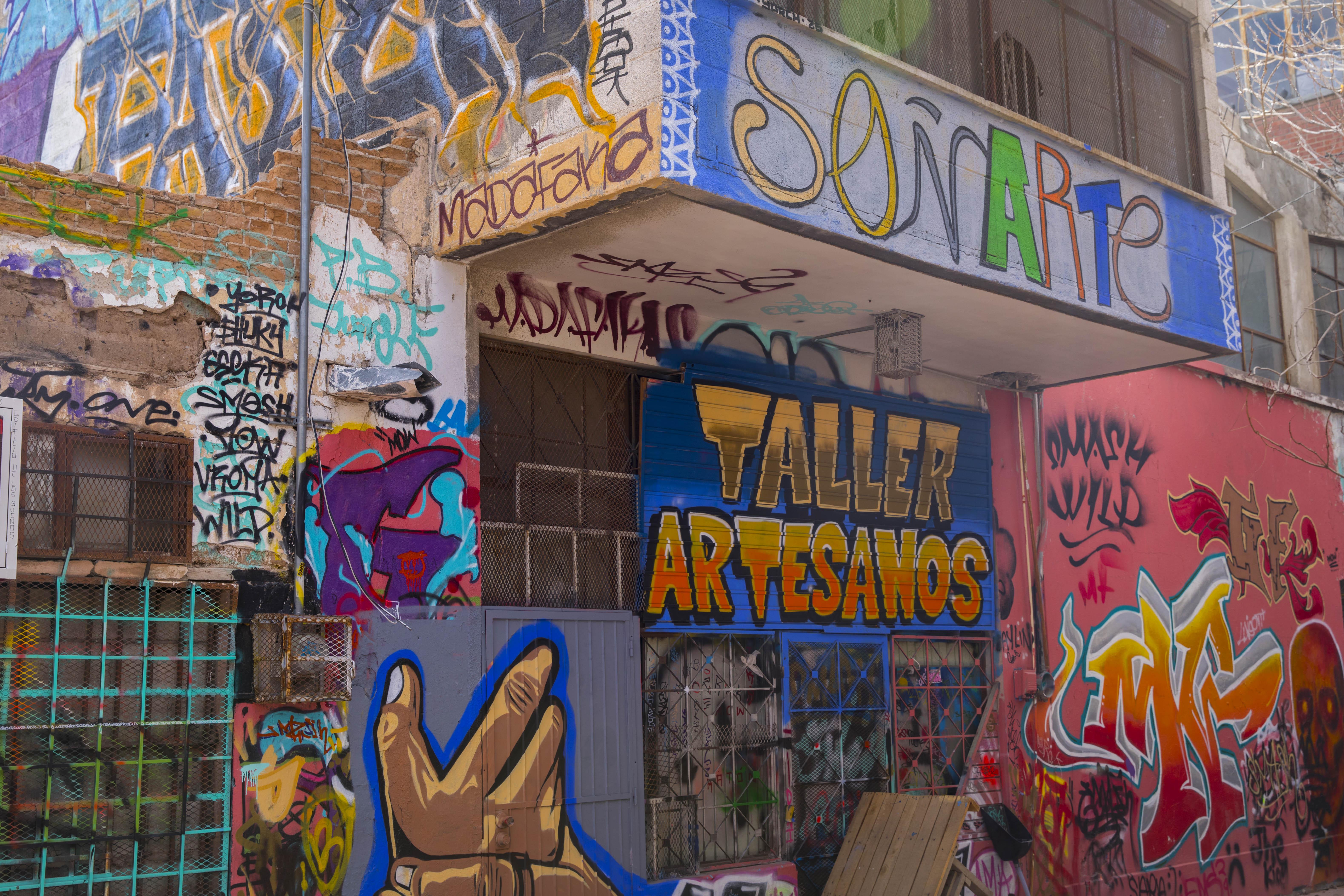
Street art in Juárez, Mexico
STEVE JETER
All of this to say, if you find yourself curious or even tempted to fear your neighbor or distrust those seeking refuge in a land of opportunity, you are invited to the borderlands. You are welcome. You will be embraced by Abara and introduced to friendships through the fence. Your questions will be received with appreciation, and your appetite for authenticity will be well met. This kind of experience is signature to Abara, what they call ‘Border Encounters.’
“Over in Juárez, our sister city, you run into a young couple or a mother nursing her baby and all of a sudden the humanity breaks through and you're not afraid,” says Sami. “You're not afraid of this person, then maybe you’re not afraid of the next person. I mean, we all become fearful of something, but I think it's more like what do we do in the face of that fear and how do we approach it? Maybe my faith or some other conviction is leading me to try to get past that— maybe even to love them.”
“I think that's the invitation for America and the world going forward to have those conversations openly and to engage with one another instead of letting fear divide us or push us further apart,” says Luke. “For the asylum seekers and refugee seekers, they've been on a thousand plus mile journey by foot. It has cost them things that I have no idea about. They've left circumstances that I can't imagine... and yet they show up and have—still have—this spirit of resilience, this willingness to go on and to not be broken."
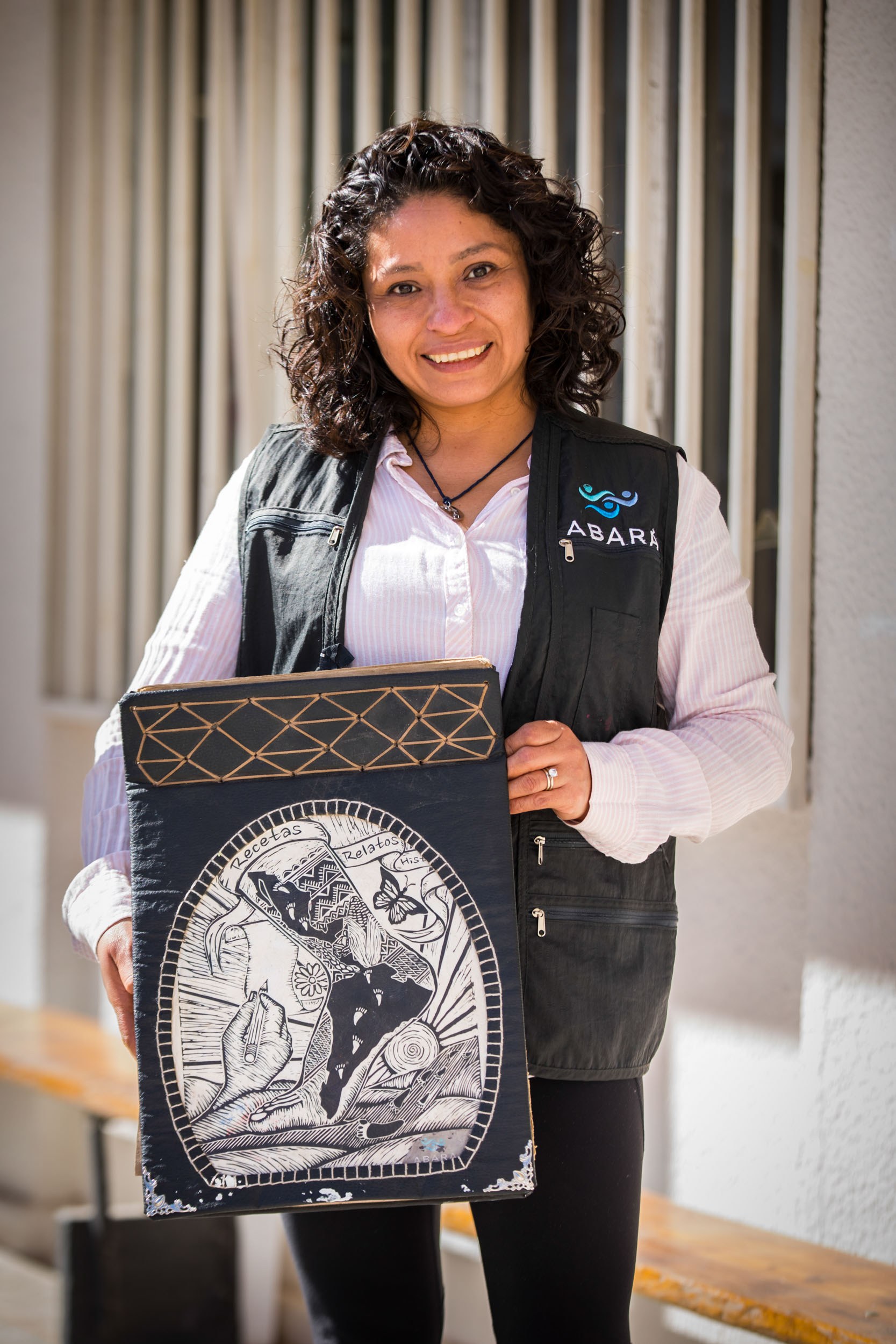
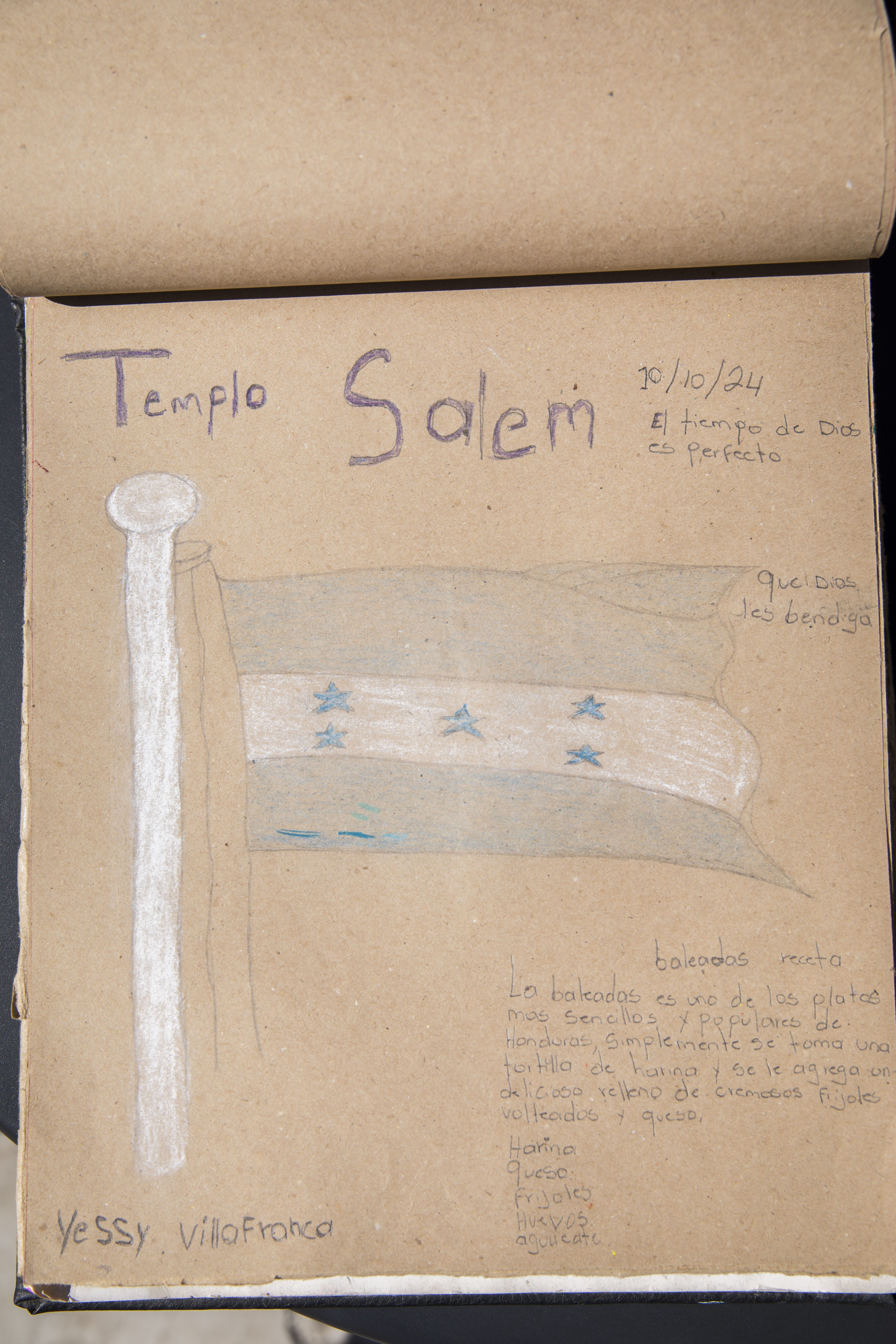
Rosa with her blank slate book (LEFT), a recipe for Honduran Baleadas from the book, contributed by an immigrant from Honduras (RIGHT).
STEVE JETER
And when you go to Juárez and meet Rosa, you’ll need to ask her about her blank slate. The blank slate is actually a book with blank pages, sitting poised on the table between us like a precious artifact from a museum. Tears swell as she explains it. “I can tell when I look into people’s eyes they have something to share, something to tell. They want to share about the smells, the colors of their home countries, the dogs that they left behind in their villages or in their towns…” Recipes, funny memories, gratitudes, goodbyes, drawings, songs from their home country, it’s all in there. “It goes beyond a response to some specific need. It represents our strength as Latinos in this journey,” she says. “Really it’s an art piece.”
“Abara allows for your dreams to develop and helps you to find joy in the tragedy,” she says. “That's really how our slogan came to be: Border Joy. That's what it's all about—that we can find joy in suffering.”
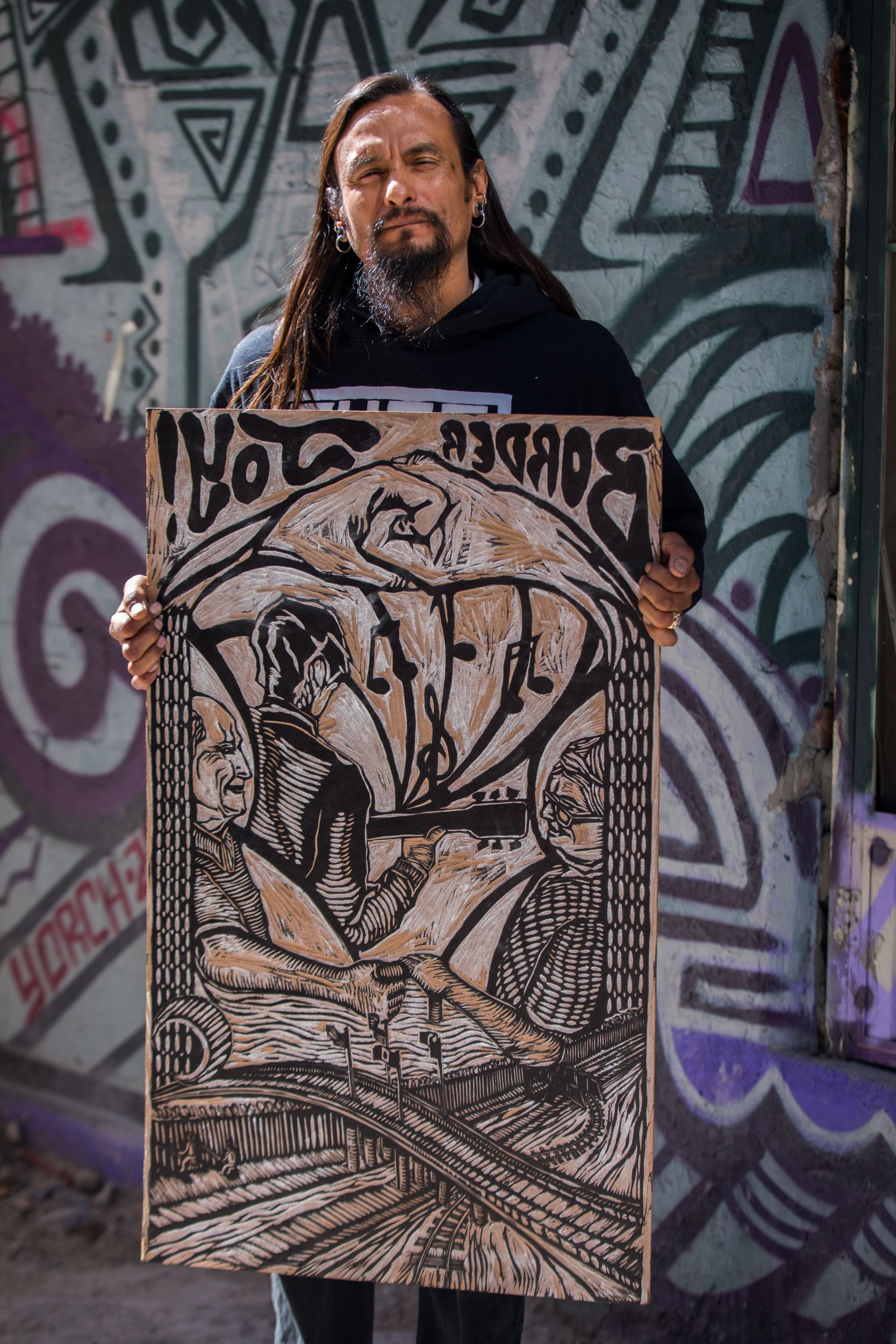
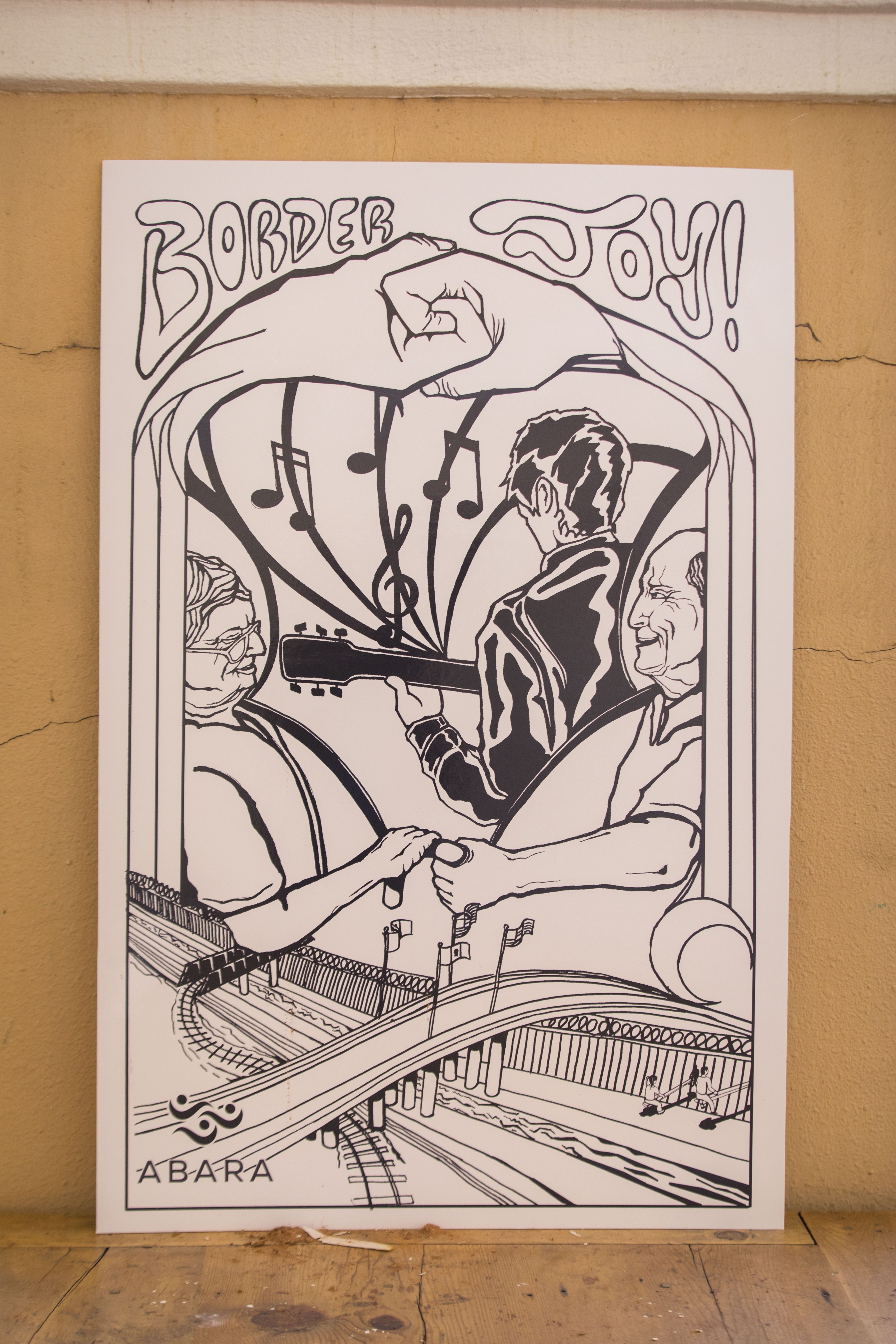
Yorch with his "Border Joy" print block (LEFT), and the finished print (RIGHT).
STEVE JETER
Mercifully, Yorch sold me an original Border Joy print, which now hangs framed in my living room—a token, a reminder, a prayer, a call. “What I intend to do is to showcase the good on both sides of the border. And I think that that is precisely what connected me to Abara,” says Yorch.
“My parents instilled in me a sense of needing to be of service to society. It doesn't matter the color of our skin, we are all the same. The important thing is to be of service to others, to bring utility to our country,” says Roberto.
I just want to say thank you and for you to know that this is your house. If you ever need anything, as we all do, I want you to know that this is a house that you can visit.
Roberto Martinez Olivarez, Friend and Neighbor, Abara